Anatomy of a Successful IPO: Lessons from the Past
5 March 2026
Let’s cut right to the chase. You’ve probably heard about IPOs—Initial Public Offerings—and how they’ve turned average investors into millionaires overnight. But for every success story out there, there’s a cautionary tale waiting in the wings. So, what separates the rockstar IPOs from the flops? What’s the secret sauce, and how can we learn from the past to spot the next big thing?
In this deep dive, we’re breaking down the anatomy of a successful IPO. We’ll look at real-world examples, extract the juicy lessons, and figure out what makes a company’s stock market debut actually work. Whether you're an investor, a startup founder, or just curious—grab your favorite drink, and let’s decode the IPO playbook.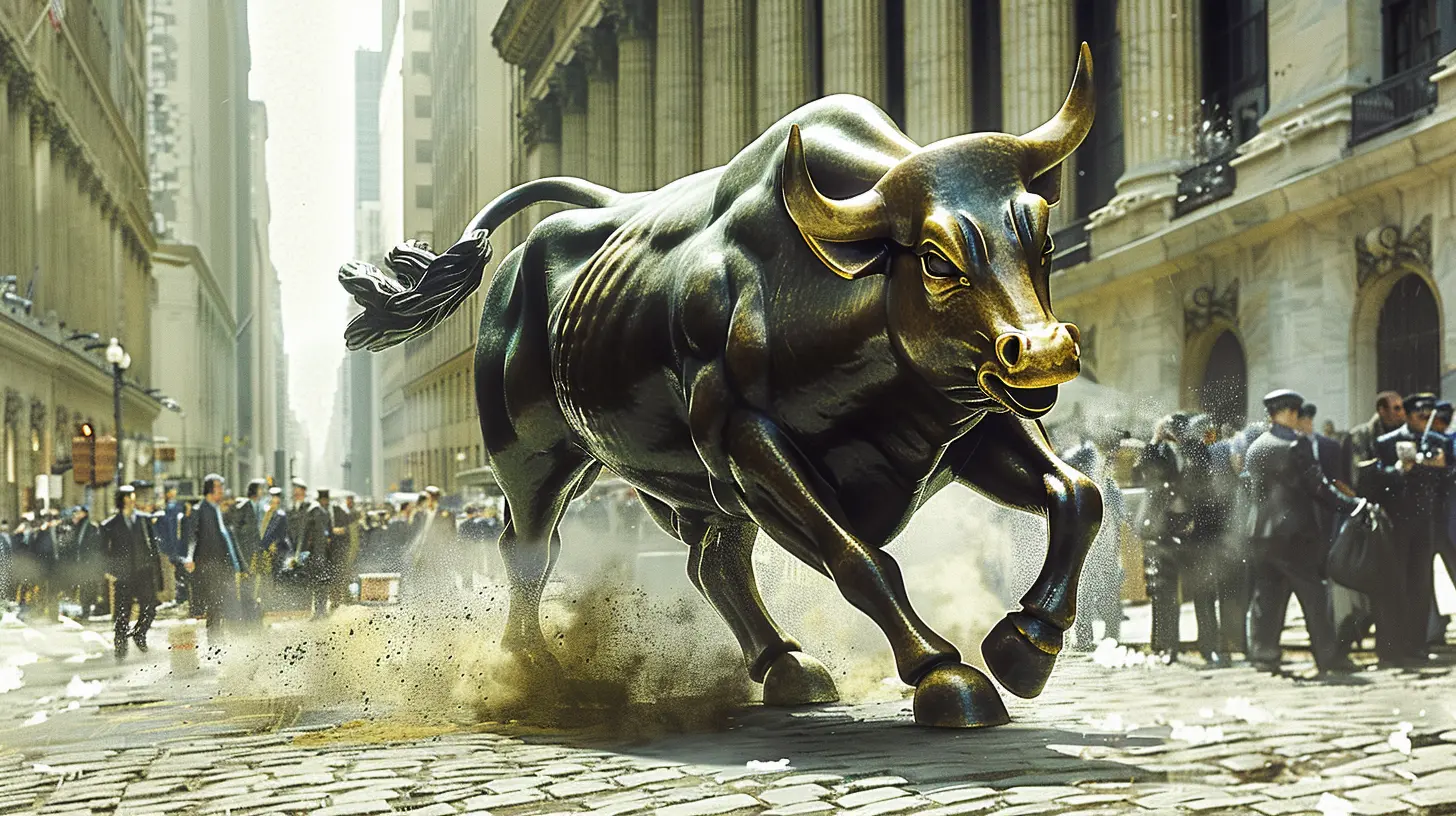
What Is an IPO, Really?
Alright, before we jump into the deep end, let’s start with some basics.An IPO—short for Initial Public Offering—is what happens when a private company decides to go public by selling shares to the general public for the first time. It’s like a coming-of-age party for businesses. After all the private hustle, they finally step onto Wall Street’s big stage.
But going public isn’t just a financial event—it’s a full-blown transformation. It means more scrutiny, new investors, transparency, and a whole lot more pressure. So, yeah, it’s kind of a big deal.
The Key Ingredients of a Killer IPO
Success doesn’t happen by accident, and IPOs are no exception. Let’s break down the must-haves that make an IPO soar instead of stumble.1. A Powerful Brand Story
Ever notice how the world seems to buzz when certain companies announce their IPOs? That’s no coincidence. Companies like Tesla, Airbnb, and Facebook didn’t just sell shares—they sold stories.Let’s be honest—investors are humans, not robots. They fall for compelling visions and bold missions.
Lesson: A company with a strong “why” and a clear mission tends to attract more investor love. People want to believe in something bigger than just balance sheets.
2. Solid Financials (a.k.a Show Me the Money)
You can’t just charm your way through Wall Street. At some point, the numbers have to add up. Investors dig into revenue, profit margins, costs, and burn rates. If the math is fuzzy, confidence takes a nosedive.Take Google’s IPO in 2004—the company had solid revenue growth, a profitable business model, and strong future projections. Investors were lining up like it was Black Friday.
Lesson: Companies need real financial strength, not just potential. No one wants to throw money into a black hole.
3. Perfect Timing
Timing isn’t everything—but in IPOs, it’s pretty dang close.The market climate during an IPO debut can make or break it. Zoom went public in 2019, right before a pandemic-led remote work boom. Talk about being in the right place at the right time.
On the flip side, WeWork tried to go public during turbulent times and well... we all know how that ended.
Lesson: You can have a great product and still flop if the timing’s off. It’s like trying to sell umbrellas on a sunny day.
4. Trusted Leadership
Investors don’t just invest in businesses—they invest in people. The founding team and leadership must scream “We got this!”Would you give your money to someone with no vision or plan? Neither would Wall Street.
Take Jeff Bezos, Elon Musk, or Brian Chesky—people believed in their ability to steer the ship, even when waters got rough.
Lesson: Credible, visionary leadership is like rocket fuel for IPO success.
5. A Scalable Business Model
A company that’s locked into a tiny niche? That’s a red flag.IPO-worthy companies usually have business models that can scale. That means they can grow quickly and profitably, often globally.
Amazon’s IPO in 1997? At the time, it was just an online bookstore. But it had a scalable model baked in. Look where they are now.
Lesson: Investors want to see that a business isn’t just a one-hit-wonder. They want long-term potential.
Real-World IPO Success Stories (and What They Teach Us)
Let’s dig into some iconic IPOs that crushed it—and unravel why they worked so well.🚀 Google (2004)
- IPO Price: $85- Raised: $1.67 billion
- Why It Worked: Profitability, smart leadership, a killer product, and a steady user base.
Google’s auction-based IPO was unconventional, but it worked. They had strong revenue, a visionary co-founder squad, and an irresistible market proposition.
Takeaway: Don’t be afraid to challenge norms—if your fundamentals are strong, the market will follow.
🏠 Airbnb (2020)
- IPO Price: $68- Opened at: $146
- Why It Worked: Massive brand equity, solid pandemic pivot, and consumer trust.
Despite a brutal year for travel, Airbnb managed to convince investors it was built to last. Their story of resilience and adaptability won hearts.
Takeaway: A crisis can be an opportunity in disguise—if you can adapt like a pro.
📘 Facebook (2012)
- IPO Price: $38- Opened at: $42.05
- Why It Worked (Eventually): User dominance, ad revenue potential, and long-term vision.
Let’s be real—Facebook’s IPO wasn’t flawless. There were technical glitches, and the stock dipped post-IPO. But over time, their business model proved ridiculously profitable.
Takeaway: Even shaky starts can lead to golden runs—if the core business is strong.
IPO Flops: The Flip Side of the Coin
Now, let’s peek at the less glamorous side. What happens when IPOs go south?💼 WeWork (Almost 2019)
- Why It Failed: Overvaluation, questionable leadership, unclear path to profitability.WeWork’s IPO debacle has become legend. Investors tore apart its S-1 filing, exposing huge red flags. Adam Neumann’s erratic leadership didn’t help.
Lesson: You can't fake financials or leadership. Transparency, sound business models, and humility matter.
🏷️ Blue Apron (2017)
- IPO Price: $10- Current Price: Pennies
- Why It Failed: High churn, rising costs, and fierce competition.
Blue Apron had promise but faced systemic challenges. Investors quickly realized the meal-kit business model wasn’t as sexy as it sounded.
Lesson: A business that bleeds money and loses customers fast isn’t built for public scrutiny.
So, What’s the IPO Checklist?
Let’s wrap our insights into a neat, digestible checklist. If you're analyzing a potential IPO—or you’re a startup founder thinking of going public—this mental framework is gold.🧠 The Ultimate IPO Success Checklist:
- ✅ Strong brand story and vision- ✅ Impressive financials and revenue growth
- ✅ Seasoned and credible leadership
- ✅ Scalable and sustainable business model
- ✅ Market timing that aligns with investor sentiment
- ✅ Solid roadmap for profitability
- ✅ Clear risks disclosed with honesty (transparency matters!)
- ✅ Loyal and growing customer base
Nail these, and you're way ahead of the pack.
What Does the Future Hold for IPOs?
Here’s the exciting part—we’re just getting started. With tech innovation, rising startups, and global expansion, IPOs will keep evolving.We’re seeing a rise in SPACs, direct listings, and tokenized shares—the IPO game is getting a makeover.
But at the heart of it all? The basics still rule. Vision, leadership, numbers, and execution. Doesn’t matter if it's 1997 or 2025.
Final Thoughts: Investing or Building? Pay Attention
If you’re investing in IPOs, don’t fall for hype alone. Do your homework. Strip back the sparkle and look underneath the hood. What are the numbers saying? What’s the vision? Who’s at the wheel?If you’re building a company, stay focused on value creation. IPOs are a milestone—not the finish line. Build something real and meaningful, and the investors will come knocking.
Let history guide you, not trap you. IPO success isn’t luck. It’s strategy, grit, and clarity.
all images in this post were generated using AI tools
Category:
Ipo InsightsAuthor:

Zavier Larsen
Discussion
rate this article
2 comments
Audrey Acevedo
This article offers valuable insights into successful IPO strategies, highlighting key lessons from past experiences. A must-read for companies preparing for an IPO to navigate the complexities of public offerings effectively.
March 22, 2026 at 5:59 AM
Zavier Larsen
Thank you for your feedback! I'm glad you found the insights valuable for navigating the IPO process.
Nix Spencer
Great insights! Your analysis on successful IPOs is truly enlightening.
March 6, 2026 at 5:20 AM
Zavier Larsen
Thank you! I'm glad you found the analysis insightful!