Building an Emergency Fund as a Freelancer in 2026
19 April 2026
Let’s be honest for a second. That feeling in the pit of your stomach when a client payment is "just a little delayed," or when a major project gets cancelled out of the blue—it’s uniquely freelance, isn’t it? There’s no HR department to sigh at, no guaranteed bi-weekly deposit to soothe the nerves. It’s just you, your skills, and the wonderfully unpredictable rollercoaster of being your own boss. Now, imagine that rollercoaster in 2026. The track is faster, the loops are more complex, and the economic weather can change in a digital instant. Sounds thrilling? Absolutely. Sounds a bit terrifying? Well, that’s where your emergency fund stops being a boring financial to-do and becomes your personal force field, your career’s shock absorber, your "sleep-well-at-night" fund.
Think of it this way: if your freelance business is a ship you’re captaining into the future, your emergency fund isn’t just a life raft. It’s the reinforced hull that lets you sail through storms, the spare parts to fix a broken engine mid-voyage, and the extra provisions when the journey takes longer than expected. By 2026, the seas of freelance work will be shaped by AI collaboration, the gig economy’s maturation, and potentially new, fluid forms of digital currency. Your financial buffer needs to be as agile and forward-thinking as you are.

Why 2026 Demands a New Mindset About "Rainy Days"
Remember when an emergency fund was mostly for a sudden car repair or a broken appliance? For the 2026 freelancer, the definition of "emergency" has expanded. It’s not just about life’s unexpected blows; it’s about business continuity in a hyper-competitive landscape.The Client Landscape is Shifting. Long-term retainers might be rarer, replaced by more project-based, agile teams assembled and dissolved in digital workspaces. What happens when your primary platform for finding work updates its algorithm (again) and your visibility plummets for a month? That’s an income emergency. What if a key client in a nascent industry (think spatial computing or ethical AI auditing) hits a funding snag? That’s an income emergency. Your fund is what buys you the time to pivot, not panic.
Your Tools Are Evolving—And So Are Their Costs. The software subscription stack of a successful freelancer in 2026 will likely include AI-powered tools for efficiency, advanced cybersecurity for data protection, and maybe even licenses for virtual collaborative environments. If your primary AI assistant tool suddenly shifts to a much pricier tier essential for your service, can you absorb that cost immediately without sacrificing profit? Your emergency fund ensures your tools don’t become your bottleneck.
The "Health" Factor Gets More Nuanced. We know about medical emergencies. But what about mental bandwidth emergencies? The freelance hustle, especially with the "always-on" digital culture, can lead to burnout. What if you need to forcibly take a two-week digital detox to avoid crashing completely? Without paid sick leave, only a robust emergency fund grants you that permission for necessary recovery. It’s not an indulgence; it’s strategic asset preservation—you.

The 2026 Freelancer's Emergency Fund Formula: Beyond the 3-6 Month Rule
You’ve heard the old mantra: save 3 to 6 months of expenses. It’s a good start, but for the 2026 freelancer, it’s a bit like using a paper map in a world of holographic GPS. We need a more dynamic formula.Let’s break it down into what I call The Triple-Layer Security Protocol.
Layer 1: The "Absolute Necessity" Buffer (The Shock Absorber)
This is your classic, no-touch-until-disaster core. But instead of just calculating monthly personal expenses (rent, groceries, utilities), you must include your business operating costs.* Calculate Your True Monthly Burn Rate: Add your personal living essentials + your average monthly business costs (software, internet, accounting tools, freelance taxes set-aside).
* The 2026 Multiplier: For freelancers, I advocate for a minimum 4-month buffer of this total amount. Why four? It realistically covers a major client loss, a serious search for new aligned work, and a personal hiccup, all without the walls closing in. This money sits in a high-yield savings account—easily accessible, but separate from your daily checking.
Layer 2: The "Opportunity & Adaptation" Fund (The Springboard)
Here’s where we get future-ready. This layer isn’t for crises; it’s for strategic agility. It’s kept in a separate pot, perhaps still liquid but distinct.* Its Purpose: To allow you to seize opportunity or adapt without debt. What if a premium, career-defining course on a 2026-relevant skill pops up? What if you need to quickly invest in a new software to meet a rising client demand? What if you spot a chance to attend a pivotal virtual summit that requires a ticket and a week of non-billable time? This fund lets you say "yes" and invest in your own growth trajectory.
Layer 3: The "Deep Backup" Reserves (The Reinforced Hull)
This is your long-term financial bedrock. It’s money you don’t expect to touch for a decade or more, invested in a diversified, low-cost portfolio. In a true, catastrophic, prolonged emergency (think a global market shift that impacts your niche for a year), after depleting Layer 1, you would have this growing asset to prevent total ruin. It’s your peace of mind on a decades-long scale.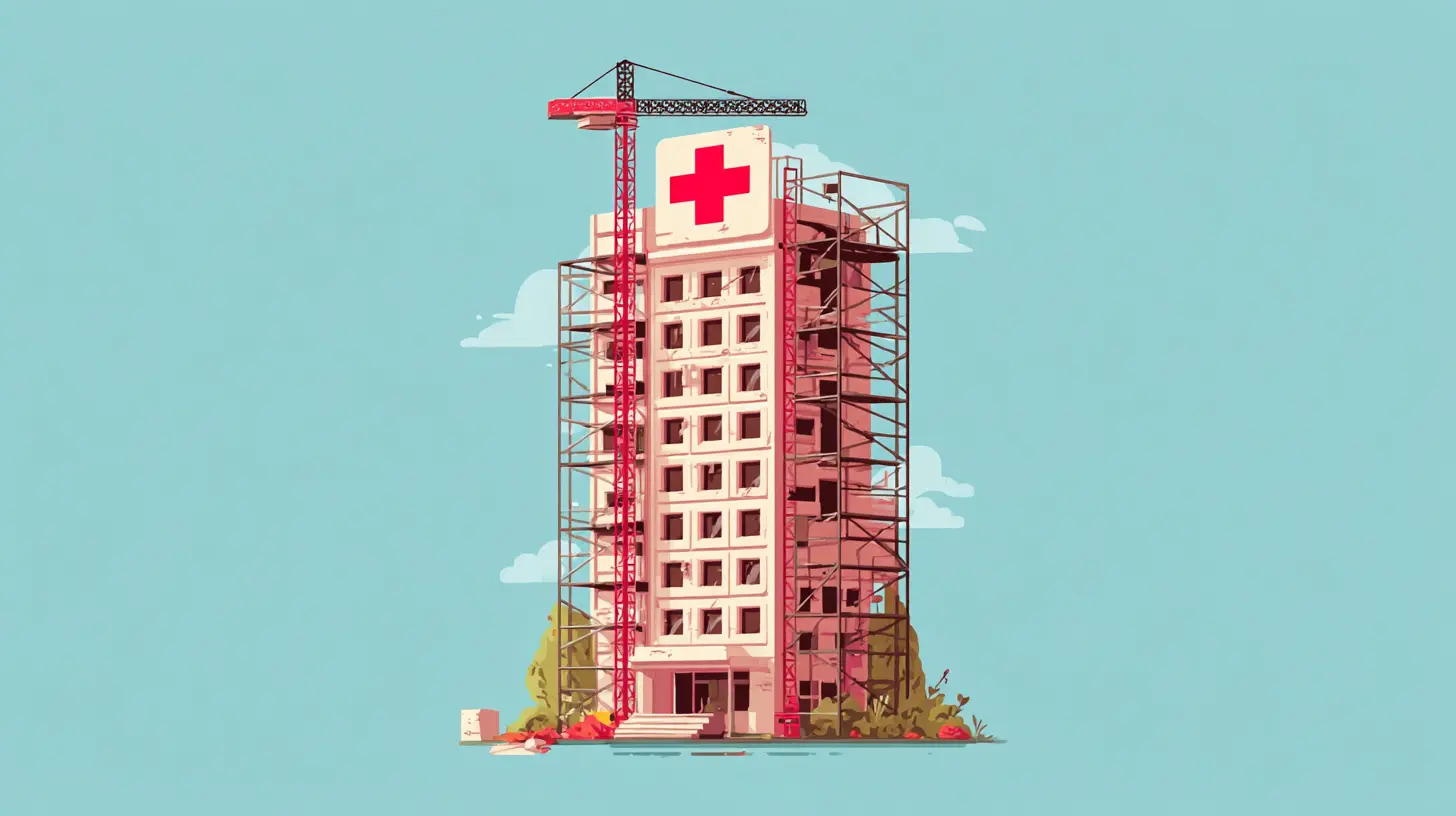
Futuristic Saving Strategies for the 2026 Freelancer
Saving used to mean "spend less than you earn." Duh. But how you capture that difference in 2026’s fluid income streams is key.1. The "Digital Round-Up" & Micro-Saving Automation: Use apps and banking tools that round up every client payment to the nearest $5 or $10 and sweep the difference into your emergency fund. Got paid $1,247 for a project? $3 instantly goes to savings. It’s painless, constant, and leverages the micro-transaction nature of digital finance. Think of it as a financial nano-bot, constantly fortifying your defenses.
2. The "Windfall Protocol": Establish an iron-clad rule for any unexpected money. Tax refunds? 70% to emergency fund, 30% to treat yourself. A surprise bonus from a thrilled client? A project that paid easier than expected? Follow your protocol. This prevents "lifestyle creep"—where more money just means more spending—and instead builds resilience.
3. The "Freelance Tax Synergy": Here’s a psychological hack. You’re already (hopefully!) setting aside 25-30% of every payment for taxes. What if you treated your emergency fund savings with the same non-negotiable reverence? The moment a payment hits, automate transfers: X% to taxes, Y% to emergency fund, the rest to operating. You’re already used to not touching the tax money; extend that discipline to your future security.
4. Monetize Your Digital Assets—For Your Fund: Have an old ebook, a course template, or a stock photo portfolio? Dedicate the revenue from these "legacy" assets entirely to your emergency fund. It’s found money working directly for your stability.

The Psychology of the Fund: Your Anti-Anxiety Toolkit
Perhaps the most underrated benefit of a robust emergency fund is what it does for your mind. Freelancing is a mental game. Financial anxiety clouds judgment, leads to desperate decisions (like taking on terrible clients), and kills creativity—the very thing you sell.Your emergency fund is "F-You Money" Lite. It’s not about being arrogant; it’s about empowerment. It means you can walk away from a toxic client or a low-ball offer without a heart attack. It means you can negotiate from a place of strength, not scarcity. That confidence often translates into higher rates and better projects. The fund doesn’t just protect you from bad times; it actively creates better times by freeing your mental RAM from constant worry.
So, as we look toward 2026, building your emergency fund is the single most professional thing you can do for your freelance business. It’s not a side quest. It’s the main storyline. It transforms you from a gig worker living invoice-to-invoice into a resilient, future-proof business owner. You’re not just saving cash; you’re buying freedom, options, and the profound peace of mind to truly enjoy the incredible journey of building a life on your own terms. Start today. Your future self, navigating the exciting, unknown waters of 2026, will lean over the side of your ship and thank you.
all images in this post were generated using AI tools
Category:
Freelancer BudgetingAuthor:

Zavier Larsen
Discussion
rate this article
2 comments
Jolene Porter
Prioritize a flexible emergency fund; it’s essential for financial stability and peace of mind as freelancers.
April 21, 2026 at 3:02 AM
Zavier Larsen
Absolutely! A flexible emergency fund is crucial for freelancers to navigate income fluctuations and unexpected expenses, ensuring financial stability and peace of mind.
Keira Wolfe
Essential advice for freelancers!
April 19, 2026 at 3:16 AM
Zavier Larsen
Glad you found it helpful! Building an emergency fund is crucial for freelancers.