Can Progressive Taxation Reduce the Income Divide?
29 May 2026
Let’s be honest—when tax season rolls around, very few of us are jumping for joy. But taxes, especially progressive taxation, might just hold the key to addressing one of the biggest challenges in our modern economy: the widening income divide. So, what’s the deal with progressive taxation? Can it actually reduce that ever-growing gap between the wealthy and everyone else?
Buckle up, because we’re diving into this hot-button issue, unpacking what progressive taxes are, how they work, and whether they can really help create a more balanced and fair economy.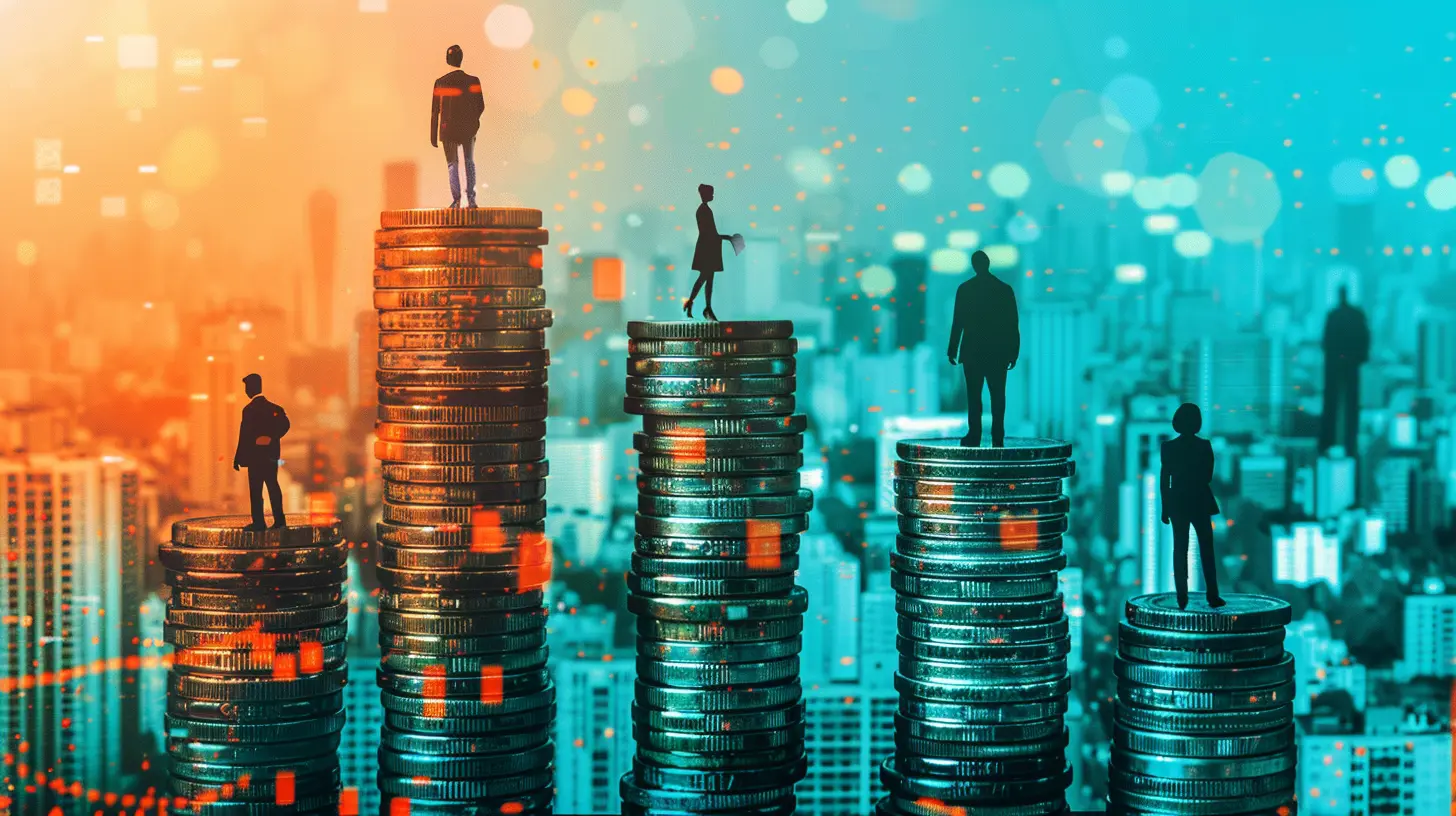
What Is Progressive Taxation, Anyway?
Alright, let’s clear the air first. A progressive taxation system is one where the tax rate increases as your income increases. So, the more you earn, the higher percentage of your income you pay in taxes. Sounds fair, right?It’s kind of like a stairway. If you’re on the first step (lower income), you pay a small tax. Climb higher (higher income), and the tax rate rises too. Now contrast that with a flat tax—same percentage for everyone—or a regressive tax, where lower-income folks might actually end up shouldering a heavier burden relative to their income.
A Quick Example
Here’s an ultra-simplified version:- Someone earning $30,000 might be taxed at 10%.
- Another person making $300,000 might be taxed at 30%.
The idea? Those who have more can afford to contribute more.
The Income Divide: Why Should We Care?
The income divide (or income inequality) refers to the gap between the rich and the poor. If you’ve ever felt like the rich are getting richer while the rest of us are treading water, you’re definitely not imagining things.Here’s Why It Matters:
- Stalled Economic Growth: When a small percentage holds a huge chunk of the wealth, there’s less money circulating among the masses. That hurts spending and, in turn, slows down the economy.- Social Tension: Let’s be real. If people feel like the system is rigged against them, frustration grows. That can lead to instability in society and politics.
- Lost Opportunity: Inequality often means fewer chances for education, health, and advancement, especially for the lower and middle classes.
The question now is: Can a progressive tax system help balance the scales?
The Case FOR Progressive Taxation
Supporters of progressive taxes argue that it's one of the best tools for reducing income inequality. Let's take a deeper look.1. Redistributes Wealth
This is a biggie. By taxing higher earners at a higher rate, the government can collect more revenue. That money can then be funneled into programs like education, healthcare, public transportation, and social security.Think of it like watering a dry garden. If only one corner gets all the attention (aka wealth), the rest withers. Progressive taxes help the whole garden bloom a bit more evenly.
2. Supports Social Mobility
More revenue from taxes means more investment in programs that give people a fair shot—better schools, access to college, job training, and so on. With the right resources, people from lower-income backgrounds have a fighting chance to move up the ladder.3. Strengthens Democracy
Here’s a refreshing thought: when the wealth gap narrows, political influence spreads out more evenly too. If fewer ultra-rich individuals dominate the political scene, everyday voices stand a better chance of being heard.4. Keeps the Economy Stable
A progressive tax system can act like a shock absorber for the economy. During boom times, higher tax rates can cool things down. In downturns, collecting less from those who’ve lost income means less hardship and potentially quicker recovery.
The Case AGAINST Progressive Taxation
Now, no solution’s perfect—or without critics. Some argue that progressive taxation has its flaws, and it’s only fair to take a look.1. Could Discourage Productivity
Critics say high tax rates on top earners can disincentivize hard work or innovation. If people feel like they’re just going to lose more of what they earn, they might not put in the extra effort. That could pinch entrepreneurship and job creation.But here’s some food for thought: would you really stop chasing success because of taxes? Probably not. Most wealthy people didn’t get there by accident, and ambition usually trumps taxes.
2. Complicated System
Progressive tax codes tend to be more complex, with multiple brackets, deductions, and loopholes. That complexity can be overwhelming—and expensive to navigate. Plus, it opens the door for tax avoidance strategies.Let’s face it, the ultra-rich often have teams of accountants and lawyers. That’s where the system can break down.
3. Risk of Capital Flight
This one’s mostly about the global economy. If taxes are too steep in one country, the wealthy might just move their businesses or assets elsewhere. That’s known as capital flight, and it can hurt local economies.But again, this is usually more theoretical than common. Most people don’t up and leave their homeland over a few more tax percentage points.
The Middle Ground: Making Progressive Taxation Work
Okay, so we’ve seen both sides. Is there a sweet spot where progressive taxation can work without crushing innovation or encouraging tax dodging?Definitely.
1. Smart Bracket Design
Instead of skyrocketing rates at the top, gradual increases can make the system feel more balanced. A system with too few brackets might have jumps that feel unfair. More nuanced brackets spread the load better.2. Close Loopholes
Reforming tax codes to cut out loopholes, shelters, and shady accounting tricks is key. If everyone—yes, everyone—is playing by the same rules, it’s easier to justify the progressive model.3. Increase Transparency
Let people see where their tax dollars are going. If taxpayers know their money is funding schools, roads, and healthcare—not lining someone’s pocket—it builds trust and support.4. Tie Taxes To Results
When higher taxes lead to better services, people feel they’re getting their money’s worth. Nobody wants to feel like they’re just feeding a bloated bureaucracy. Show results, and taxpayers might even stop grumbling (well, at least a little).Real-World Examples of Progressive Taxation
Let’s look at some countries that have tried this out in the real world.Sweden
Ah yes, the Scandinavian model. Sweden has some of the highest tax rates in the world—yet it ranks high in happiness, healthcare, and education. Their wealth gap is relatively low compared to countries with flat or regressive tax models.United States
America uses a progressive income tax—but with a twist. The system’s riddled with deductions and loopholes that let the ultra-rich sometimes pay less (as a percentage) than middle-income earners. That’s where reforms often get stuck in political quicksand.Germany
Another good example. Germany has progressive taxes and also relies on a strong social safety net. The result? Lower income inequality and strong public support for social programs.So... Can Progressive Taxation Reduce the Income Divide?
Short answer? Yes—with a few caveats.Progressive taxation isn’t a magic wand. But when thoughtfully designed and fairly implemented, it can definitely help close the income gap. It’s about more than just collecting money—it’s about creating opportunity, fairness, and stability.
Let’s be real—it’ll never make everyone completely equal. But that’s not the goal. The aim is to level the playing field enough so that where you’re born doesn't completely decide where you end up.
Final Thoughts: It’s Not Just About the Money
Progressive taxation is about values. It's about saying, “Hey, we’re all in this together.” It's recognizing that success isn’t only individual—it’s often built on roads, schools, tech, and systems the public helped fund.So next time someone groans about taxes (maybe it's even you), think about this: Is a slightly higher tax rate really such a bad trade-off for a society where more people can thrive?
If we want a fairer, more balanced world, progressive taxes might just be one of the tools to help us get there.
all images in this post were generated using AI tools
Category:
Income InequalityAuthor:

Zavier Larsen
Discussion
rate this article
1 comments
Grant Chavez
Progressive taxation offers a real chance to bridge the income divide and promote a fairer society.
June 2, 2026 at 4:34 AM
Zavier Larsen
You're right. Progressive taxation can indeed play a crucial role in addressing income inequality and fostering a more equitable society.