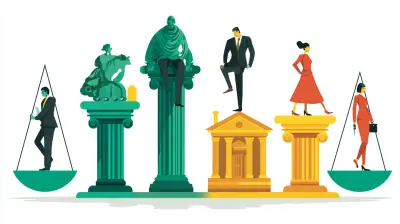
Exploring the Relationship Between Health and Income Inequality
24 February 2026
Let’s be real—money talks. And when it comes to our health? It downright screams. We’ve all heard the age-old phrase “health is wealth,” but have you ever flipped that around? Is wealth actually health? Spoiler alert: It kinda is.
In this deep dive, we’re going to unmask the uncomfortable, often-overlooked truth about how income disparities directly shape the quality of life people experience—from cradle to grave. If you've ever wondered why healthier communities usually look richer, or why the poor often get sicker, you're in the right place.

Why Should You Care About Health and Income Inequality?
Imagine two kids born in the same city—one in a wealthy neighborhood, the other in a low-income area. They don’t just live on different sides of town. They live in different universes when it comes to health outcomes. Life expectancy, disease risk, even mental health? Worlds apart.This isn't just about numbers on a spreadsheet. It's about real lives, lived under very different conditions. If health is the foundation of a good life, then income inequality might just be the wrecking ball that keeps knocking it down.
The Blunt Truth: Income Influences Health
Let’s cut through the noise—if you earn more, you tend to live longer and healthier. Period.Wealth opens doors to:
- Better nutrition – Organic veggies, lean protein, superfoods. Not exactly what you get from the dollar menu, right?
- Quality healthcare – Private insurance, quick appointments, cutting-edge treatments. Meanwhile, low-income folks are dealing with overcrowded clinics and sky-high bills.
- Safer communities – Fewer shootings, less violence, and neighborhoods that encourage walking and playing outdoors.
- Clean environments – No factories spewing toxic fumes next door.
And that’s just scratching the surface.
When you're strapped for cash, you're more likely to smoke, drink excessively, skip meals, rack up cortisol from chronic stress, and delay going to the doctor. This isn't about bad choices—it's about constrained choices. There's a difference.
Stress: The Silent Killer That Follows the Poor
Let’s talk stress. Not the "ugh, my latte order was wrong" kind. We’re talking about burning-the-candle-at-both-ends stress—working two jobs to make rent, or choosing between medication and groceries. That’s chronic stress, and it wreaks havoc on your body.Chronic stress increases your risk for:
- Heart disease
- Obesity
- Diabetes
- Depression
- Anxiety
- Immune dysfunction
When you're poor, stress isn’t just an occasional visitor. It’s a constant houseguest that eats all your food and never leaves.
The Domino Effect: Poverty Breeds Poor Health, Poor Health Fuels Poverty
Here’s the cruel cycle:1. You're poor, so you can’t afford healthcare.
2. You avoid going to the doctor.
3. Your health worsens.
4. You miss work or can't hold a job.
5. You earn even less.
Round and round it goes.
Now, imagine you’re diagnosed with diabetes but can't afford insulin. Or you’ve got asthma, but your apartment is full of mold. You’re not just battling the disease—you’re battling a whole broken system. Poverty doesn’t just make you sick. It traps you in sickness like quicksand.
Mental Health Isn’t Immune Either
Mental health is often the forgotten child in the health-income equation. But it’s crucial.If you’re struggling financially, you're more likely to suffer from:
- Depression
- Anxiety
- Substance abuse
- Suicidal thoughts
Financial insecurity gnaws at your sense of self-worth. It's like living under a dark cloud with no umbrella in sight. And let’s be honest, therapy ain’t cheap. In fact, access to mental health care is a luxury far too many can’t afford.
So, we’re not just talking about heart attacks and diabetes. We're talking hopelessness, despair, and emotional fatigue on a mass scale.
The Healthcare System Doesn’t Help—It Hurts
Here's a pretty messed-up fact: In many countries, healthcare is a business, not a basic right. If you're broke, you're often stuck with:- No insurance or underinsurance
- High deductibles
- Long wait times
- Low-quality facilities
And even if you do manage to see a doctor, follow-up care can be a logistical nightmare. Need a specialist? Good luck. Can’t afford your meds? Too bad.
This isn’t just inequality—it’s injustice.
Childhood: Where the Gap Begins
We can’t talk about health and income inequality without talking about kids. And buckle up—this part’s tough.Poor kids face:
- Higher infant mortality
- More chronic conditions like asthma or obesity
- Worse nutrition
- Underfunded schools with zero health programs
By the time these kids are adults, they’re already at a disadvantage. Imagine starting a race 50 yards behind everyone else. That’s what growing up poor does to your chances of being healthy.
Aging: Inequality Doesn’t Retire
Think things even out when we get older? Think again.Low-income seniors face:
- Higher rates of cognitive decline
- Chronic illnesses piling up
- Inadequate long-term care
- Less access to screenings or medications
Retirement for the poor isn’t about cruises and golf. It’s often about medical bankruptcy, isolation, and deteriorating health.
Location, Location, Location
Where you live matters—a lot.In many cities, zip codes predict life expectancy more accurately than genetic codes. Rich neighborhoods come with clean streets, green parks, and plenty of healthcare options. Poor areas? Food deserts, pollution, and maybe one overworked clinic for every 10,000 people.
We’re not exaggerating when we say geography can literally kill you.
Race, Income Inequality, and Health — A Triple Threat
Let’s not ignore the elephant in the room—race. Income inequality is bad enough, but when combined with racial inequality? It’s deadly.Communities of color, especially Black and Indigenous populations, often face:
- Higher poverty rates
- Medical bias and discrimination
- Underfunded healthcare systems
- Limited access to nutritious food and clean water
You can’t solve the income-health gap without tackling systemic racism head-on.
So What Can We Do? Solutions, Not Just Complaints
Alright, we’ve done enough ranting. Let’s talk action.1. Universal Healthcare
Everyone should have access to quality health care, not just those who can afford it. Period.2. Increase Minimum Wage
Let people earn enough to actually live. It’s not radical—it’s humane.3. Affordable Housing
Safe homes shouldn’t be a luxury. Stable housing = better health.4. Nutrition Programs
Access to healthy food shouldn’t depend on your income. Period.5. Invest in Education
Better schools mean better jobs, which lead to better health. It's a long game, but it's worth it.6. Mental Health Coverage
Let’s treat mental health with the same urgency as physical health. We’re long overdue.Final Thoughts: It’s Not Just About Money—It’s About Morality
This isn’t just a finance issue. Or a health issue. It’s a moral issue.Are we okay with a world where your income decides whether you live to 60 or 90? Where being poor means being sicker, dying younger, and suffering more?
The gap between rich and poor is widening. And until we address that, we’ll keep seeing health outcomes that reflect not our biology—but our bank balance.
So yeah, income and health go hand-in-hand. And it’s time we stopped pretending otherwise.
all images in this post were generated using AI tools
Category:
Income InequalityAuthor:

Zavier Larsen
Discussion
rate this article
2 comments
Cara Nelson
Understanding the link between health and income inequality empowers us to create a fairer society. Together, we can advocate for change and uplift all communities!
March 15, 2026 at 5:02 AM
Zavier Larsen
Thank you for your insightful comment! I completely agree—addressing health and income inequality is crucial for building a more equitable society.
Signe Walker
This article beautifully highlights the crucial link between health and income inequality. It's vital to understand how these factors intertwine to foster a healthier society. Well done!
March 12, 2026 at 12:46 PM
Zavier Larsen
Thank you for your thoughtful comment! I'm glad you found the article insightful in addressing this important connection.