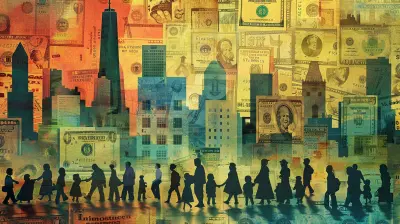
Gentrification and Its Impact on Economic Inequality in Urban Areas
7 January 2026
If you’ve ever lived in a city, chances are you’ve seen neighborhoods changing right before your eyes. Maybe your favorite local diner turned into a stylish coffee shop serving $7 lattes. Or perhaps rent prices skyrocketed, and familiar faces started disappearing. This change—both exciting and heartbreaking—is called gentrification.
But what really happens when gentrification takes root? Is it all cute boutiques and better public parks? Or is there a darker side that deepens the gap between the rich and the poor? Let's dive into how gentrification affects economic inequality in urban areas—and trust me, it's more complex than it seems.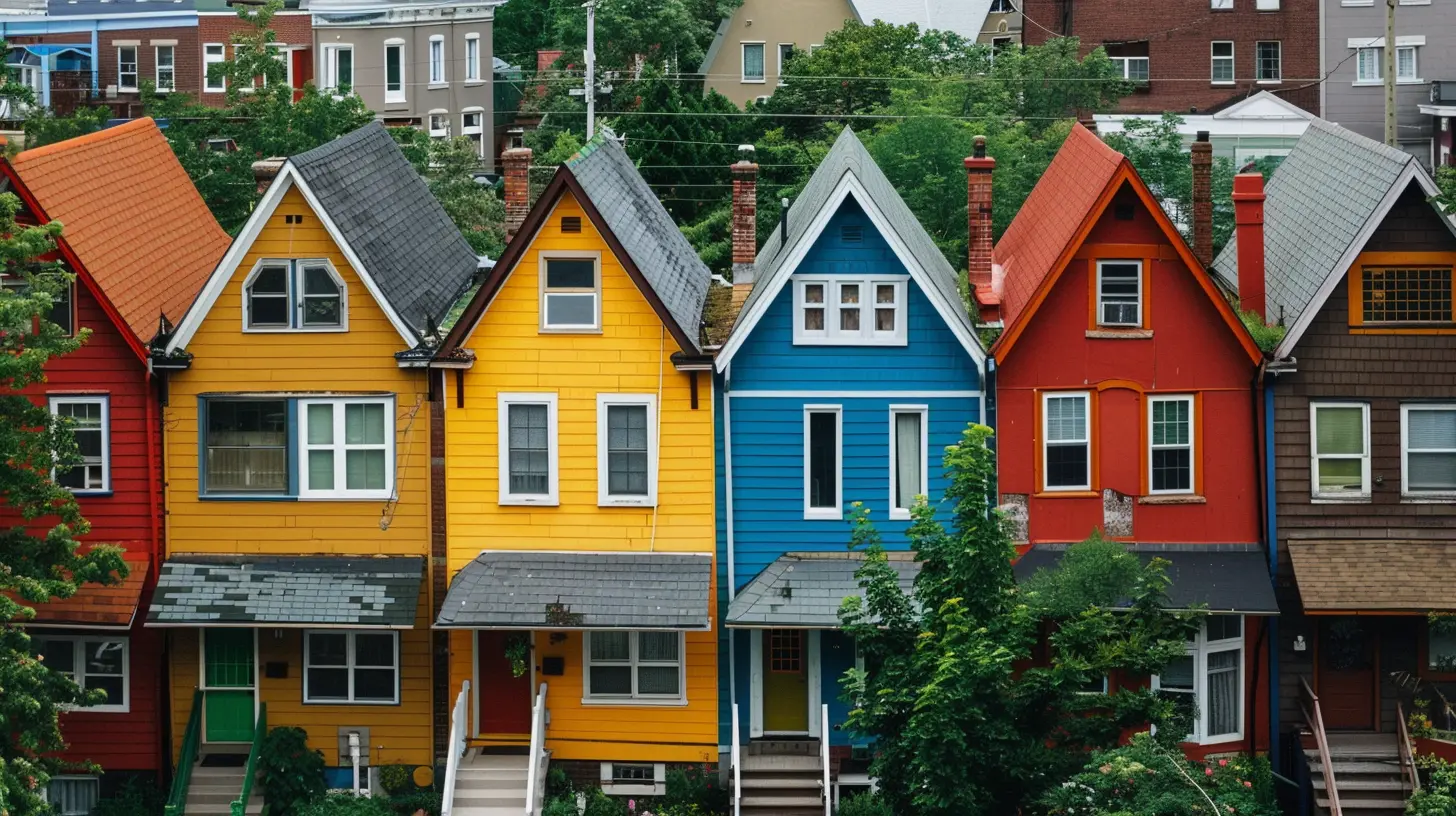
What Is Gentrification, Really?
Gentrification is like a double-edged sword. On one side, it brings investment, development, and often safer neighborhoods. On the other side, it pushes out long-time residents who can’t keep up with soaring costs.In plain English, gentrification happens when wealthier people move into historically lower-income neighborhoods. They bring money, which upgrades housing, businesses, and amenities. Sounds great, right? But here's the catch—when prices go up, many original residents can’t afford to stay.
Think of it like turning up the volume in a room full of people. Some might enjoy the music, but others will be forced to leave just to escape the noise.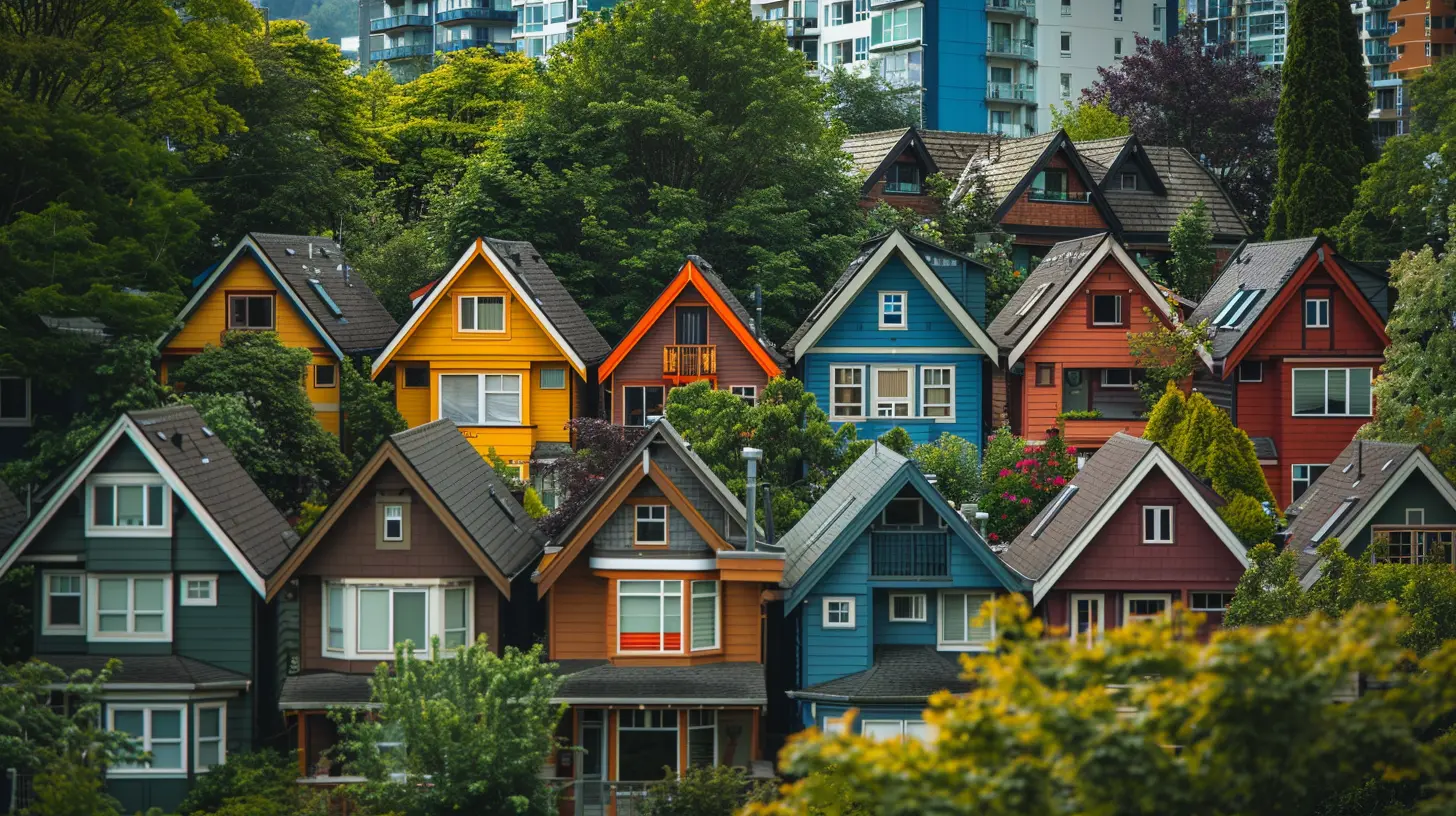
The Cycle of Gentrification
Gentrification doesn’t happen overnight. It's a process, like dominos falling—one by one. Here’s typically how the cycle goes:1. Disinvestment in Urban Areas
Many urban neighborhoods, especially those predominantly occupied by marginalized communities, start with years of underfunding. Public services deteriorate, schools struggle, and infrastructure begins to crumble.2. Low Property Values Attract Investors
Because property is cheap, it attracts developers and wealthier individuals looking for bargain investments. Artists and young professionals often move in too, drawn by affordability and charm.3. New Businesses and Rising Prices
Next come trendy cafes, upscale apartments, and artisanal everything. Property values shoot up. Rental prices follow.4. Displacement of Long-Time Residents
As the area becomes more desirable, rent increases. Homeowners might be pressured to sell. Low-income renters are often evicted or priced out. The cultural fabric of the neighborhood starts to change.5. Economic Inequality Intensifies
The wealthier newcomers benefit from the improvements. Meanwhile, the original residents—many of whom are from minority communities—struggle more than ever to find affordable housing nearby.
Who Really Benefits From Gentrification?
Let’s not sugarcoat it: gentrification often benefits investors and high-income individuals the most. Sure, cities might rake in more tax revenue, and businesses may thrive, but the people who've lived in these areas for decades? They're often left behind.It's like someone crashing your house party and then slowly kicking you out while redecorating.
Of course, some argue that gentrification brings jobs and safer streets. And yes, crime rates sometimes go down. But at what cost? If the original community can't afford to remain and enjoy those improvements, is it really a win?
Economic Inequality: The Unspoken Side Effect
Gentrification doesn’t just move people; it widens the wealth gap.📉 Lower-Income Residents Are Priced Out
One of the biggest and most immediate impacts? Housing affordability. As property values increase, so does rent. Long-time renters—who usually don’t have the resources to keep up—are forced to move, often to less accessible areas with fewer opportunities.🏡 Limited Access to Home Ownership
For many, homeownership is the key to generational wealth. But gentrification makes it harder for lower-income families to buy property in their own neighborhood. Left out of the property boom, they miss out on wealth-building opportunities.🚫 Lost Access to Essential Services
It’s not just about housing. As neighborhoods gentrify, local stores, clinics, and community centers often close—replaced by businesses that cater to the new residents. That means long-time locals might lose access to the very services they rely on.Racial and Cultural Displacement
Let’s face it—gentrification isn’t just about economics. It often has a racial dimension.Historically, people of color have been pushed into specific neighborhoods due to redlining and discriminatory housing practices. So when those same areas suddenly become “up-and-coming,” it's particularly painful. The very communities that were marginalized for decades are now being sidelined again—only this time, for being priced out.
And it’s not just homes that are lost—it's culture, identity, and history. The mom-and-pop shops, local food spots, and community centers that gave the area its soul are replaced by businesses you can find in any gentrified city.
Gentrification vs. Revitalization: What's The Difference?
Wait, isn’t developing a struggling neighborhood a good thing?Great question. The key difference lies in who benefits.
- Revitalization focuses on improving the area for existing residents—more affordable housing, better schools, and public services.
- Gentrification often improves the neighborhood for newcomers at the expense of long-term residents.
You can think of revitalization like renovating your home without kicking out your roommates. Gentrification is more like remodeling the house and changing the locks.
Real-Life Examples That Hit Home
Brooklyn, New York
Once considered gritty and affordable, Brooklyn now boasts some of the highest rent prices in NYC. Original residents have been priced out, replaced by wealthier transplants. The culture shift? Massive.Portland, Oregon
Neighborhoods like Albina—historically home to African-American communities—have seen dramatic changes. Many families have been displaced, and only remnants of the original cultural identity remain.San Francisco, California
Tech-boom-driven gentrification has radically transformed areas like the Mission District. High-paying tech jobs created demand for housing, jacking up costs and pushing out long-time Latino residents.Economic Inequality Is a Growing National Issue
Gentrification isn’t just a city problem—it’s part of a bigger picture. Across the country, income inequality is rising. The rich are getting richer, and the poor? They’re falling further behind.Gentrification just puts a spotlight on this divide, making it more visible and, frankly, impossible to ignore. It's the symptom of a larger disease: a broken housing system, wage stagnation, and lack of investment in underserved communities.
Can Gentrification Be Done Right?
Here’s the million-dollar question: Is there a way to improve neighborhoods without pushing people out?Honestly? It’s hard, but not impossible. Some cities are starting to get creative.
✅ Inclusionary Zoning
This means developers are required to include a percentage of affordable housing units in new buildings.✅ Rent Control Policies
Putting caps on how much landlords can raise rent helps protect tenants from sudden hikes.✅ Community Land Trusts
These nonprofit organizations buy and manage land to ensure it remains affordable for the local community.✅ Resident-Owned Co-Ops
Empowering residents to own their building gives them control and protection from displacement.These solutions aren’t perfect, but they show that with political will and community support, we can find a better way.
So, What Can You Do?
You don’t need to be a policymaker to make a difference. Here are a few ways you can help:- Support Local Businesses: Keep your dollars in the community.
- Get Involved in Zoning Meetings: These boring events can shape your neighborhood’s future.
- Vote Smart: Support leaders who prioritize affordable housing and fair development.
- Speak Up: If you notice displacement happening, say something. Awareness matters.
Final Thoughts
Gentrification is a complicated beast. It brings both progress and pain. While it can breathe life into previously neglected neighborhoods, it often does so at the cost of pushing out the very people who called those places home.The key is to find balance—to lift communities up without leaving anyone behind. And that starts with understanding the real impact of gentrification on economic inequality and pushing for solutions that are fair and inclusive.
After all, a better neighborhood isn’t truly better if the people who built it can’t afford to stay.
all images in this post were generated using AI tools
Category:
Income InequalityAuthor:
Zavier Larsen
Discussion
rate this article
2 comments
Cora Black
Understanding gentrification is key to bridging economic gaps; together, we can foster inclusive urban growth and community resilience!
February 9, 2026 at 1:13 PM
Zavier Larsen
Thank you for your insightful comment! I completely agree that understanding gentrification is essential for promoting inclusive growth and resilience in our communities.
Vanessa Wade
This article beautifully highlights the complexities of gentrification and its role in shaping economic inequality. By fostering discussions about urban development and community needs, we can work towards solutions that uplift all residents. Thank you for shedding light on such an important issue—change begins with awareness! Keep up the great work!
January 14, 2026 at 11:47 AM
Zavier Larsen
Thank you for your thoughtful comment! I'm glad you found the article engaging and that it sparked important discussions on gentrification and economic inequality. Together, we can foster positive change!