How Future Tech Will Influence Your Daily Spending
4 October 2026
Your money is already moving through systems most people do not understand. That gap between how you think spending works and how it actually works is about to widen. The technologies reshaping payments, credit, pricing, and financial advice are not distant curiosities. They are entering your grocery store, your phone, and your credit report right now. Understanding them is no longer optional for anyone who wants to keep control of their wallet.
This article examines the specific technologies that will change how you spend, why they work the way they do, where they can hurt you, and how to prepare. No hype. No vague predictions about the future of money. Just the mechanics, the trade-offs, and the decisions you will need to make.

The Quiet Shift From Swiping to Sensing
Payment has been drifting away from physical action for two decades. Cash gave way to cards. Cards gave way to phones. The next step removes the deliberate gesture entirely.Biometric and Invisible Payments
Fingerprint and facial recognition already authorize transactions on millions of devices. The logical extension is payment that requires no confirmation at all. A camera recognizes you at checkout, a token linked to your account settles the bill, and you walk out. Amazon's Just Walk Out style stores demonstrated the concept, though the operational reality has been messier than the marketing suggested, with some retailers scaling back or altering their approaches after discovering that the technology costs more to run than expected.Why does this matter for your daily spending? Because friction is a budgeting tool. When you have to pull out a card, you feel the transaction. When you tap a phone, the feeling weakens. When you simply walk out of a store, the feeling disappears. Retailers know this. Every reduction in payment friction has historically increased spending, and there is no reason to expect that pattern to reverse.
The practical question is not whether invisible payment is convenient. It is. The question is whether you want to give up the moment of awareness that currently sits between wanting something and paying for it. For some people, that moment is the only budget enforcement mechanism they have.
What to consider before adopting it: If you struggle with impulse spending, friction is your friend. Opt for payment methods that require a deliberate action. If you are disciplined and track spending in real time through an app, frictionless payment can save you time without changing your behavior.
Voice and Ambient Commerce
Smart speakers and voice assistants have made it possible to buy things by speaking. The technology works, but adoption has been slower than predicted, largely because people do not trust a device to spend their money based on a misinterpreted sentence. That trust problem is real. A misheard command, a child playing with a speaker, or a background conversation can trigger a purchase.Expect voice commerce to grow in specific niches: reordering household staples, paying routine bills, and confirming pre-approved transactions. It will not replace browsing. Nobody impulse buys a jacket through a speaker because they cannot see it. The spending risk here is smaller than headlines suggest, but the convenience is also narrower.
Dynamic Pricing Will Make Every Price Personal
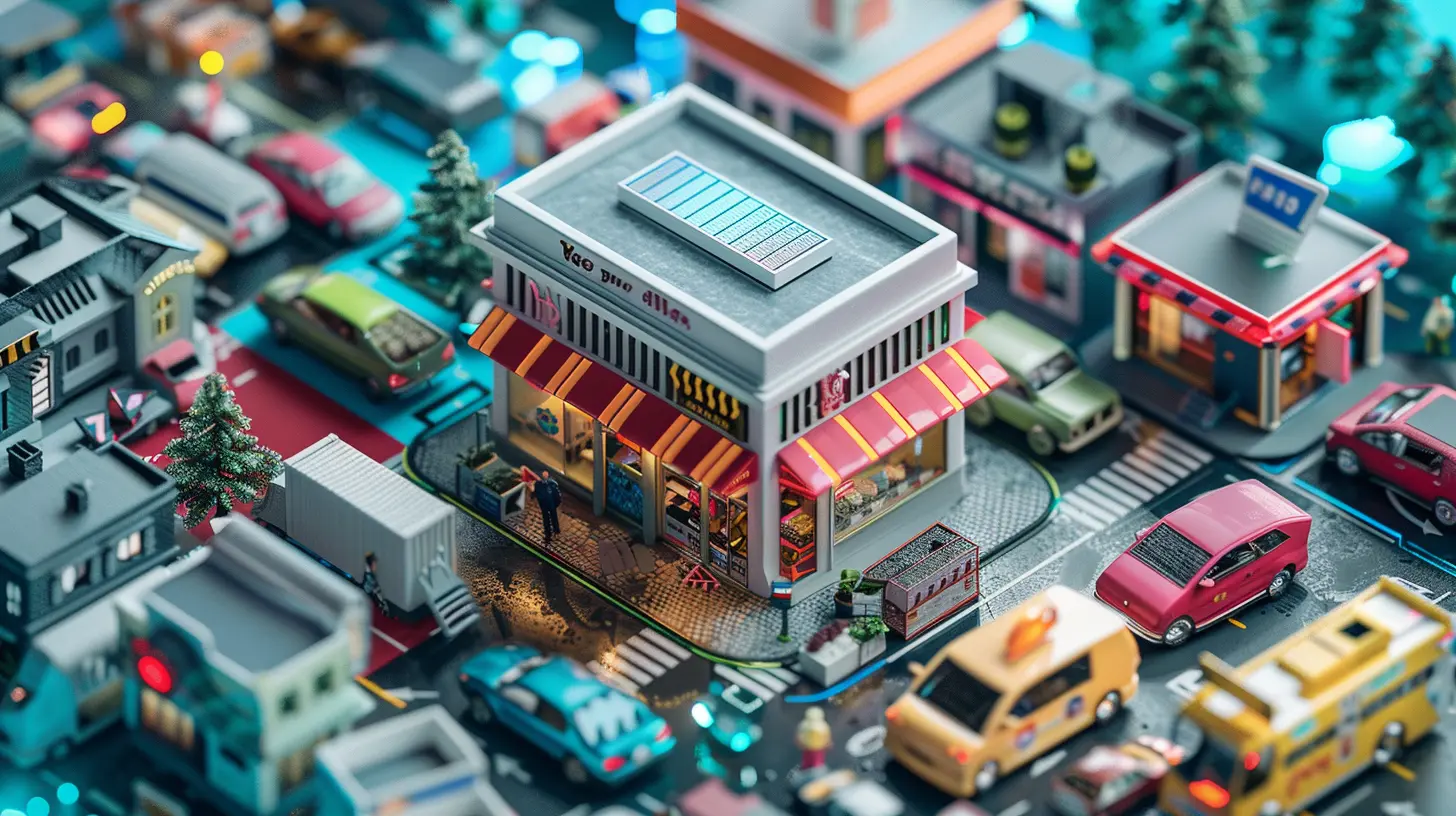
This is the change that deserves the most attention, and it gets the least.Static price tags are a historical anomaly. For most of human history, prices were negotiated. Fixed prices became standard only with mass retail in the nineteenth century. Technology is now reversing that, and the reversal will affect nearly everything you buy.
How Algorithmic Pricing Works
Airlines and hotels have used dynamic pricing for decades. What is new is the granularity. Modern systems can adjust prices based on demand, time of day, your location, your browsing history, your loyalty status, and your willingness to pay as inferred from past behavior.Two people can see different prices for the same product at the same moment. This is not a conspiracy theory. It is documented practice in ride-hailing, delivery apps, and increasingly in grocery and retail through personalized promotions and digital shelf labels.
Why It Works and Why It Is Dangerous
Dynamic pricing works because it captures more value from each customer. The seller charges more to people who will pay more and less to people who need a nudge. From an economic standpoint, it is efficient. From a household budget standpoint, it is chaotic.The danger is asymmetry. The seller has data and algorithms. You have a phone and a vague sense that things cost what they cost. That asymmetry will cost you money unless you adapt.
Practical countermeasures that actually work:
- Compare prices across accounts. Log out, use a different browser, or check on a different device. Price differences are real and detectable.
- Avoid urgency cues. Countdown timers and "only two left" messages are often triggered by your behavior, not actual inventory.
- Buy non-urgent items on a delay. Add them to a cart and wait. Prices on many platforms fluctuate, and patience is often rewarded.
- Use price tracking tools where available. Some browsers and apps will alert you when a price drops.
Common mistake: Assuming loyalty programs always save you money. Some do. Others collect data that enables higher personalized pricing elsewhere. Read the terms and watch whether your "member price" is actually lower than the non-member price you would see in a different session.

AI Financial Advisors and the End of Generic Budgeting
Budgeting apps have existed for years. Most of them categorize transactions and show you charts. The next generation does something different: it acts.From Tracking to Intervention
An AI system connected to your accounts can intervene before a purchase, not after. It can flag that a subscription you forgot about is renewing tomorrow. It can warn you that a purchase will push you below a buffer you set. It can negotiate a bill on your behalf or suggest a cheaper alternative in the moment.This is genuinely useful, and it is also a significant delegation of judgment. The system needs access to your financial data to work. That access is the product. Many "free" financial apps monetize by selling anonymized spending data or by earning referral fees when they steer you toward financial products.
How to evaluate an AI financial tool:
- Check the business model. If you are not paying, ask what is being sold.
- Read the data sharing terms. Access to transaction data is powerful and hard to revoke once granted.
- Test the recommendations before trusting them. Give the tool a small, controlled scenario and see whether its advice matches your actual priorities.
- Look for the ability to override. A good tool advises. A bad tool restricts.
Why Human Judgment Still Matters
AI is good at pattern recognition and bad at context. It does not know that you are saving for a specific goal that matters more than a slightly better interest rate. It does not know that the expensive grocery store is worth it because it is the only one near your mother's house. It optimizes for the variables it can measure.Use these tools for the mechanical work: tracking, alerting, categorizing, and flagging anomalies. Keep the value judgments for yourself.
Embedded Finance: When Every App Becomes a Bank
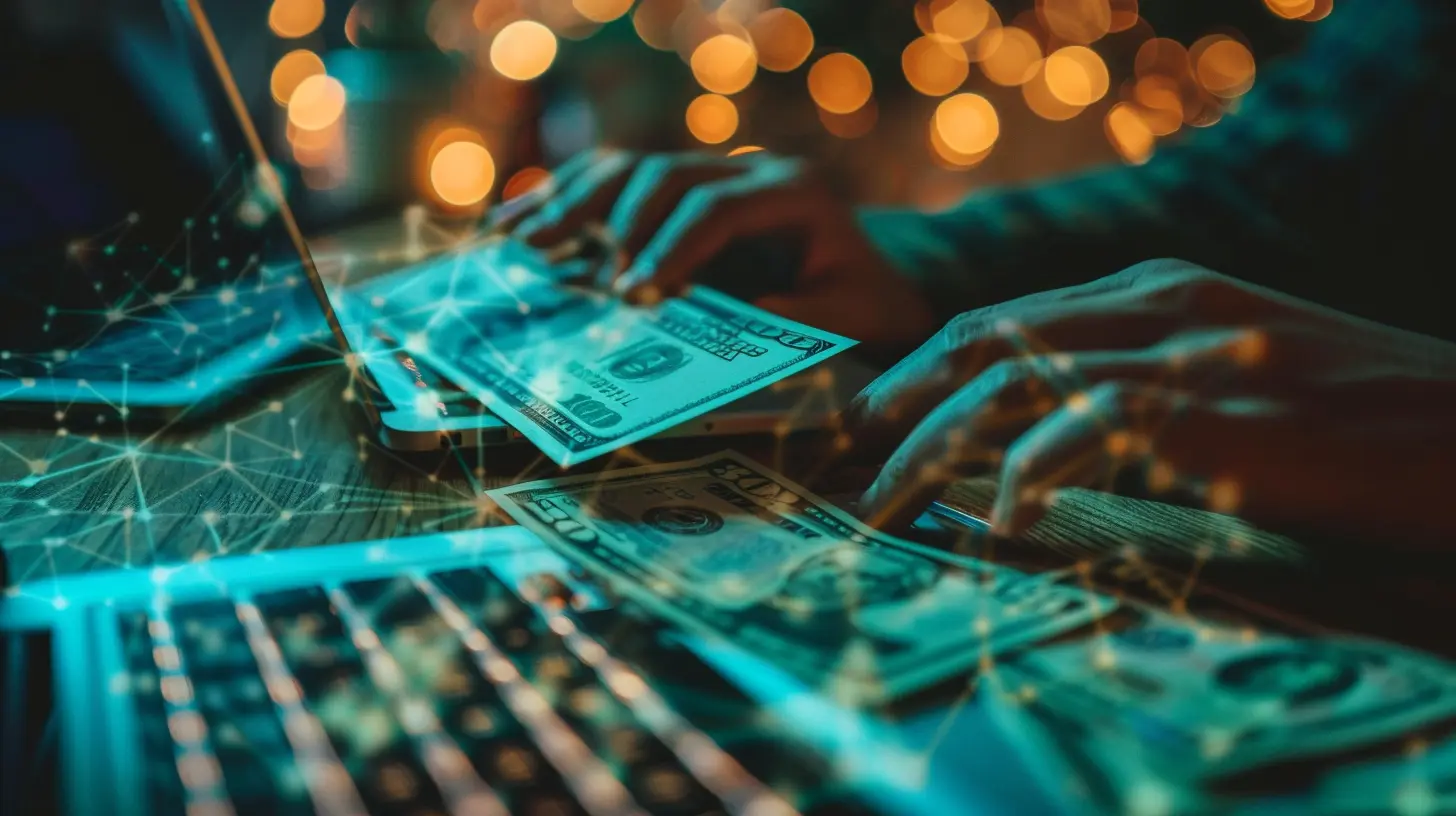
Buy now, pay later is the visible edge of a larger trend. Financial services are being embedded into non-financial apps. Your ride-hailing app offers a loan. Your fitness app offers a credit card. Your employer's payroll platform offers early wage access.The Convenience and the Cost
Embedded finance works because it removes the step of going to a bank. That convenience is real. The cost is often hidden in the structure of the product.Buy now, pay later plans frequently carry no interest but do carry late fees, and they can encourage spending beyond your means by splitting a purchase into amounts that feel small. Early wage access can smooth cash flow, but it can also create a cycle where you are always drawing against money you have not yet earned, and some providers charge fees for the service.
The key question to ask before using any embedded financial product: Would I make this purchase if I had to pay the full amount today from my current balance? If the answer is no, the payment plan is not helping you afford it. It is helping you buy something you cannot afford.
Where Embedded Finance Makes Sense
It is not all bad. Embedded insurance at the point of a rental car purchase can be genuinely convenient. A point-of-sale installment plan with zero fees and no interest can be a rational cash flow tool if you have the money and simply prefer to keep it longer. The product is not the problem. The problem is the framing that turns a loan into a casual tap.Central Bank Digital Currencies and What They Change
Central banks in many countries are researching or piloting digital versions of their national currencies. The details vary enormously, and it is important not to overstate what is known.What a CBDC Would Actually Do
A retail CBDC would be a digital form of central bank money that the public could hold directly, rather than through a commercial bank. It could make payments faster and cheaper, particularly for cross-border transfers. It could also give governments a direct view of transactions in a way that physical cash does not.The Realistic Concerns
Privacy is the central issue. Depending on how a CBDC is designed, it could allow transaction monitoring at a scale that cash prevents. Some designs include programmability, which could restrict how money is spent or set expiration dates. These features are technically possible. Whether they are implemented depends on policy choices that are still being made.What you should do now: Pay attention to the design choices being debated in your country. The difference between a privacy-preserving CBDC and a surveillance-capable one is a policy decision, not a technical inevitability. This is one area where public input actually shapes outcomes.
For daily spending, a CBDC would most likely function as another payment method. The change would be incremental for most people, but the long-term implications for financial privacy are significant enough to warrant attention.
Subscriptions, Micro-Charges, and the Death of Ownership
The subscription model has spread from software to almost everything. Cars, appliances, and even features already built into hardware are now sold as ongoing services.Why This Model Spreads
Subscriptions generate predictable revenue, which investors reward. They also lower the upfront price, which makes products feel more accessible. The trade-off is that you pay more over time and you never stop paying.For your daily spending, this matters because subscriptions are easy to start and annoying to cancel. The average household now carries a surprising number of recurring charges, and a meaningful share of them go unused. The friction is deliberately asymmetric.
A Practical System for Managing Recurring Costs
- Audit every recurring charge once a quarter. Use your bank statement, not your memory.- Cancel anything you have not used in the last billing cycle. You can always resubscribe.
- Use virtual card numbers where available. Some card issuers let you create a number tied to a single merchant, which makes it easy to cut off a subscription without changing your main card.
- Set a calendar reminder for free trials. The trial is designed to convert you through inaction.
Misconception to drop: The idea that owning things is always better than subscribing. For some products, like software that updates constantly, a subscription is rational. For others, like a car feature you use once a year, it is a trap. Evaluate each one on its own terms.
What You Should Do Now
The technologies above are not coming. They are here, unevenly distributed and unevenly regulated. Your job is not to predict the future. It is to build habits and systems that hold up regardless of which technology wins.Five actions worth taking this month:
1. Turn on transaction alerts for every account. Awareness is the foundation of control.
2. Review your recurring charges and cancel at least one thing you do not use.
3. Check whether your financial apps sell data. If they do, decide whether the trade is worth it.
4. Compare a price across two accounts or devices the next time you shop online. See for yourself how personalized pricing works.
5. Set a deliberate friction point for any payment method that feels too easy. A weekly transfer to a separate spending account is one simple option.
The future of spending is not about which technology you use. It is about whether you understand the incentives built into it. Every system described in this article was designed by someone with a goal. Your goal is to keep more of your money and spend it on what you actually value. That requires paying attention to the mechanics, not just the marketing.
Technology will keep lowering friction. Your job is to decide, deliberately, where friction should stay.
all images in this post were generated using AI tools
Category:
Spending HabitsAuthor:

Zavier Larsen