How Immigration Impacts Income Inequality in Developed Countries
24 May 2026
Immigration is a topic that stirs up a lot of debates, headlines, and heated dinner table conversations. From economic growth to cultural diversity, the ripple effects of immigration are far-reaching. But there’s one impact that often flies under the radar or gets oversimplified – income inequality.
Let’s dive into how immigration affects income inequality in developed countries. Is it a driver of economic imbalance or a secret ingredient for prosperity? Well, the answer isn't black and white, but stick with me – we’ll unpack it all.
Understanding the Basics: What’s Income Inequality Anyway?
Before we jump into immigration’s role, let’s quickly clear up what we’re talking about.Income inequality refers to how unevenly income is distributed among a population. In simple terms – it’s the gap between the rich and the poor. In developed countries, this gap has been widening for years, raising concerns about social cohesion, economic stability, and fairness.
So, where does immigration fit into all this?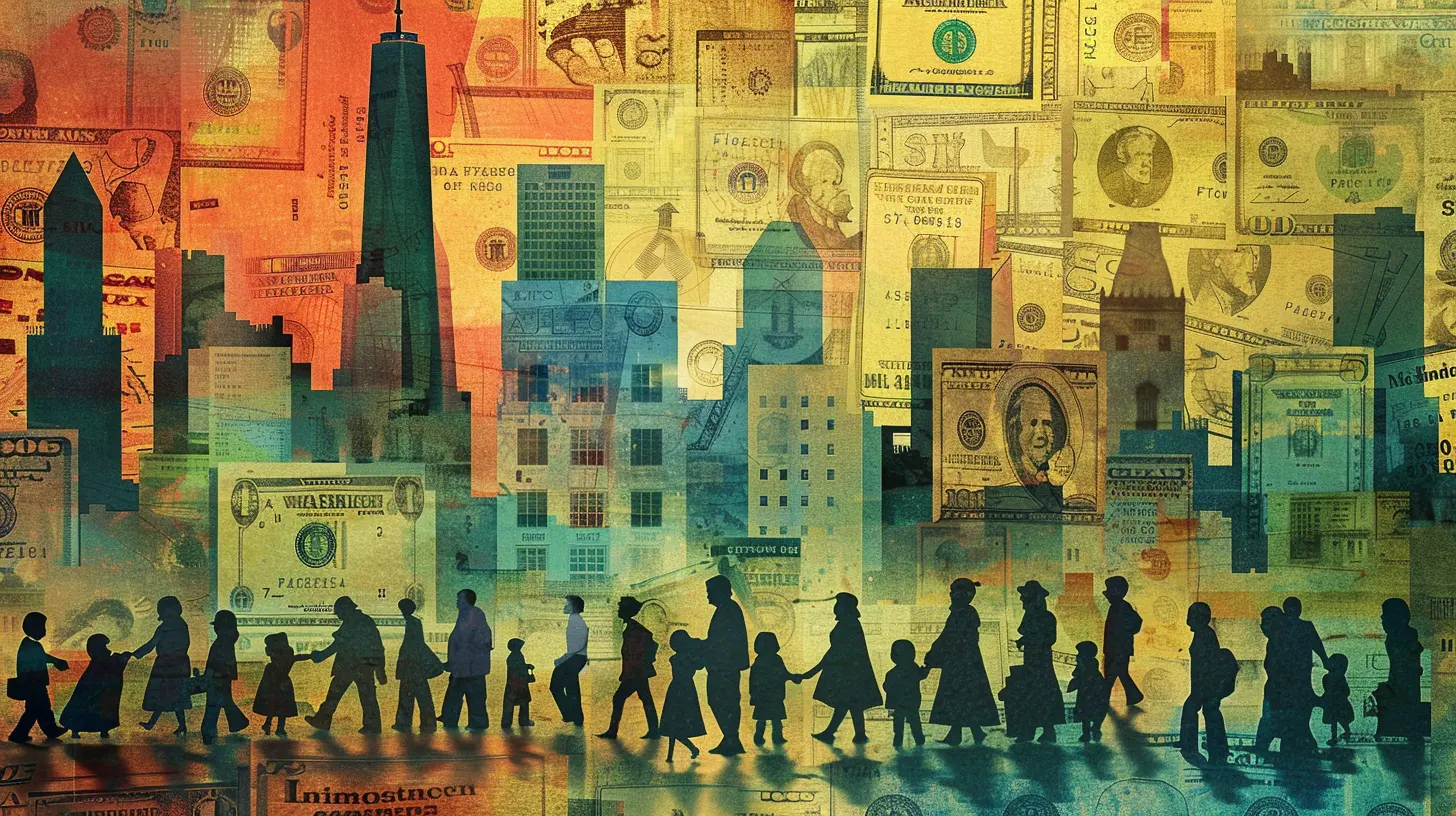
Immigration: A Double-Edged Sword?
Immigration brings people from different backgrounds, skill levels, and motivations into developed economies. Whether they're fleeing conflict, chasing better opportunities, or reuniting with family, immigrants arrive with hopes – and challenges.Economically speaking, new arrivals enter the workforce. Some take on high-skilled jobs (like in IT or medicine), while others work in low-paid sectors (like agriculture, cleaning, or hospitality). This variation adds layers to the impact immigration has on income inequality.
Let’s break this down.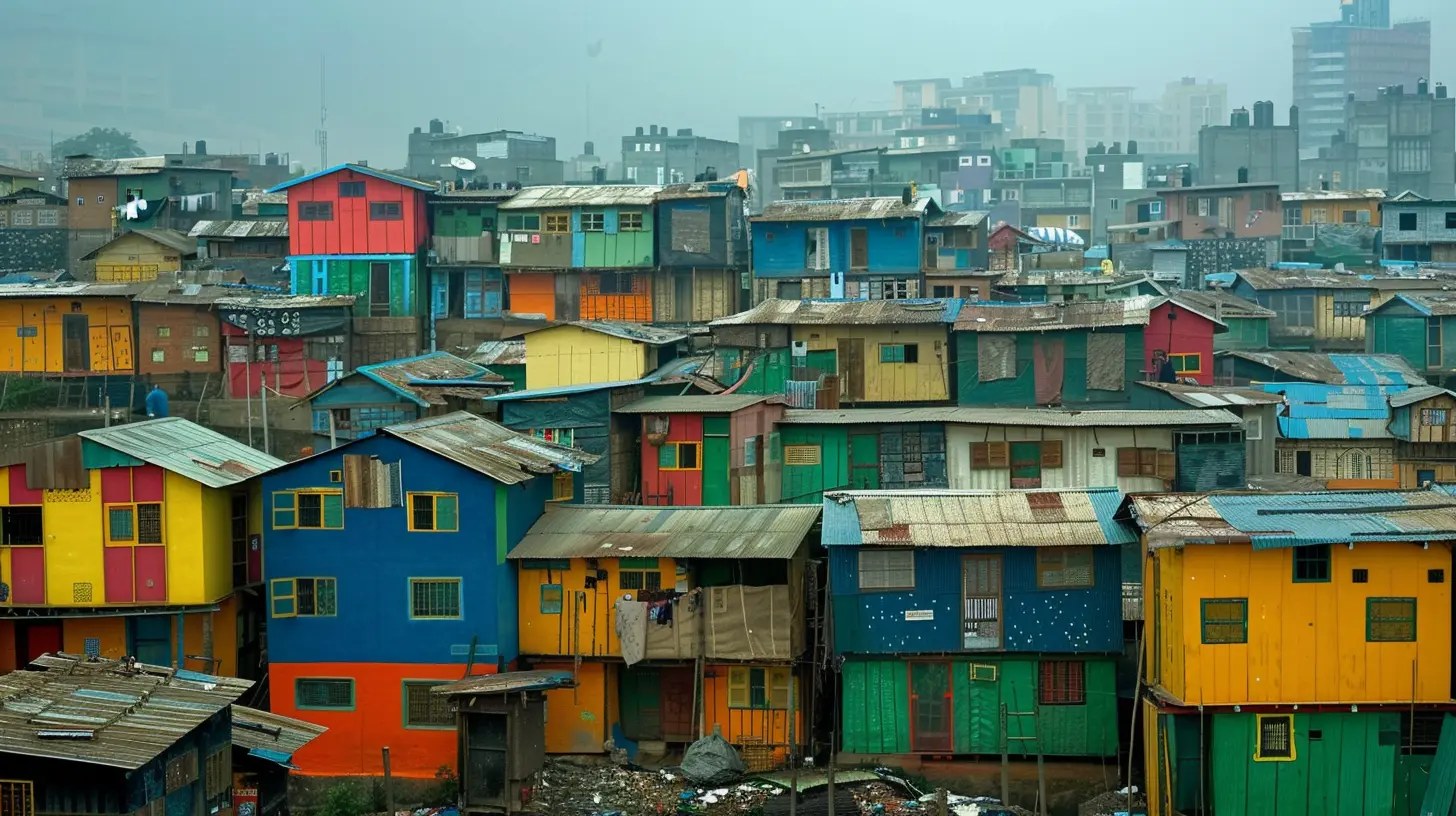
1. The Low-Skilled Labor Effect
One of the big concerns critics raise is that low-skilled immigration increases inequality. Why?Well, when a large number of low-skilled workers enter the market, they often compete for the same low-paying jobs. This can:
- Push down wages in those sectors
- Make it harder for low-income natives to find work
- Reduce bargaining power for existing workers
So yes, in the short term, low-skilled immigration can add pressure on the lower rungs of the economic ladder.
But wait – that’s just one piece of the puzzle.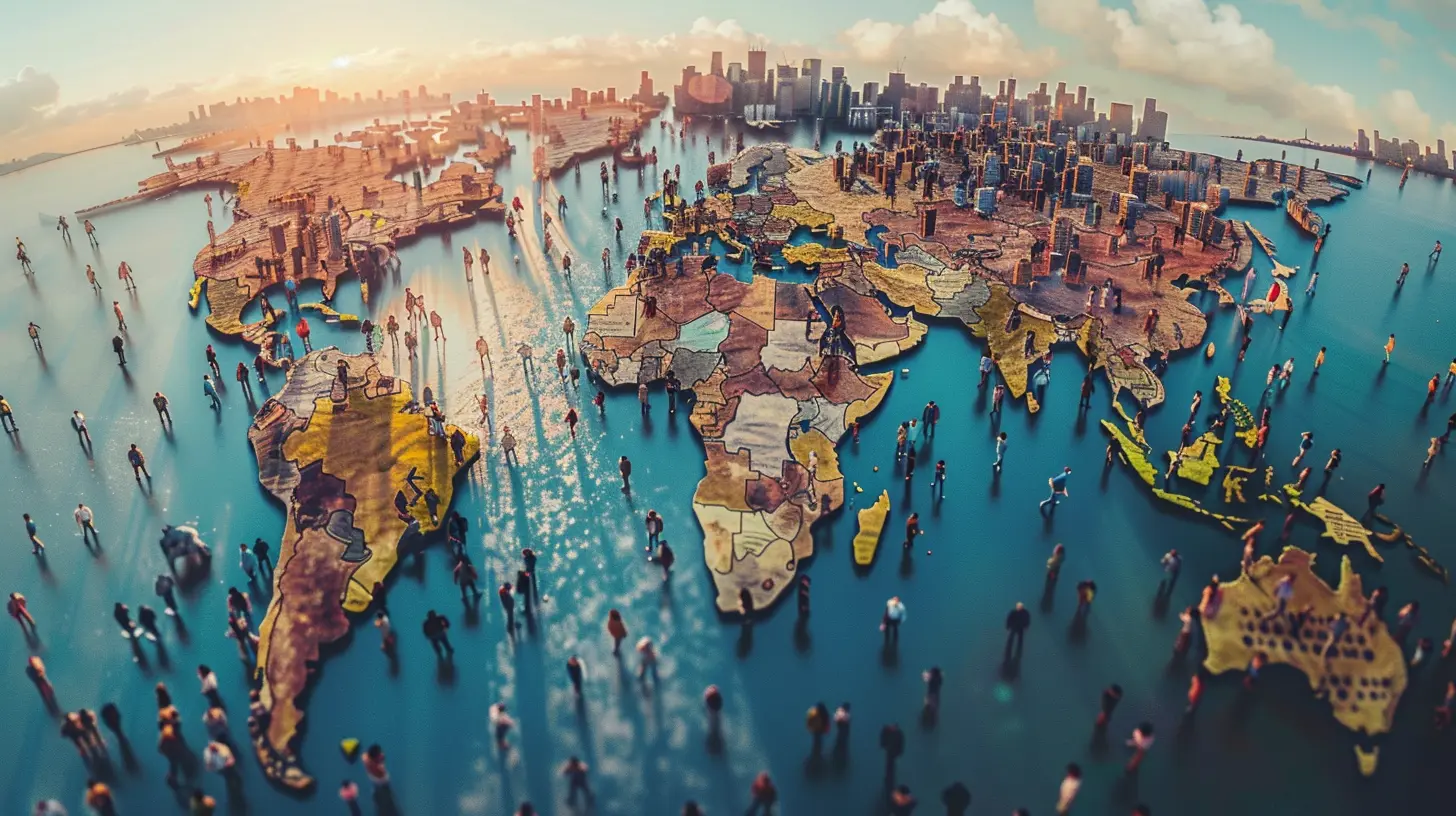
2. The High-Skilled Immigrant Boost
Now flip the coin.Many immigrants are highly educated, tech-savvy, and entrepreneurial. Think of Silicon Valley – over half of tech startups there were founded by immigrants. These folks often:
- Create jobs
- Pay higher taxes
- Fuel innovation
Their impact? Rather than widening the gap, they may actually close it by boosting productivity and creating economic opportunities.
So, depending on who’s immigrating and what kinds of skills they bring to the table, the impact can vary a lot.
3. Complement vs. Competition: Who Benefits and Who Struggles?
One way to think about immigration and income inequality is this: are immigrants complementing native workers or competing with them?If immigrants fill gaps in the labor market – doing jobs locals don’t want or can’t do – they complement. This can actually help boost wages overall. For example, a construction worker might benefit from cheaper childcare provided by immigrant workers, allowing them to work more hours or take on better jobs.
On the flip side, direct competition – especially in low-paid jobs – can strain wages and deepen inequality among the working class.
So the effect on inequality isn’t just about immigration per se… it’s about the context.
4. The Long-Term Picture: Upward Mobility and Integration
Let’s zoom out for a second.Sure, immigration might shake things up in the short term. But what about over decades?
In many developed countries, children of immigrants often outperform their parents. They go to college, land stable jobs, and climb the economic ladder. Over time, this intergenerational mobility can actually narrow inequality.
Think of it like planting a tree. The early years might be tough, but with care and time, it can grow into something strong and valuable.
That’s why integration policies – like language training, education access, and anti-discrimination laws – matter so much. They turn potential strain into long-term gain.
5. The Role of the Welfare State
Ever heard the phrase, “It’s not what you earn, it’s what you keep”? That’s where taxes and social safety nets come into play.A strong welfare state – universal healthcare, public education, unemployment benefits – can cushion the inequality caused by immigration. It redistributes income and helps lift people up.
Countries like Sweden and Germany, which have robust welfare systems, often manage to keep inequality in check even with high immigration rates. On the flip side, in places where public services are weaker, like parts of the U.S., immigration may have a harsher impact on low-income communities.
So, it’s not just about who comes into the country – it’s how the country supports them once they’re there.
6. Urban Centers: Microcosms of Inequality
Most immigrants settle in big cities – New York, London, Sydney, Toronto. These cities become melting pots, sure, but they also highlight the extremes of wealth and poverty.High demand for housing can push up rents. Wealthy professionals benefit from diverse services, while low-income workers struggle to stay afloat.
Urban policymakers need to walk a tightrope – balancing economic growth with affordable housing, access to education, and inclusive labor markets.
7. The Political Feedback Loop
Here’s something people don’t always consider: Income inequality and immigration influence politics. When people feel left behind or economically threatened, they're more likely to support anti-immigration policies.This creates a feedback loop:
- Inequality stirs resentment
- Resentment fuels political polarization
- Polarization leads to harsher immigration policies
- Harsher policies can hinder integration
- Poor integration worsens inequality
See the cycle?
Smart, inclusive policymaking can break it – but that takes effort, empathy, and trust.
8. Immigration and the Bigger Economic Picture
Let’s not forget the bigger picture here.Immigration is a response to global inequality. People move because they want a better life – often escaping poverty, war, or climate disasters. Developed countries benefit from this flow in many ways:
- Filling labor shortages
- Reversing population decline
- Bringing in fresh ideas
It’s easy to focus on the challenges immigration poses to income equality, but we shouldn’t ignore the economic value immigrants add.
When we reduce immigration to a “problem,” we lose sight of the very real human stories – and the potential for shared prosperity.
Final Thoughts: It’s Complex (And That’s Okay)
So, how does immigration impact income inequality in developed countries?Well, it depends. There’s no one-size-fits-all answer, and that’s the most honest take out there.
Yes, immigration can add pressure to low-wage sectors and widen income gaps – especially in the short term. But it can also drive long-term growth, create jobs, and reduce inequality over time through upward mobility.
It’s not about stopping immigration. It’s about getting it right:
- Invest in integration
- Support public services
- Focus on education and skills training
- Recognize the value immigrants bring
When handled wisely, immigration doesn’t have to be a cause of inequality. In fact, it can be a powerful engine of opportunity.
Think of it like tuning an orchestra. Each new instrument – each new immigrant – adds complexity. But with the right conductor and a shared purpose, the result can be harmonious.
all images in this post were generated using AI tools
Category:
Income InequalityAuthor:

Zavier Larsen
Discussion
rate this article
1 comments
Rocco McCullough
This article provides valuable insights into the complex relationship between immigration and income inequality. Understanding these dynamics is essential for effective policy-making in developed nations.
May 27, 2026 at 4:01 AM
Zavier Larsen
I appreciate your thoughts. It's crucial to explore these dynamics for informed policy decisions. Thank you for engaging with the article.