How Initial Public Offerings Shape Industry Landscapes
1 June 2026
Did you know that the moment a company decides to go public, it’s like making a grand entrance into the world of finance? That’s the power of an Initial Public Offering (IPO). It’s not just a big thing for the company itself, but it also sends ripple effects across industries far and wide. IPOs have an uncanny ability to influence trends, disrupt competition, and reshape entire markets. Let's dive in and take a closer look at how IPOs impact industries, shall we? 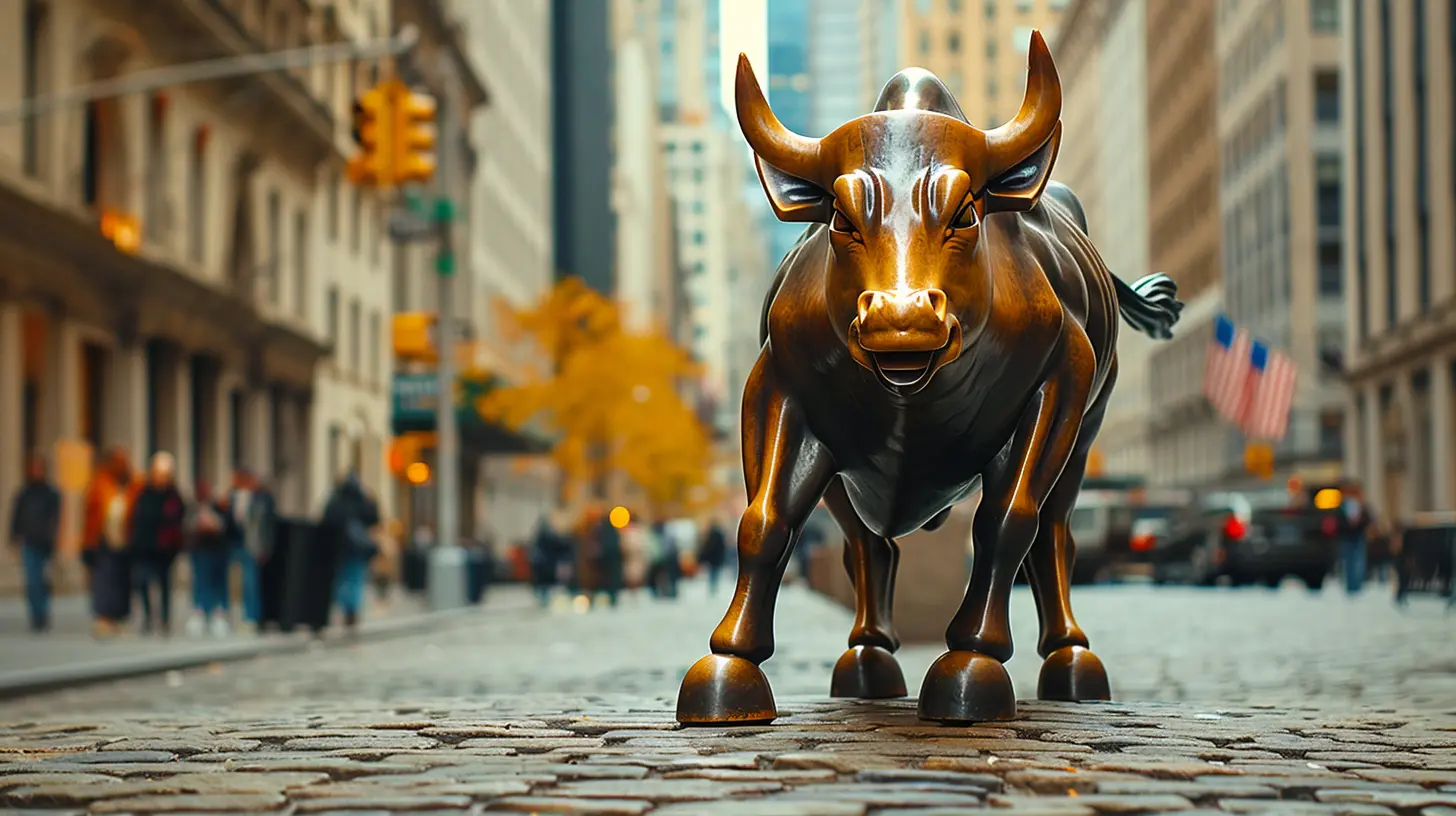
What is an IPO? Let’s Get the Basics Straight
Okay, before we splash into the deep end, let's clear the fog around IPOs. An Initial Public Offering is when a private company decides to sell its shares to the public for the first time. It’s like a debutante ball for businesses—it marks the transition from being a private entity to a publicly traded one.Why do they do it? Well, the reasons are plenty. Companies typically use IPOs to raise fresh capital, clear outstanding debts, or even give early investors a chance to cash out. But here’s the kicker: an IPO isn't just about raising money—it’s about putting a company on the map! 
A New Dawn: How IPOs Shake Up Industries
When a company goes public, the effects don’t just stop at the boardroom table. IPOs leave a mark on the industry they operate in, often setting off a chain reaction that reshapes the entire landscape.1. Raising the Bar for Competition
Think of an IPO as a spotlight—it suddenly puts a company in the limelight. Competitors can no longer ignore them. For example, when Tesla went public in 2010, it wasn’t just about electric cars anymore. The IPO forced traditional automakers to up their EV game. Now, the race toward electrification is shaping the entire automotive industry.The fact that an IPO often means more funds for the company also scares the competition. With billions in the bank (thanks to public investors), the newly public company can invest in innovation, expansion, and marketing, making it harder for rivals to keep up.
2. The Domino Effect on Valuations
Here’s something interesting—IPOs have this weird knack for resetting the benchmark for company valuations. When a big-name company goes public with a jaw-dropping valuation, it’s almost like the industry recalibrates itself.Take the tech industry, for instance. When companies like Uber and Airbnb went public, their massive valuations set new standards. Other startups started dreaming bigger. Venture capitalists began pouring more money into similar firms, hoping to create the next IPO success story.
3. Driving Innovation and Disruption
You know how pressure creates diamonds? IPOs can have the same effect on industries. When companies have to justify their valuations to investors, they double down on innovation. They simply can’t afford to stay stagnant in a fiercely competitive market.Let’s consider the healthcare sector. Companies like Moderna that went public introduced groundbreaking innovations in mRNA technology. Suddenly, the bio-tech space was buzzing with new investments, initiatives, and breakthroughs, simply because one IPO opened the floodgates.
4. Triggering Industry Consolidations
IPOs don’t just inspire competition—they also spark consolidation. Why? Because rivals might see a newly public company as a threat. Instead of competing head-on, they’d rather join forces.Look at what happened in the retail industry. Amazon’s massive growth post-IPO drove traditional brick-and-mortar stores into survival mode. Over the years, we’ve seen a wave of mergers, consolidations, and acquisitions in retail, all sparked by the sheer dominance of Amazon.
5. Boosting Investor Interest in an Industry
Here’s a fun fact: IPOs don’t just attract money to the company going public; they also attract attention—and we all know attention is currency in itself. When an IPO makes headlines, it often brings the entire industry into the spotlight.For instance, when Beyond Meat went public, it wasn’t just about them. It was a win for the whole plant-based food movement! Suddenly, investors, consumers, and even competitors began paying more attention to plant-based innovation. 
The Ripple Effect of IPO Success Stories
One successful IPO can inspire an entire generation of entrepreneurs and startups. It’s like dropping a stone in a pond—the ripples keep going.Imagine you’re a tech startup founder in Silicon Valley. When a company like Snowflake pulls off one of the biggest IPOs of the decade, that’s not just their win. It’s proof that the market values innovation, and it gives you the confidence to chase your dreams too.
And let’s not forget about investors. A major IPO success can make them eager to back similar ventures, ultimately injecting fresh energy into the industry. 
The Double-Edged Sword: Challenges of IPOs on Industries
Of course, it’s not all rainbows and butterflies. IPOs can also stir up challenges for industries.1. Overhyped Expectations
Sometimes, an IPO can set unrealistic expectations, especially if the company is overvalued. If the company doesn’t deliver on its promises, it can hurt investor confidence—not just in that company but in the entire industry.2. Increased Regulation and Scrutiny
When a company goes public, it invites a lot of eyeballs. Not just from investors, but also from regulators. If a newly public company faces scandals or legal issues, it could lead to tighter regulations for everyone in the industry.3. Market Saturation
Remember how we talked about the domino effect of IPOs? It’s not always positive. If too many companies in one industry rush to go public, it can oversaturate the market. When everyone’s trying to grab a piece of the pie, no one ends up getting a big enough slice.Industries Most Transformed by IPOs
Some industries are more susceptible to the changes brought by IPOs than others. Here’s a quick look at a few sectors that have seen major shifts:- Technology: From Facebook to Google, tech IPOs dominate headlines and often redefine the boundaries of innovation.
- Healthcare: Bio-tech IPOs bring in funding that accelerates medical advancements.
- Energy: Green energy IPOs are shaping the world’s transition to sustainable power.
- Retail and E-commerce: Companies like Shopify and Etsy have revolutionized how we buy and sell goods.
The Future of IPOs and Industry Landscapes
So, what’s next? With the rise of SPACs (Special Purpose Acquisition Companies) and direct listings, IPOs are evolving. These new methods of going public could make it even easier for companies to enter the public market, meaning industries could face even greater disruption in the future.But here’s the bottom line: IPOs aren’t just financial events—they’re cultural moments. They’re about pushing boundaries, disrupting the status quo, and inspiring both competition and collaboration.
Final Thoughts
Initial Public Offerings are like a double shot of espresso for industries. They bring in energy, excitement, and massive change. Whether you’re an entrepreneur, investor, or just an intrigued bystander, understanding how IPOs shape industries can give you a front-row seat to the economic theater of our times.So, the next time you hear about a company going public, don’t just see it as a stock market event. Think about the ripple effects. Who knows? It could be the start of a whole new chapter for the entire industry.
all images in this post were generated using AI tools
Category:
Ipo InsightsAuthor:

Zavier Larsen
Discussion
rate this article
1 comments
Blair McDowney
Initial Public Offerings are game changers. They disrupt markets, elevate startups, and shift industry dynamics. Embrace the volatility, because in this game, only the bold thrive.
June 18, 2026 at 12:40 PM
Zavier Larsen
Absolutely, IPOs can redefine industries. They offer bold companies a chance to scale and innovate, reshaping market dynamics in the process. It's all about taking calculated risks.