How Minimum Wage Laws Influence Income Disparities
3 June 2026
Money makes the world go ‘round, right? But what happens when the scale tips too far? When some pockets stay stuffed while others remain empty? That’s where minimum wage laws step in, trying to level the playing field.
Yet, these laws bring both hope and headaches. Do they really narrow the gap between the wealthy and the struggling? Or do they sometimes widen the chasm? Let’s dive deep into how minimum wage policies affect income disparities—because, let’s face it, the paycheck you bring home can shape your entire life. 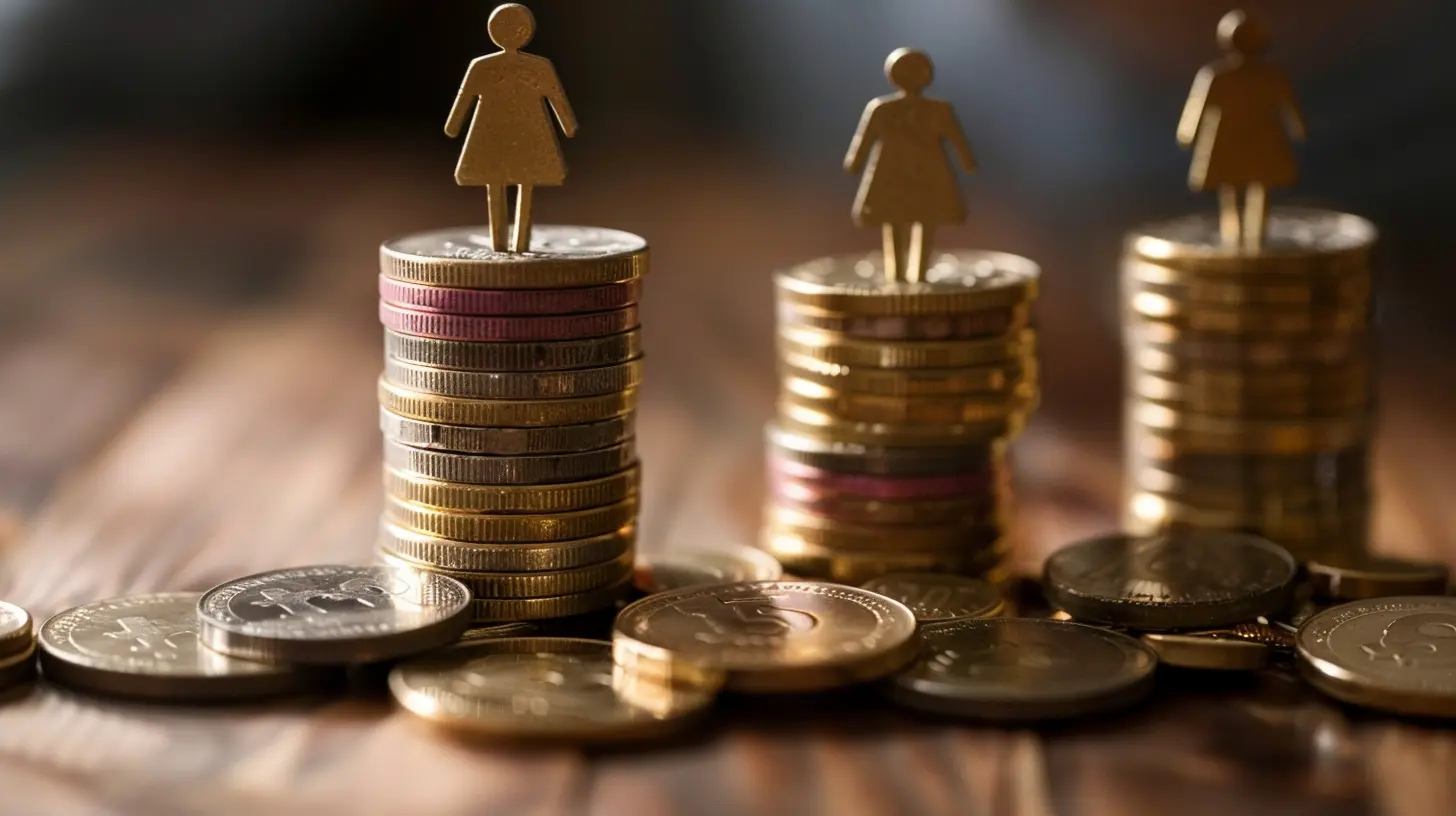
The Purpose of Minimum Wage: A Safety Net or a Trap?
Minimum wage laws are meant to be a shield—a protection against exploitation. The goal? To ensure workers earn enough to survive, if not thrive.But here’s the catch: while raising the minimum wage seems like an easy fix for low-income workers, it can sometimes backfire. Think of it like tightening a belt—pull too hard, and you might cut off circulation instead of providing support.
- On one hand, a higher minimum wage lifts people out of sheer poverty. It puts more cash in workers' hands, allowing them to cover rent, food, and basic needs.
- On the other hand, businesses might struggle to keep up, leading to layoffs, reduced hours, or even higher prices. What good is a wage hike if it leads to fewer jobs?
So, does raising the minimum wage truly shrink income inequality? Or does it create a new set of financial hurdles? 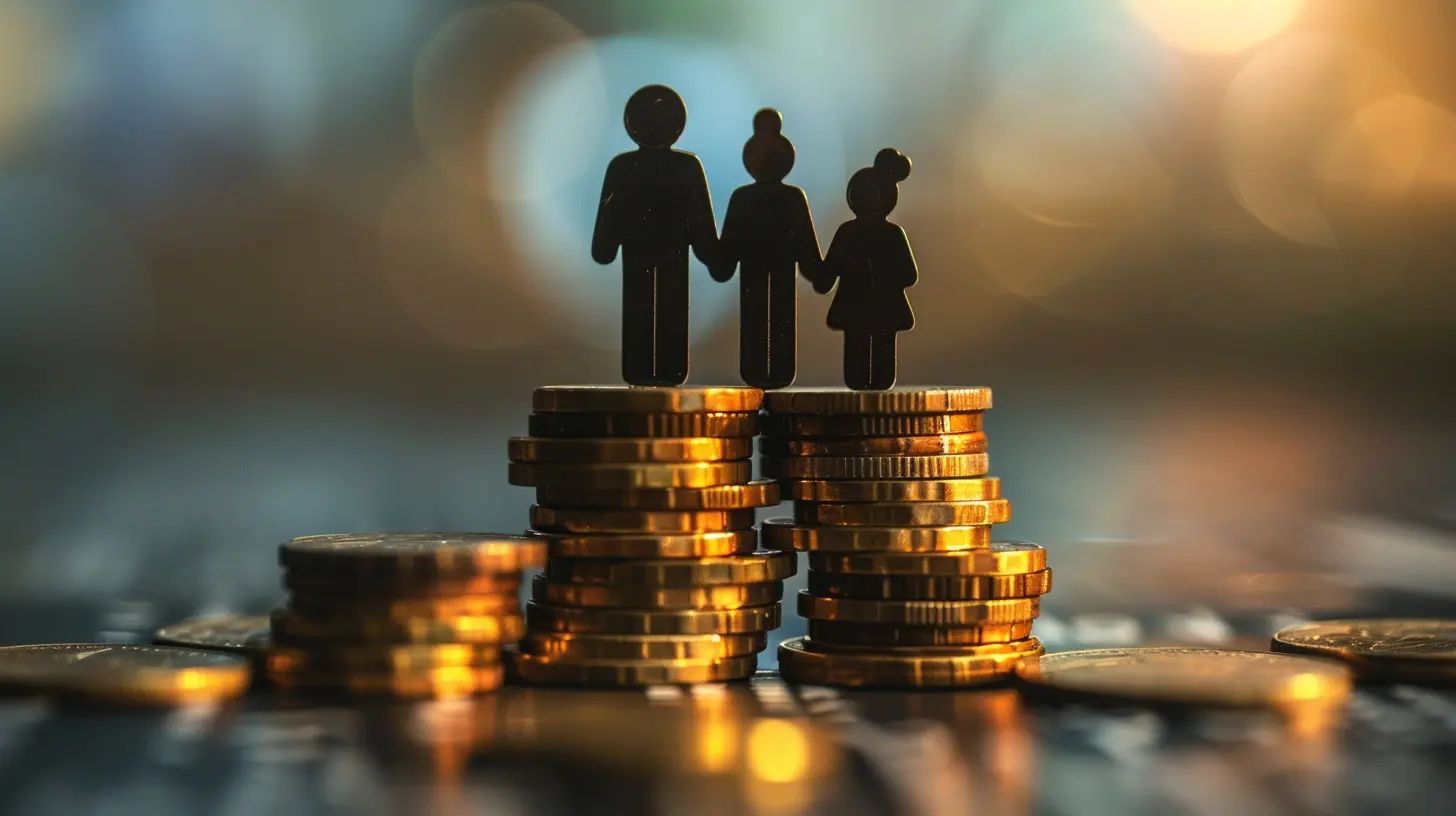
The Wage Gap: A Chasm Between Rich and Poor
Income disparities aren’t just numbers on a spreadsheet; they shape lives. In an ideal world, hard work should lead to financial security. But in reality, the wage gap between the highest earners and minimum-wage workers keeps stretching wider.- The Rich Get Richer: Higher-income employees often see regular raises, bonuses, and stock options while minimum-wage earners fight for pennies.
- The Poor Stay Struggling: Even with wage increases, inflation eats away at purchasing power. What was a decent wage five years ago might barely cover bills today.
This uneven climb forces many to work multiple jobs just to stay afloat. So, where does the minimum wage fit into all of this? 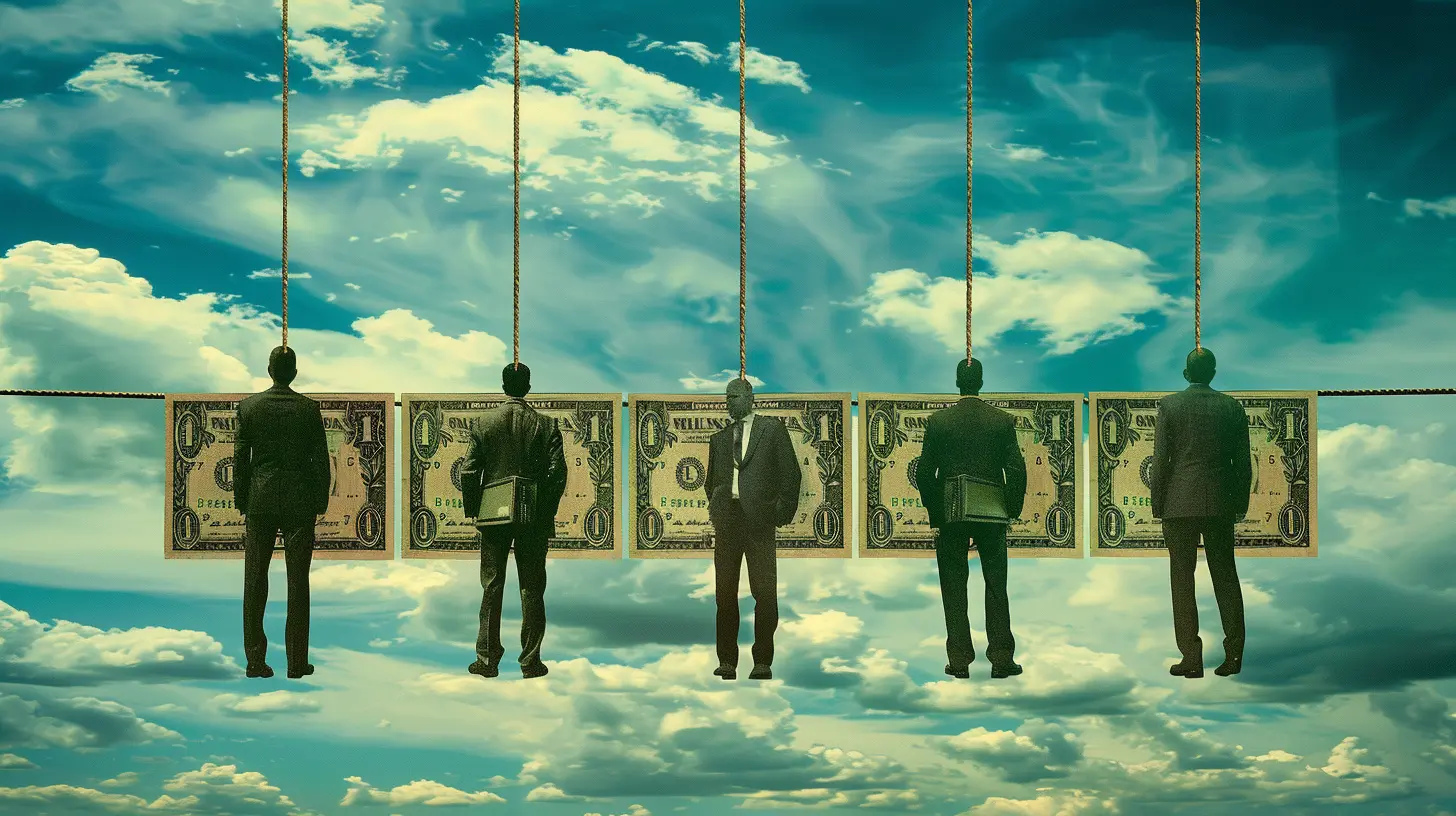
The Short-Term Boost vs. Long-Term Effects
When the minimum wage is raised, workers initially rejoice. More money in their pockets means improved living standards—right? Well, it's a bit more complicated than that.The Good:
- Higher earnings mean fewer people depend on government aid.- Workers can afford better housing, healthcare, and education.
- Employee morale improves, leading to better job performance.
The Bad:
- Small businesses might cut jobs or automate roles to offset higher labor costs.- Prices on goods and services tend to rise, canceling out the benefits.
- Some companies move jobs overseas where labor is cheaper.
The reality? What looks like a lifeline for workers can sometimes feel like running on a treadmill—higher wages, but costlier living. 
The Domino Effect on Employment
Imagine a small coffee shop struggling with rising labor costs. The owner has a choice:1. Raise prices, hoping customers will pay more.
2. Cut staff, making remaining employees work harder.
3. Reduce hours or replace workers with machines.
None of these options are ideal, but they highlight a key issue—if businesses can’t afford to hire, job opportunities shrink.
- Entry-level jobs vanish, making it harder for young workers to gain experience.
- Automation replaces human labor, with machines taking over cashier and customer service roles.
- Companies outsource jobs to countries with lower wages, reducing local employment.
And just like that, the very people minimum wage laws aim to protect end up in a tighter bind.
Does Raising Minimum Wage Always Reduce Poverty?
Here’s where things get tricky. While higher wages seem like an obvious solution to poverty, studies show mixed results.Some cities that raised their minimum wage saw a decline in poverty rates. Others noticed unemployment creeping up, particularly in small businesses and low-skill industries. It's like adjusting the thermostat—you hope for warmth, but sometimes you just overheat the room.
- Higher wages mean less reliance on welfare. This reduces government spending on programs like food stamps and housing assistance.
- But wage hikes can also reduce job opportunities. Some workers might actually lose their jobs rather than benefit from the higher pay.
So, the question remains—who truly wins when the minimum wage goes up?
The Inequality Paradox: Who Gains, Who Loses?
Not all workers feel the effects of minimum wage policies equally. While some see immediate financial relief, others find themselves out of work or stuck in underemployment.- Younger workers often struggle the most, as companies hesitate to hire inexperienced employees at higher wages.
- Small business employees might see job cuts, whereas workers at large corporations fare better.
- Low-income regions might experience more negative effects, as businesses have less financial cushion.
It’s a delicate balance, and no policy comes without trade-offs.
Global Perspectives: What’s Working Elsewhere?
Different countries take different approaches to minimum wage laws. Some enforce strict nationwide standards, while others allow regional variations.- Nordic countries emphasize collective bargaining between employers and unions rather than government-imposed minimum wages. This often leads to fairer wages without massive job losses.
- Australia has one of the highest minimum wages globally, yet a strong labor market supports it.
- The U.S. struggles with a patchwork system—some states push for higher wages, while others stick to the federal minimum, causing disparities between regions.
Looking at different economic models can offer valuable insights into how to create a fair and effective wage system.
Finding the Balance: A Better Approach?
If raising the minimum wage alone isn't a magic fix, what else can help close the income gap?- Tax incentives for small businesses to ease the burden of wage hikes.
- Stronger worker protections to prevent unfair labor practices.
- Universal basic income (UBI) as a possible supplement for low-income workers.
- Better education and job training programs to help workers move up the wage ladder.
Instead of relying on a one-size-fits-all approach, a combination of policies could create a more sustainable solution to income inequality.
Final Thoughts: More Than Just Numbers
At the end of the day, minimum wage laws aren't just about paychecks—they’re about people. The battle between fair wages and job security continues, with no perfect answer in sight.So, where do we go from here? Should we keep raising wages and hope for the best? Or should we focus on broader economic strategies to lift people out of poverty?
The conversation isn’t over, and the fight for fair pay is far from finished. Because when it comes to income disparity, every dollar—and every decision—counts.
all images in this post were generated using AI tools
Category:
Income InequalityAuthor:

Zavier Larsen
Discussion
rate this article
1 comments
Isadora Navarro
Minimum wage laws are a double-edged sword. While they aim to lift low-income workers, they can also lead to job losses or increased prices. It's crucial to balance the needs of workers with the potential unintended consequences on the economy.
June 5, 2026 at 12:02 PM
Zavier Larsen
You're right. Finding that balance is key. We need to support workers while considering the broader economic impact. It's a complex issue that requires careful thought.