How to Build a Watchlist for Day Trading Success
15 June 2026
Day trading is like sailing through a storm—you need a sharp eye, quick reflexes, and a solid plan to avoid sinking. At the heart of that plan is something so simple, yet so powerful, that it can be the difference between raking in profits and watching your account balance nosedive. That secret weapon? Your day trading watchlist.
But let me ask you this—do you just slap a few stock tickers on a list and call it a day? Or do you actually craft a watchlist tailored for success, one that gives you a serious trading edge? If it's the former... well, you’re leaving money on the table.
Let’s dive deep into the art and science of building a watchlist that doesn’t just look good—it works hard for you, every single trading day.
What is a Watchlist and Why It Matters
Imagine trying to find treasure in the ocean without a map. Sounds insane, right? That’s basically what trading without a watchlist feels like. A watchlist is your personal selection of stocks (or other assets) that you're keeping an eye on for potential trading opportunities.But it's not about quantity—it’s about quality. A good watchlist streamlines your focus. It helps you avoid information overload and hones your attention only on high-potential plays.
The Psychology Behind a Winning Watchlist
Before we get into the how, let’s talk mindset.Day trading is fast. Blink and the opportunity’s gone.
That’s why your brain needs fewer decisions to make in the heat of the moment. Decision fatigue is a real enemy. A strong watchlist reduces that mental clutter and puts you in a position to act swiftly and confidently.
So, crafting your watchlist? It’s not just mechanical. It’s strategic. It’s psychological.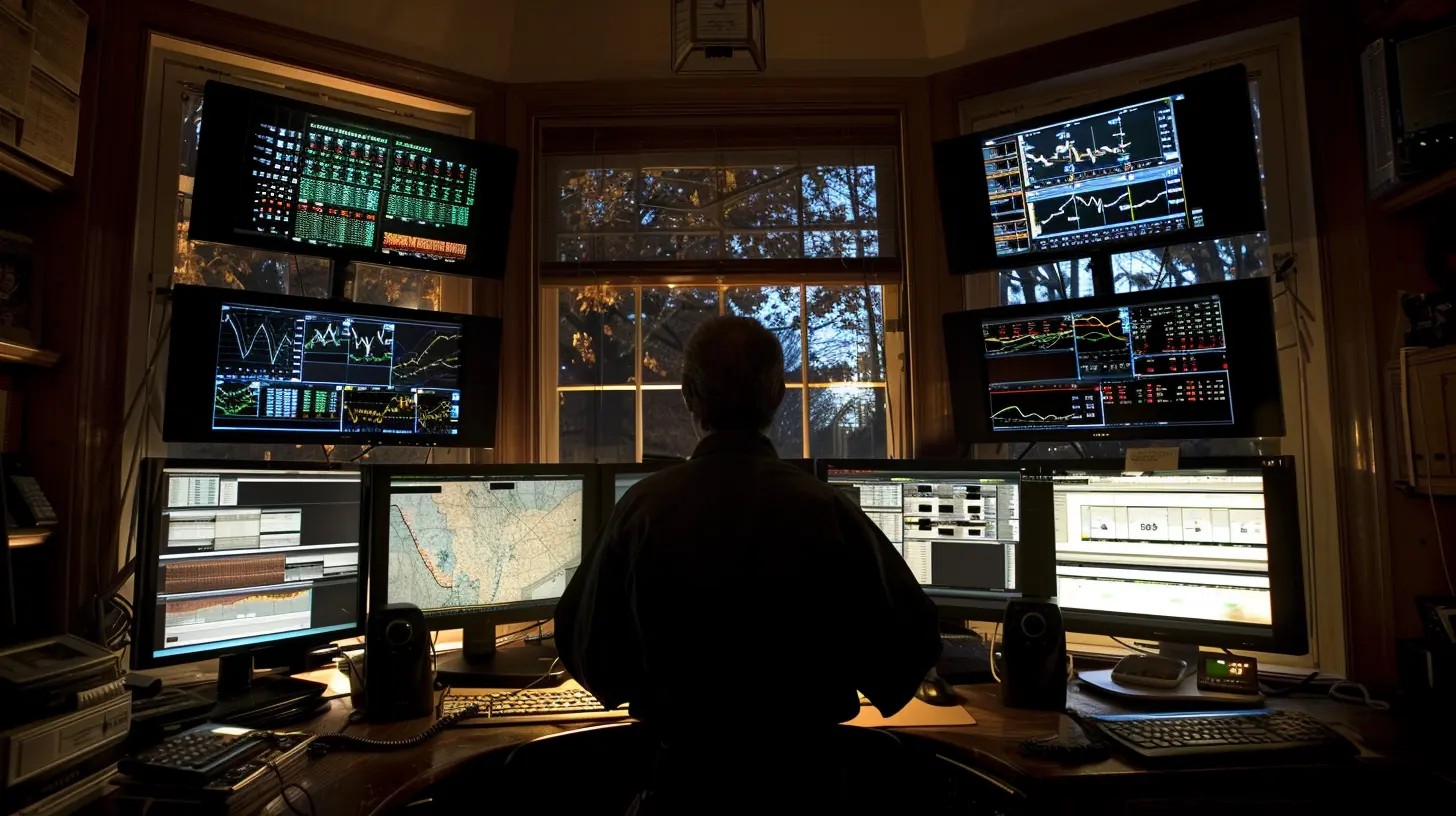
Step 1: Define Your Trading Strategy
Ask yourself: what kind of trader are you?- Do you chase breakouts?
- Are you a fan of dip buying?
- Maybe you love shorting parabolic stocks?
Your watchlist absolutely must reflect your trading style. Otherwise, you’ll find yourself watching stocks that don’t match your plan—and that’s a one-way ticket to frustration.
Let’s say you love trading momentum. Then, your watchlist should spotlight stocks with...
- High relative volume
- Breaking news or catalysts
- Strong price action
- Volatility (because remember, no volatility = no opportunity)
If you're more of a reversal trader, you're watching for stocks that are stretched—ripe for a pullback, with volume drying up or signals pointing to weakness.
Get laser-focused on what setups you actually trade.
Step 2: Use a Stock Screener (Your Best Friend)
There’s no magic unless you know where to look.Every serious day trader leans on a stock screener to fish out the juicy candidates. Tools like:
- Finviz
- Trade Ideas
- Benzinga Pro
- Market Chameleon
- Webull or ThinkorSwim built-in scanners
These platforms let you filter stocks by:
- Price range
- Volume
- Float size
- Relative volume
- Gap % (perfect for premarket plays)
- Sector
- News catalysts
Let me give you a cheat code: Look for gappers in premarket. These are stocks up significantly before the market opens—often thanks to news or earnings. Gappers attract volume, and volume attracts traders. That’s your hunting ground.
Step 3: Focus on Volume and Volatility
Repeat after me—Volume is king. Volatility is queen.Without volume, you're basically trying to sell lemonade in the middle of a deserted island. No buyers. No sellers. And no opportunity.
Start your hunt with stocks that are trading much higher volume than usual. Look for relative volume above 2x (meaning it's trading at least double its average daily volume).
Next, identify volatility. You're not here to watch a stock move five cents. You want stocks that can rip $1+ in minutes. Look at average true range (ATR), or just scan the charts for wide swings.
High volume + high volatility = prime territory for day trades.
Step 4: Limit the Noise — Keep the List Short
Here’s where most traders trip up—they add 47 tickers to a watchlist and think they’re prepared. Big mistake.Your brain can’t handle that kind of overload when the bell rings and everything starts flying.
Sweet spot? 5 to 8 tickers. No more.
This gives you room to focus, analyze, and execute without scrambling. These are your “A+ setups,” not wishful thinking plays.
If you’re scanning every 15 minutes trying to add more stocks, you’re reacting—not preparing.
Step 5: Check the Catalyst — The Why Behind the Moves
A stock doesn’t just move out of nowhere. There’s always a reason—or at least a rumor.Here’s your checklist:
- Earnings?
- Analyst upgrade/downgrade?
- FDA approval (biotech stocks love this one)
- Partnership or acquisition?
- SEC filings (like offerings or insider buys/sells)
- Sector sympathy (EV, AI, crypto—we’re looking at you)
Always know why a stock is moving. That catalyst tells you how long the move might last and how strong the momentum will be.
And remember, not all news is created equal. A small-cap penny stock announcing a new website? Weak. A mid-cap announcing record earnings with guidance raised? Strong.
Step 6: Study the Chart Before the Trade
Once you’ve got your ticker, pull up the chart. Don’t just stare at it—interrogate it.Ask:
- Where are the key support and resistance levels?
- Is it near a multi-day breakout?
- Any gaps to fill?
- Is it overextended?
Mark those levels up. Set alerts. This turns your watchlist from passive viewing to active planning.
Example: If XYZ is sitting just under $5, which was prior resistance, you might wait for that clean breakout—with volume. Now you’ve got a plan.
Step 7: Know the Float and Market Cap
You wouldn’t use a fishing pole to catch a shark, right?Same goes for trading. You’ve got to know what kind of beast you're dealing with.
- Low-float stocks (under 10 million shares) can spike fast—but they’re also wildly unpredictable. Great for quick scalps if you’ve got lightning reflexes.
- Large floats (100M+ shares) move slower but tend to be steadier and more predictable.
Market cap gives you context. Small caps move on hype. Large caps move on fundamentals.
Match your risk tolerance accordingly.
Step 8: Organize It Like a Pro
You’ve got your list—now make it work for you.Group your watchlist into segments if necessary:
- High-conviction plays (likely to trade)
- Backup plays (in case Plan A fails)
- Sector pairs or sympathy plays
Use color coding. Add notes. Highlight levels. Think of it like prepping for battle—your watchlist is your game plan, not just a random list of tickers.
Most platforms let you save multiple watchlists. Keep one for premarket, one for regular hours, and even one for swing ideas you might want to scalp.
Step 9: Review and Refine Daily
Your watchlist should never be static. The market moves, and so should you.Every morning, re-evaluate:
- Is the news still relevant?
- Did volume drop off?
- Did the stock already make its move?
Scrap the dead weight. Add fresh setups. Be ruthless.
After the close, review what worked. Ask yourself:
- Was the setup clean?
- Did it behave like expected?
- Was the price action tradable?
This feedback loop sharpens your edge day by day.
Step 10: Don’t Let FOMO Hijack Your Watchlist
Big one here.Your watchlist is your plan. Don't ditch it just because you saw a stock trending on Twitter or a YouTuber hyped something mid-morning.
Chasing random plays is trading suicide.
Stick to your setup. Trust your process. Your watchlist is your compass—if you throw it out, you’re just wandering in the dark.
Bonus Tips to Turbocharge Your Watchlist Strategy
Want to go beyond the basics? Here’s some secret sauce:- Use Alerts: Set price alerts so you don’t have to constantly watch every chart.
- Follow the Smart Money: Tools like unusual options activity can show where big players are placing bets.
- Track Watchlist Performance: Log your ticker picks and rate them after close. You’ll start seeing patterns on what works best.
- Build Multiple Watchlists: A momentum list, news catalyst list, earnings list, and swing list. Keep 'em separate to stay organized.
Conclusion: Turn Your Watchlist into a Weapon
If you take one thing away, let it be this—your watchlist is not optional. It’s essential.Done right, it’s more than a list. It’s your daily war room. Your edge. Your mental clarity in the chaotic battlefield of the market.
So stop throwing together random tickers. Take 20–30 minutes each morning, plan your setups, know your levels, know the stock’s story—and set yourself up to win.
Because day trading isn’t a game of chance. It’s a game of preparation.
And the prepared trader? They win.
all images in this post were generated using AI tools
Category:
Day Trading BasicsAuthor:

Zavier Larsen
Discussion
rate this article
1 comments
Ulrich McVicker
Building a watchlist is crucial for day trading success. Focus on liquidity, volatility, and relevant news to enhance decision-making. A well-curated list can significantly improve trading outcomes.
June 19, 2026 at 2:28 AM
Zavier Larsen
Absolutely, a focused watchlist can make all the difference. Prioritizing liquidity and current events is key to making informed trades. Thank you for your insights!