How to Future-Proof Your Finances Before a Recession Hits
4 July 2026
Let’s face it—talk of a looming recession is enough to get anyone’s nerves rattled. Headlines scream “economic downturn,” and suddenly, everywhere you turn there's that sinking feeling: What if I lose my job? What happens to my savings? Will I be okay?
Here's the thing: while we can't control the economy, we can control how well-prepared we are for whatever it throws our way. Think of future-proofing your finances like putting on a raincoat before the storm hits. Sure, you might still get wet, but at least you’ll avoid getting soaked to the bone.
So, how do you actually recession-proof your wallet before things go south? Grab a coffee—this is going to be a deep dive into smart money moves that will give you peace of mind when the economy takes a nosedive.
What Does “Future-Proofing Your Finances” Even Mean?
Before we jump into the “how,” let’s clarify the “what.”Future-proofing your finances isn’t just about stockpiling cash in a jar (although more on that later). It’s about building a solid, flexible financial foundation that can ride out the bumps, dips, and full-on potholes the economy throws your way. Think of it like an all-weather shelter for your money—built to withstand anything from a drizzle to a financial hurricane.
Understand Where You Stand First
Take Inventory of Your Financial Health
You wouldn't fix a leaky roof without first checking where the water’s coming from, right? Start with a full diagnostic of your current financial situation:- List all your income sources
- Track monthly expenses (yes, even those Amazon late-night impulse buys)
- Note your assets (house, car, savings)
- Log your liabilities (credit card debt, student loans, mortgage)
Once you’ve got everything laid out, you’ll have a roadmap to work from. And trust me, it’s a lot easier to patch holes when you know where they are.
Build (or Beef Up) Your Emergency Fund
Why It’s Non-Negotiable
If there’s one thing you absolutely must do before a recession hits, it’s this. Emergency funds are like the airbags in your financial car—useless until you need them, but lifesaving when you do.Aim to stash away 3–6 months' worth of essential expenses. That includes rent or mortgage, groceries, utilities, insurance, and debt payments—not Netflix and Grubhub.
Can’t Save That Much Yet?
Start small. Even $500 or $1,000 can be a game-changer in an emergency. Set up automatic transfers to a high-yield savings account so it grows quietly in the background. Think of it like planting a tree—the best time was yesterday, the second-best time is right now.
Slash Unnecessary Expenses Now (While You Still Can)
Recession or not, trimming the fat from your budget is never a bad idea. Let’s be real—there’s probably stuff you’re paying for that you don’t even use.Take a magnifying glass to your monthly spending:
- That gym membership you haven’t used since January? Cancel it.
- Subscriptions you forgot about? Ax ’em.
- Daily $7 coffees? Make it at home half the time.
Small cuts add up. And the less financial baggage you're carrying when things get tight, the easier it'll be to stay afloat.
Diversify Your Income Streams
Don’t Rely on One Source
If your job is your only source of income, you're walking a financial tightrope with no net underneath. Recessions often come with layoffs, hiring freezes, and pay cuts. Having a backup—or better yet, multiple income streams—can be your safety net.Here are some ways to diversify:
- Freelancing or consulting in your field
- Starting a side hustle (Etsy store, tutoring, etc.)
- Investing in dividend-producing assets
- Monetizing a hobby (hello, YouTube and TikTok creators)
Passive income is the holy grail, but even active side gigs can buffer the blow in hard times. Think of it like having multiple oars in your financial canoe—if one breaks, you're not stranded.
Pay Down High-Interest Debt
Especially Credit Cards
Nothing drains your finances faster than high-interest debt. When the economy tightens, interest rates can climb—and so can your monthly payments.Target your highest-interest debts first. Use strategies like:
- The avalanche method (paying off highest interest first)
- The snowball method (smallest balances first for quick wins)
- Balance transfers (if you qualify for 0% APR deals)
Whatever method you choose, just start. The less you owe, the more breathing room you'll have if income drops.
Recession-Proof Your Investments
Don’t Panic—But Do Prepare
A recession doesn’t mean you need to pull all your money out of the market. Timing the market almost never works, and you could miss the rebound by sitting on the sidelines.Instead:
- Reassess your risk tolerance—are you diversified?
- Shift some assets into safer havens (bonds, dividend stocks, etc.)
- Keep contributing to retirement accounts (dollar-cost averaging smooths out volatility)
- Avoid emotional investing—leave the drama to TikTok, not your portfolio
Think long-term. Remember: stocks go down during recessions… and they go back up afterward.
Keep Your Skills Sharp
Invest in Yourself
Your earning power is one of your most important assets. And in a tough job market, being versatile, up-to-date, and in-demand can be your golden ticket.- Take online courses
- Build certifications relevant to your industry
- Network and stay active on platforms like LinkedIn
- Consider learning a complementary skill (marketing + coding? Power duo.)
Even if layoffs happen, being able to pivot quickly into a new job—or field—can keep your cash flow steady and your financial anxiety low.
Reevaluate Insurance Coverage
Protect What You Can’t Afford to Lose
Insurance might feel like one of those "nice-to-haves," but in reality? It’s a recession warrior's secret weapon.Check your:
- Health insurance (a medical emergency during a recession = disaster without it)
- Auto and home insurance—make sure coverage is adequate
- Life and disability insurance—especially if someone depends on your income
You're not trying to be overly cautious here; you're just avoiding the financial equivalent of walking a tightrope without a harness.
Strengthen Your Credit Score
Your Financial Safety Pass
A strong credit score gives you more options. Whether it's a line of credit, refinancing loans, or even landing a new job, your score matters more than you think—especially when banks get stingy during recessions.Here’s how to boost it:
- Pay bills on time (set automatic reminders if you need to)
- Keep credit utilization below 30%
- Don’t close old accounts unless absolutely necessary
- Check your credit report for errors (free at annualcreditreport.com)
A robust credit score is like having VIP access to financial opportunities—why wouldn’t you want that during tough times?
Stay Calm, Stay the Course
Last but not least, remember this: recessions are scary—but they’re also temporary. The economy always cycles. What goes down eventually comes back up.Future-proofing your finances now is like planting seeds for a garden you’ll one day be grateful for. You might not prevent the storm, but you’ll weather it stronger, wiser, and probably even a little richer (or at least less broke).
Final Thoughts
Recessions can feel like financial earthquakes—shaking up your comfort zone and testing your stability. But just like buildings are retrofitted to withstand tremors, your finances can be too.Build a sturdy foundation. Trim the excess. Diversify your income. Protect your assets. And most importantly, trust yourself. You’re more capable than you think.
The next time you hear someone whispering about a recession, you’ll nod, sip your coffee, and smile—because you’re already ten steps ahead.
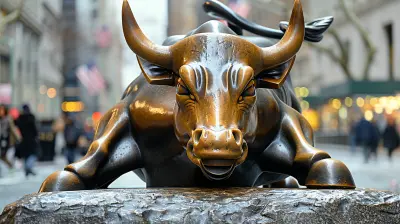
all images in this post were generated using AI tools
Category:
Recession PreparationAuthor:

Zavier Larsen
Discussion
rate this article
1 comments
Finnian McVey
Stop waiting for the storm. Act now and build your financial fortress before the recession knocks.
July 10, 2026 at 3:12 AM
Zavier Larsen
You're right. Taking action now is crucial for financial security. Thanks for the reminder!