Is It Time to Sell Stocks Before an Economic Decline?
14 June 2026
The stock market is a rollercoaster—one day you're up, the next you're down, and sometimes, it feels like you're upside down in the middle of a loop. When whispers of an economic downturn start circulating, many investors panic and wonder: Should I sell my stocks before the market crashes?
It's a tricky decision, one that can mean the difference between securing your wealth or watching it evaporate like a puddle on a hot summer day. Let's break it down and see if pulling the trigger on a stock sell-off is a smart move—or a knee-jerk reaction you'll regret.

Understanding Economic Declines: What's the Big Deal?
Economic downturns are a natural part of the financial cycle. They come in different flavors—recessions, depressions, slowdowns—but they all share one common trait: uncertainty.A recession, for example, is typically defined as two consecutive quarters of declining GDP. But by the time the official “recession” label is slapped on, markets have often already taken a hit. That’s why investors scramble to act before the worst happens.
But here's the kicker—predicting a downturn is like trying to time the housing market perfectly. Sure, some analysts make good calls now and then, but even the smartest minds on Wall Street struggle to get it right consistently. So, should you sell your stocks before a potential economic storm? Let’s weigh the pros and cons. 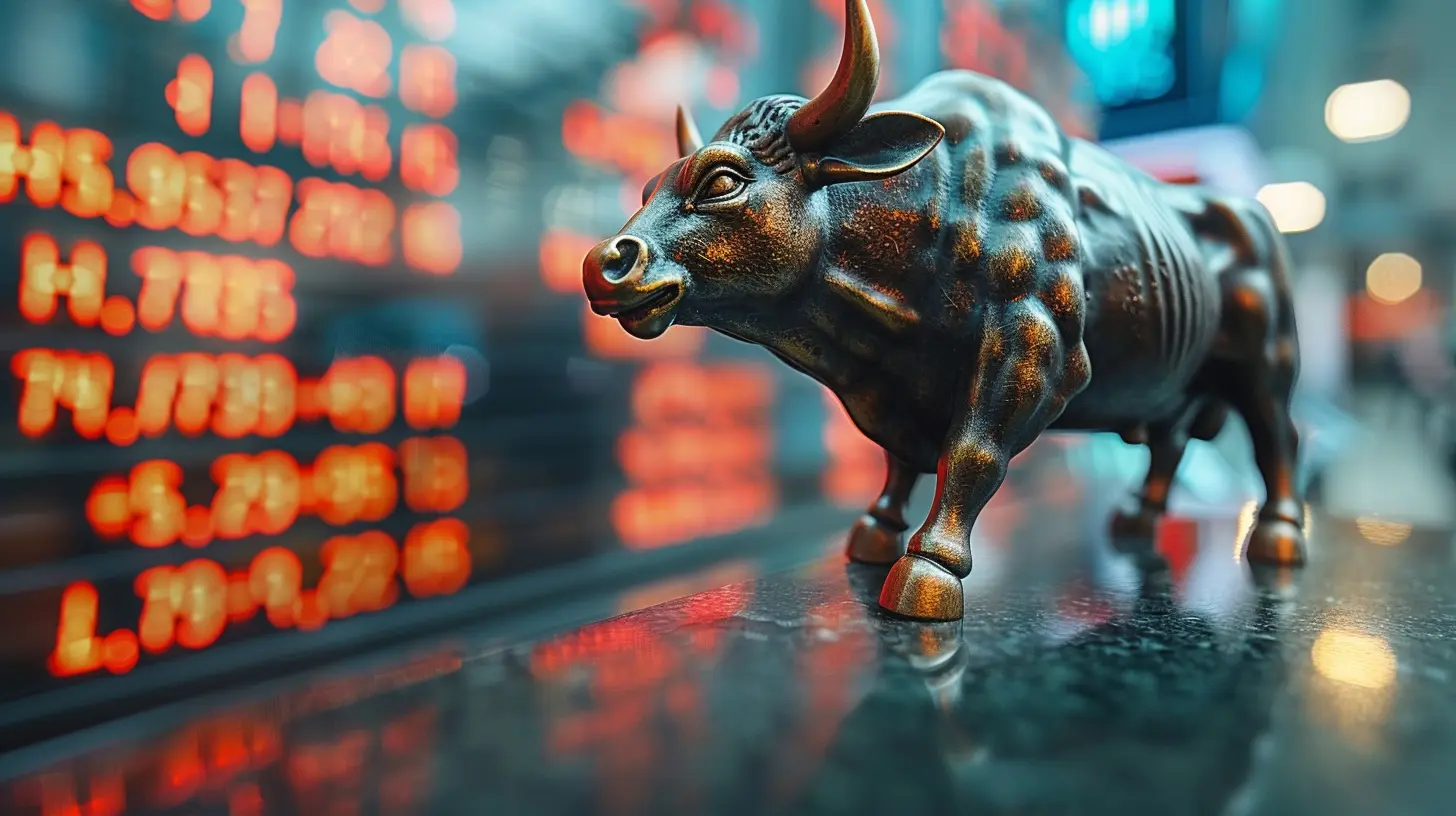
Reasons to Sell Stocks Before a Market Crash
There are valid arguments for cashing out before the market takes a nosedive. Let’s take a look at why selling might make sense.1. Protecting Your Hard-Earned Money
No one likes losing money, period. If you see clear signs of economic trouble—sky-high inflation, rising unemployment, or a Federal Reserve that’s aggressively hiking interest rates—there's a case to be made for selling.Getting out early can protect your portfolio from steep losses. After all, cash is king in uncertain times, and sitting on the sidelines with liquid assets gives you the flexibility to buy back in when prices stabilize.
2. Avoiding the Emotional Rollercoaster
Market crashes are emotionally draining. One day, you're watching your portfolio shrink at an alarming rate, and the next, analysts are debating whether it's the next Great Depression. If you’re someone who loses sleep over stock market swings, selling before the downturn might save you a lot of stress.3. Opportunity to Reinvest at Lower Prices
There's an old saying in investing: Buy low, sell high. If you believe a crash is inevitable, selling now means you can reinvest when prices are lower. This strategy—often referred to as "market timing"—can be lucrative if executed correctly.But (and this is a big but) timing the market correctly is nearly impossible. Many who attempt it end up sitting on the sidelines too long, missing the recovery and losing out on long-term gains. 
Reasons You Shouldn’t Panic Sell
While selling before an economic downturn might sound like a smart defensive move, history tells us that sticking it out often leads to better returns. Here’s why you might want to think twice before hitting that sell button.1. Markets Bounce Back—They Always Do
Every crash in history has been followed by a recovery. Some take longer than others, but over the long haul, markets tend to move upward. If you panic sell, you might end up sitting in cash while the market rebounds, missing out on massive gains.Take the 2008 financial crisis—investors who held onto their stocks saw their portfolios recover and grow tremendously in the years that followed. Those who sold at rock-bottom prices? Well, they locked in their losses forever.
2. The Problem with Market Timing
Guessing when to sell and when to buy back in is like trying to catch a falling knife—it rarely ends well. Studies have shown that missing just a few of the best-performing days in the market can drastically reduce your long-term returns.Take this stat, for example: If you were fully invested in the S&P 500 from 1990 to 2020, you’d have an average annual return of around 7-8%. But if you missed the market’s 10 best days during that period? Your returns would drop significantly.
3. Dividends Keep Paying—Even in Down Markets
If you own dividend-paying stocks, selling before a downturn means missing out on those sweet, sweet payouts. Many solid companies continue paying (or even raising) dividends even in tough times. That’s passive income that could help cushion the blow of an economic downturn.
So, What’s the Smart Move?
If you’re truly worried about an economic decline, here are some steps to take instead of dumping all your stocks in a panic.1. Reassess Your Portfolio
Not all stocks are created equal. Tech stocks and speculative investments tend to get crushed during downturns, while defensive stocks (think healthcare, utilities, and consumer staples) hold up better.Rebalance your portfolio to include more stable, recession-resistant holdings if you're feeling nervous.
2. Have an Emergency Fund
One of the biggest reasons people panic sell is because they’re afraid they’ll need cash. Having a solid emergency fund (three to six months of expenses) can provide peace of mind and prevent you from selling stocks at the worst possible time.3. Dollar-Cost Averaging Still Works
If you're a long-term investor, sticking to a dollar-cost averaging strategy—investing a fixed amount regularly regardless of market conditions—can be a game changer. It ensures you keep buying stocks even when prices are low, maximizing your long-term returns.4. Consider Hedging Strategies
If the thought of staying invested during a downturn makes you anxious, consider hedging your bets with defensive assets like gold, bonds, or even options strategies. While not foolproof, these can help reduce risk while keeping you in the game.Final Thoughts: Sell or Stay the Course?
There’s no one-size-fits-all answer. If you're in the stock market for the long haul, history suggests staying invested is usually the right move. However, if you're nearing retirement or have short-term financial needs, reducing risk might be a wise decision.Ultimately, reacting to fear rarely leads to good investment decisions. Instead of panic-selling, take a deep breath, analyze your situation, and make strategic, level-headed choices. The stock market isn’t going anywhere—but your wealth just might if you let emotions take over.
all images in this post were generated using AI tools
Category:
Recession PreparationAuthor:

Zavier Larsen
Discussion
rate this article
1 comments
Miranda Burton
Timing the market is often a gamble. While instinct suggests selling before a downturn, consider the long-term potential of your investments. Fear can lead to hasty decisions, but patience and analysis may reveal opportunities hidden in uncertainty.
June 17, 2026 at 3:08 AM
Zavier Larsen
You make a great point. Keeping a long-term perspective can often help navigate market fluctuations more effectively than reacting out of fear.