Mastering the Art of Cash Flow Forecasting
5 February 2026
Let’s get one thing straight—cash flow forecasting isn’t just some fancy finance term reserved for Wall Street wizards. It’s actually one of the most powerful tools you can use to keep your business in the green and out of the red. Whether you're a seasoned entrepreneur, a savvy side hustler, or someone who’s just starting to flirt with numbers, understanding how to master cash flow forecasting can be your financial game-changer.
So grab your coffee (or whatever makes your brain tick), and let's dive into this not-so-scary world of money movement, profits, and planning.
What is Cash Flow Forecasting, Anyway?
Imagine your business as a car. Cash flow forecasting? That’s your GPS. It tells you where your money’s coming from, where it’s going, and what your financial destination looks like down the road.In plain English: cash flow forecasting is the process of predicting how much money will flow into and out of your business in the future. It's like looking into a crystal ball, except it's based on numbers—not magic.
Why Should You Care About Cash Flow Forecasting?
Let’s be real. Running a business without a cash flow forecast is like flying blindfolded. You might survive, but chances are you’ll crash and burn. Here's why you should care:- Avoid nasty surprises: Imagine finding out you can’t make payroll next week. Yikes.
- Plan for growth: Want to expand, hire, or invest? You’ll need to know if you can afford it.
- Manage cash crunches: Timing is everything. Revenue might be coming, but too late to cover next month’s bills.
- Make smarter decisions: With clarity, you can prioritize what matters most.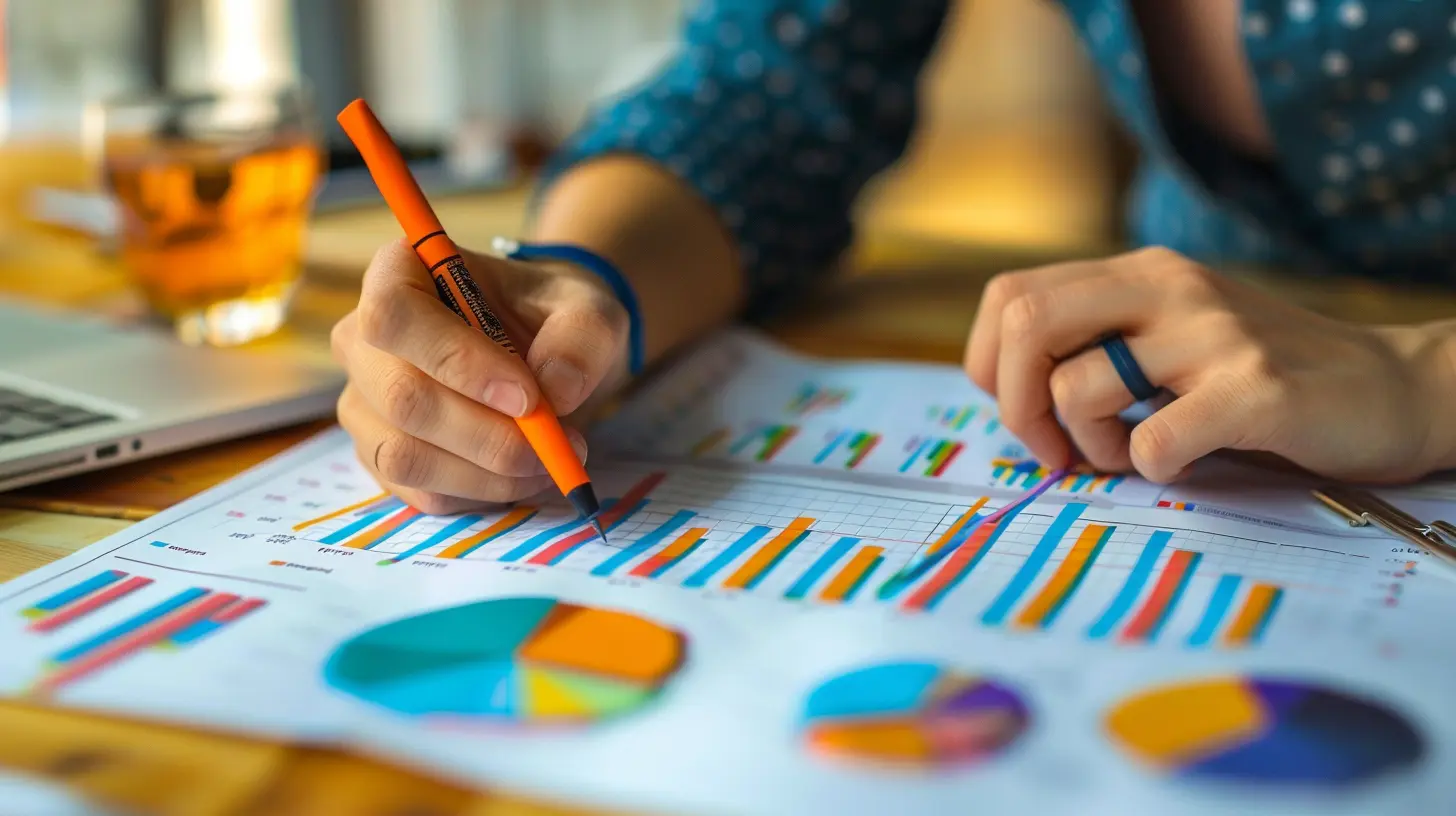
Okay, But What Goes Into a Cash Flow Forecast?
Think of a cash flow forecast like a recipe. You need the right ingredients and measurements to avoid a financial kitchen disaster.1. Cash Inflows
This is all the money coming in. Picture it as your business’s income stream. Some examples include:- Sales revenue
- Investment income
- Customer payments
- Loans or funding
- Tax refunds
2. Cash Outflows
Now, this is all your spending. These expenses could include:- Rent or mortgage
- Utilities
- Payroll
- Inventory purchases
- Loan repayments
- Taxes
The formula? Cash Inflows - Cash Outflows = Net Cash Flow
How Long Should You Forecast For?
Great question! The answer depends on your goals.- Short-term (weekly/monthly): Perfect for managing immediate expenses like payroll or bills.
- Medium-term (quarterly): Best for spotting trends and making tactical decisions.
- Long-term (annually): Ideal for strategic planning, like expansions and big moves.
Tip: Most small businesses benefit from a 12-week rolling forecast. It’s short enough to be flexible, but long enough to plan.
The Simple Step-by-Step Cash Flow Forecasting Process
Let’s break it down like a recipe card—easy, digestible, and totally doable.Step 1: Look Back to Look Ahead
Start with historical data. If your business has been around for at least a few months, grab those past financials.- Which months had high sales?
- Were there any seasonal shifts?
- What did you spend the most on?
This gives you a solid starting point.
Step 2: Estimate Your Cash Inflows
Be realistic. Overestimating future sales is like buying skinny jeans two sizes too small—it’s wishful thinking.- Break it down by week or month.
- Factor in late payments and obligations.
- Don’t forget non-sales cash sources (like grants or loans).
Step 3: Estimate Your Cash Outflows
This one’s usually easier. You’ve got fixed costs (like rent) and variable ones (like supplies).- List every single regular expense.
- Include one-time costs (like equipment upgrades).
- Build in a buffer for unexpected surprises.
Step 4: Crunch the Numbers
Now, plug those inflows and outflows into a spreadsheet (or use budgeting software). Subtract outflows from inflows to get your net cash flow.Are you positive or negative?
If it’s negative—don’t panic yet! That’s the whole point of forecasting: catching it before it happens.
Step 5: Take Action Based on the Data
Here’s where the magic happens.- Got extra cash? Maybe invest in growth!
- Running short? Time to cut costs or chase late payments.
- Big expenses coming up? Build up reserves now.
Forecasting isn’t just a report—it’s a decision-making tool.
What Tools Can Help You?
You don’t need a finance degree or a high-end CFO to create a great forecast. Here are a few tools that make it easy:- Excel or Google Sheets: Customizable and free. Great for small businesses.
- Software like QuickBooks, Float, or Xero: These automate a lot of the heavy lifting.
- Templates: Plenty are available online. Just fill in your numbers and you’re good to go.
Choose what works for your brain. If spreadsheets make your heart sing, go for it. If you’d rather automate, software might be your best friend.
Pro Tips to Make Your Forecast Even Better
Forecasting isn’t a one-and-done deal. It’s a living, breathing document. Here’s how to keep it fresh and useful:✅ Update it regularly
Check in weekly or bi-weekly. The more current your data, the more accurate your plan.✅ Be conservative
It’s better to underestimate income and overestimate expenses. That way you’re always prepared.✅ Watch for trends
Is your cash flow always tight around the 15th of the month? Use that info to plan smarter.✅ Don’t forget taxes
Set money aside regularly for taxes so they don’t sneak up and bite you.Common Cash Flow Forecasting Mistakes to Avoid
Even the pros slip up sometimes. But if you’re armed with awareness, you can dodge these rookie errors:🚫 Counting revenue before it hits your bank account: Just because a customer says they’ll pay doesn’t mean the money’s there yet.
🚫 Forgetting seasonal dips: If your sales slow down every August, plan for it.
🚫 Ignoring one-time costs: Those software renewals and equipment upgrades can be brutal if you don’t plan ahead.
🚫 Not adjusting forecasts: The market changes. So should your forecast.
The Psychology Behind a Good Forecast
Here’s a trick: a forecast isn’t just a financial tool—it’s a mindset shift. It gets you thinking long-term, being proactive, and owning your numbers. That kind of mental clarity can decrease financial stress and give you the confidence to make bold (and smart) decisions.It’s like going from “I hope I make it this month,” to “I’ve got this.”
Still Feeling Overwhelmed? Start Small.
Hey, no shame here. Forecasting can feel intimidating at first. But the trick is just to start. You don’t need to build a financial fortress overnight. Begin with one month. Track your income and expenses. See how close you can get.Each month, you’ll get better. More accurate. More confident.
Before you know it, you'll be forecasting like a boss.
Final Thoughts: Forecasting is Your Business Superpower
Mastering the art of cash flow forecasting isn’t about being perfect—it’s about being prepared. It gives you the power to see around corners, anticipate bumps, and navigate your business with confidence.So stop fearing the spreadsheet. Embrace it. Turn it into your secret weapon. Because when you know your cash flow, you know your power.
Remember, money isn’t just numbers—it’s your story, your vision, your hustle. Forecasting just keeps the plot from taking a twist you didn’t see coming.
Now go crunch those numbers, future financial wizard.
all images in this post were generated using AI tools
Category:
Cash Flow ManagementAuthor:

Zavier Larsen
Discussion
rate this article
2 comments
Candice Velez
Cash flows dance, predicting future’s sway; artful mastery leads the prosperous way.
February 27, 2026 at 4:43 AM
Zavier Larsen
Thank you for your poetic insight! Indeed, mastering cash flow forecasting is both an art and a science that can lead to financial success.
Noelle McCracken
Great insights on cash flow forecasting! It’s such an essential skill for anyone managing finances, whether for a business or personal budgeting. I especially appreciated the practical tips on tracking income and expenses. Can’t wait to implement these strategies and improve my financial planning! Thanks for sharing these valuable thoughts!
February 12, 2026 at 4:53 AM
Zavier Larsen
Thank you for your kind words! I'm glad you found the tips helpful and I wish you success in enhancing your financial planning!