Pre-IPO Valuations: A Deep Dive into Company Value
12 May 2026
So, you've heard the term "pre-IPO valuation" tossed around in finance circles like a hot potato, but what does it actually mean? If you’re imagining a group of Wall Street analysts huddled around a crystal ball trying to predict a company’s worth before it goes public, you’re not entirely wrong. Buckle up, because we’re about to take a deep dive into the mysterious, sometimes absurd, and always fascinating world of pre-IPO valuations. 
What Is Pre-IPO Valuation?
Alright, let’s break it down in plain English. Pre-IPO valuation is what a company is worth before it goes public. And no, it’s not just some random number executives pluck out of thin air (though sometimes it feels that way).Before a company rings the stock market bell and sells shares to the public, it needs to determine its value. This valuation tells investors, employees, and potential shareholders how much the company is theoretically worth. It's based on a mix of financial metrics, market conditions, and sometimes just sheer optimism.
Imagine selling your car. You wouldn’t just slap a price tag on it based on what you hope it’s worth. You’d check its mileage, condition, and how similar cars are priced in the market. Pre-IPO valuation works the same way—except instead of a car, it's an entire business, complete with employees, revenue, and a whole lot of financial jargon. 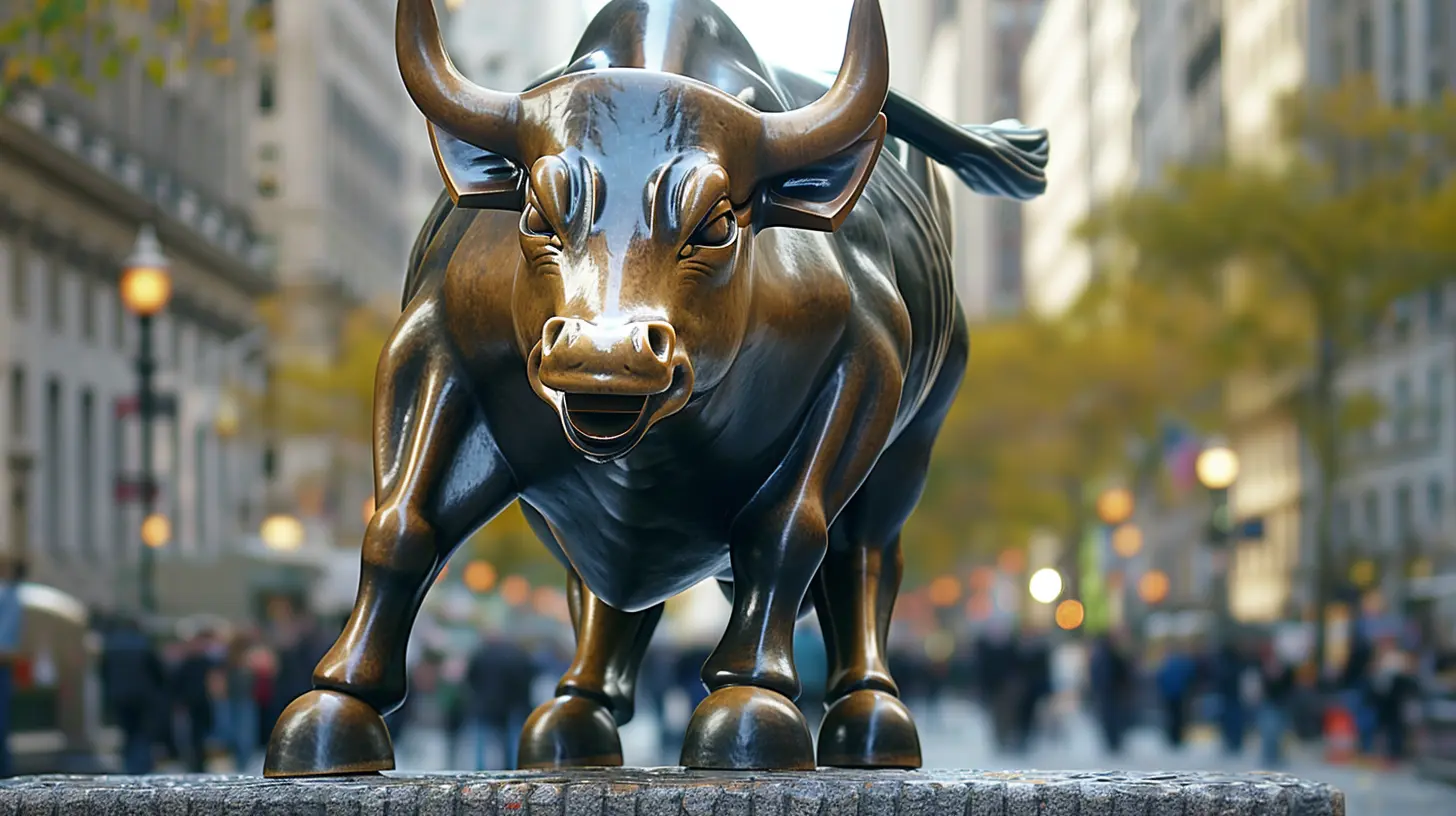
Why Does Pre-IPO Valuation Matter?
Let’s be real—nobody wants to overpay for anything, whether it's a cup of overpriced coffee or a stake in a company. A pre-IPO valuation helps investors decide if a company is a golden goose or just a really shiny turkey.Here’s why it matters:
- Attracting Investors – If the valuation is too high, investors might run for the hills. Too low? The company could be leaving money on the table.
- Determining Share Prices – The valuation directly impacts the initial stock price when the company finally goes public.
- Employee Stock Options – Many employees have stock options, and their potential payoff depends on this valuation. (Cue the dreams of early retirement.)
Think of it like setting the price for concert tickets. Price them too high, and no one buys. Price them too low, and you’ll sell out in 30 seconds but leave a lot of money on the table. You’ve got to hit that sweet spot. 
How Do Companies Calculate Their Pre-IPO Valuation?
Now, here’s where things get spicy. There isn’t a single magic formula for determining pre-IPO valuation (because that would make life too easy). Instead, analysts use a mix of methods, each with its own quirks.1. Comparable Company Analysis (CCA)
This method is like trying to figure out the price of your house by looking at what similar houses in your neighborhood sold for. Analysts compare the company to other publicly traded companies in the same industry and adjust for factors like growth potential and risks.2. Discounted Cash Flow (DCF) Analysis
Sounds fancy, right? This method estimates how much cash the company will generate in the future and then discounts it back to today’s value. (Because, let’s be honest, a dollar today is worth more than a dollar ten years from now—just ask anyone with student loans.)3. Market Multiples Approach
This approach looks at financial metrics like revenue, earnings, and customer growth, then applies industry-standard multiples. Basically, it's a bit like deciding how much to charge for lemonade by seeing how much the other kids on your street are charging.4. Venture Capital (VC) Method
Since most pre-IPO companies are backed by venture capitalists, investors sometimes use the VC method. This involves guessing how much the company will be worth once it goes public and then working backward to determine its current value. (Yes, it’s as much of a guessing game as it sounds.)
Factors That Influence Pre-IPO Valuation
Now, let’s talk about the things that can send a company’s valuation soaring or crashing faster than your New Year’s resolutions.1. Market Conditions
If the overall stock market is booming, investors might be willing to pay a premium for new IPOs. If the market is tanking, companies might struggle to justify high valuations.2. Revenue & Profitability
A company that’s actually making money? Shocking! Investors love businesses with strong revenue and profits, and that directly impacts valuation.3. Growth Potential
Some companies aren’t making profits yet (cough tech startups), but if they have massive growth potential, investors might still assign them high valuations.4. Competitive Landscape
If a company is facing stiff competition or operating in a saturated market, valuation might take a hit. On the flip side, if it's a market leader, the valuation could skyrocket.5. Hype & Public Sentiment
Sometimes, valuations are less about cold, hard numbers and more about hype. Remember WeWork’s insane pre-IPO valuation before reality smacked it in the face? Yeah, hype can go both ways.The "Unicorn" Phenomenon and Sky-High Valuations
Ever heard of a unicorn? No, not the mythical creature—though some of these companies might as well be fairy tales. In the startup world, a unicorn is a private company valued at over $1 billion.Uber, Airbnb, and SpaceX were all unicorns before their IPOs. But not all unicorns are created equal—some justify their high valuations, while others inflate like a balloon only to pop when they finally hit the stock market.
A classic example? WeWork. The company had a pre-IPO valuation of $47 billion, but after investors took a closer look, that number came crashing down fast. By the time WeWork actually went public, it was valued at just a fraction of that. Ouch.
Can You Invest in a Company Before It Goes Public?
Ah, the golden question. The short answer? Yes, but it’s not easy.Unless you’re a venture capitalist or an accredited investor, getting a slice of the pre-IPO pie is tough. Some platforms allow regular investors to buy equity in private companies, but access is limited.
However, once a company goes public, anyone can buy shares—though by that point, the "early bird discount" is long gone.
The Risks of Investing in Pre-IPO Companies
While pre-IPO investments sound exciting, they come with risks:- No Guarantee of a Successful IPO – Some companies aim for an IPO and never make it.
- Valuation May Be Inflated – Just because a company is valued at billions doesn’t mean it’s actually worth that much.
- Lock-Up Periods – Pre-IPO investors often have to wait months before they can sell their shares after the IPO.
Think of it like buying concert tickets for a band that might break up before the show. Sure, you could get a front-row seat to something amazing, or you could be left with a worthless piece of paper.
Final Thoughts
Pre-IPO valuations are both an art and a science—part financial wizardry, part educated guessing game. While factors like revenue, growth potential, and market trends play a role, sometimes hype alone drives valuations into the stratosphere.For investors, understanding how pre-IPO valuations work is key to making informed decisions. And for companies, well, getting the right valuation can mean the difference between a blockbuster IPO and a financial flop.
So next time you hear about some startup boasting a multi-billion-dollar valuation before even turning a profit, just remember: numbers can be magical, but reality always catches up.
all images in this post were generated using AI tools
Category:
Ipo InsightsAuthor:

Zavier Larsen
Discussion
rate this article
2 comments
Matilda Clayton
Great insights on pre-IPO valuations. Understanding how these figures shape investor expectations is crucial. This article provides a clear perspective on a complex topic. Thank you for sharing!
July 30, 2026 at 4:54 AM
Zavier Larsen
Thank you for the kind words! I'm glad you found the insights helpful.
Wyatt Abbott
The analysis of pre-IPO valuations offers valuable insights into a company's potential and market perception. Understanding these factors can aid investors in making informed decisions, but it's essential to approach valuations with a critical eye.
May 14, 2026 at 2:59 AM
Zavier Larsen
I appreciate your insight. Critical evaluation of pre-IPO valuations is crucial for informed investing. Thank you for highlighting this important aspect.