The Economic Impact of Gig Workers on Income Inequality
26 March 2026
The gig economy isn't just changing the way we work—it's completely flipping the script on how income is earned, distributed, and ultimately, how fair or unfair the pie gets sliced. Whether you're grabbing an Uber, getting your groceries delivered, or hiring a freelancer to design your logo, you're seeing the gig economy in action. But have you ever stopped to think: how does all of this affect income inequality?
Let’s break it down piece by piece.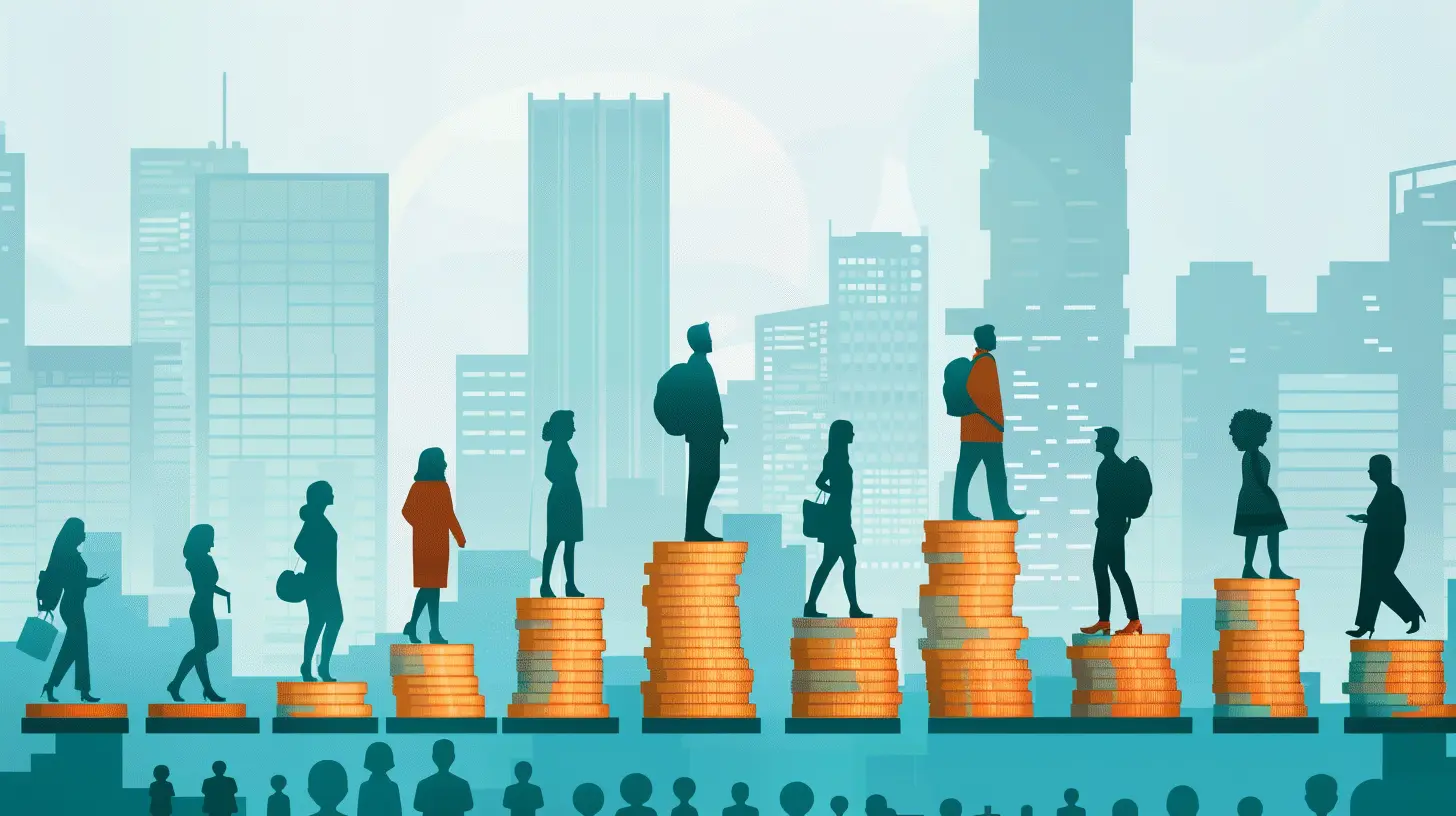
What Exactly Is the Gig Economy?
Before we dive deeper, let's get clear on what we mean by the gig economy. Put simply, it's a labor market characterized by short-term contracts or freelance work as opposed to permanent jobs. Think side hustles, independent contracting, or working through apps like DoorDash, TaskRabbit, or Upwork.People turn to gig work for all sorts of reasons—flexibility, autonomy, or just to supplement their income. But like most things in life, it ain’t all sunshine and rainbows.
The Rise of the Gig Workforce
There’s no denying it—gig work is booming. According to studies, nearly 36% of U.S. workers are involved in some sort of freelance or gig economy role. And that number’s climbing. Why? Well, a lot of reasons:- Tech platforms make it easier than ever to connect workers with customers.
- Companies love the cost savings that come from not having to offer benefits or long-term employment.
- People are craving flexibility, especially with rising living costs and ever-changing job markets.
Still, with all this growth comes a few elephants in the room—chief among them, income inequality.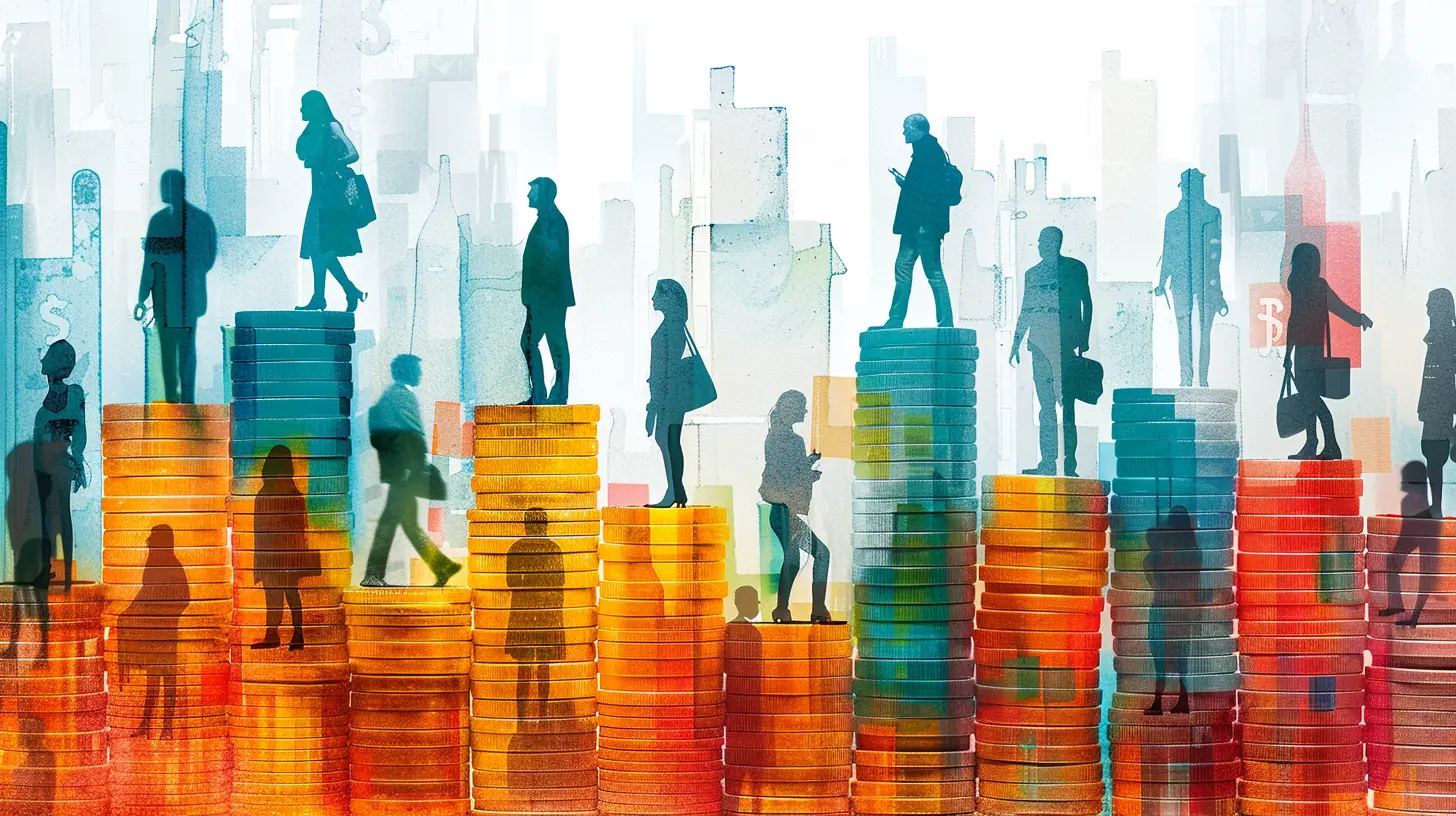
How Gig Work Is Shaking Up Income Distribution
Let’s be real: income inequality isn’t a new problem. But the gig economy is throwing fuel on a fire that's already burning. Here’s how.1. 🌟 The Top Earners vs. Everyone Else
In the gig world, there's often a small group of high-performing freelancers or contractors making the big bucks—maybe they're software developers, digital marketers, or consultants. These people can pull in six figures or more. But for every one of them, there are hundreds of drivers, shoppers, and delivery people barely scraping by.This growing divide is pushing income inequality into overdrive.
The platforms themselves? They benefit from both groups, but mostly from volume—the more people willing to work for less, the more profit the platforms make.
2. 🚗 Gig Work is Often Low-Paying and Insecure
Let’s not sugar-coat it: many gig jobs don’t pay well. And when you factor in no health insurance, no paid time off, and no job security, it’s easy to see how gig workers can fall behind financially.What’s worse? Many gig workers are considered “independent contractors,” which means they're not entitled to the same labor protections as full-time employees. That’s right—no minimum wage guarantees, no unemployment insurance, nada.
If you're living paycheck to paycheck, a missed shift because your car broke down or you got sick can derail your entire financial plan.
3. 📉 No Path to Upward Mobility
We often hear that the gig economy provides "opportunities for all." But let’s be honest—most gig jobs have a low ceiling. There's no ladder to climb. Driving for a ride-share service won’t magically turn into a managerial role. Want a raise? Well, good luck negotiating with an algorithm.This lack of upward mobility traps workers in low-paying gigs with few chances to improve their financial situation. Over time, that gap between the haves and the have-nots just keeps growing.
Gender, Race, and the Gig Economy
Income inequality isn’t just about dollars. It's also deeply tied to gender and race—and the gig economy reflects that.👩🦰 Women in the Gig Economy
Many women turn to gig work because it offers flexibility—especially useful for juggling childcare or elder care. But often, that flexibility comes with a cost. Women are more likely to be in lower-paying gig roles like caregiving, tutoring, or virtual assistance. And that means they’re more vulnerable to income instability.🧑🏾🦱 Racial Disparities
Studies have shown that Black and Hispanic workers are overrepresented in lower-paying gig roles, particularly in delivery or ride-hailing services. Combine that with existing racial wage gaps, and it’s easy to see how gig work can actually widen the inequality divide.The Silver Lining: How Gig Work Can Help… Sometimes
Now, it’s not all bad news. Gig work does have its perks, especially for those who know how to make it work for them.💼 Supplementing Income
If you're already working a full-time job, gig work can be a great way to make extra cash. Paying down debt? Saving for a big purchase? A weekend side hustle can help.👨💻 Skill-Based Gigs
Skilled freelancers—like designers, programmers, or consultants—can command high rates and build a sustainable income through platforms like Fiverr or Toptal. For these workers, the gig economy offers freedom, flexibility, and financial growth. The key difference? They’re selling expertise, not just time.Government Policy and Regulation: Where Do We Go From Here?
Here’s the big question: what can be done to address the economic impact of gig work on income inequality?Right now, many governments are playing catch-up. Gig work exploded faster than lawmakers expected, and regulations haven't quite caught up.
📝 Worker Classification
One of the hottest debates is how to classify gig workers. Are they employees or independent contractors? California’s AB5 law tried to reclassify many gig workers as employees, which would require companies to offer benefits and protections. But pushback from gig companies has been fierce.🛡️ Portable Benefits
Another idea being floated around is “portable benefits.” These are benefits that stay with the worker, no matter who they work for. Think retirement accounts, health coverage, and paid time off that isn't tied to a single employer.Sounds good, right? But implementing it on a large scale is tough and requires cooperation between governments, companies, and workers.
The Role of Platforms: Responsibility or Just Business?
Let’s not forget the role that platforms themselves play in all of this. Companies like Uber, Lyft, DoorDash, and Instacart have made fortunes off the backs of gig workers. Should they bear more responsibility?Many argue that these companies should be required to offer fair wages, transparent algorithms, and basic worker protections. After all, without gig workers, there’s no gig economy.
Platforms often argue that they’re just “tech providers,” not employers. But in practice, they have a lot of control over how and when people work. Maybe it’s time for them to stop passing the buck.
What Can Gig Workers Do?
If you're a gig worker (or thinking of becoming one), what can you do to protect yourself and boost your income?📚 Educate Yourself
Understand the platform’s policies. Know your rights. Learn about your tax obligations.💸 Diversify Income Streams
Don’t put all your eggs in one basket. Use multiple platforms, offer different services, and look for ways to turn short-term gigs into longer contracts.🤝 Build a Community
Join local or online groups of gig workers. Share tips, negotiate better rates together, and even lobby for better protections.Final Thoughts
The gig economy is here to stay. For some, it’s a flexible way to earn money and be your own boss. For others, it’s a precarious reality filled with long hours, little security, and low pay.The truth is, the gig economy can either be a stepping stone or a trap—it all depends on how it's structured and who it benefits. Right now, it's leaning more toward increasing income inequality than reducing it.
But that doesn't mean the story’s written in stone. With smart policies, responsible platforms, and a collective push for fairness, gig work can evolve into something that empowers rather than exploits.
And hey, maybe then we can all get a more equal slice of the pie.
all images in this post were generated using AI tools
Category:
Income InequalityAuthor:

Zavier Larsen
Discussion
rate this article
2 comments
Ximena Bailey
Gig workers challenge traditional economic structures, revealing stark disparities in income distribution. As the gig economy expands, we must critically assess its role in exacerbating or alleviating income inequality.
April 2, 2026 at 10:29 AM
Zavier Larsen
Thank you for your insightful comment! Indeed, the gig economy presents both opportunities and challenges in income distribution, and it's crucial to analyze its impact on inequality to create more equitable systems.
Tyler Thomas
Gig workers: balancing budgets while juggling flaming torches!
March 27, 2026 at 4:35 AM
Zavier Larsen
Indeed, gig workers often navigate financial instability while managing multiple tasks, highlighting the broader issues of income inequality in today's economy.