The Future of Cashless Spending and Your Wallet
3 September 2026
Walk into any coffee shop in a major city and you will see the same scene. People tap their phones, wave their watches, or scan QR codes. Cash is still accepted, but it feels almost like a relic. The shift toward cashless spending is not a future possibility. It is happening right now, and it is accelerating faster than most people realize.
But here is the question that matters to you: what does this actually mean for your personal finances? Not for the economy as a whole, not for banks, but for your daily budget, your savings, and your ability to make sound financial decisions. The answer is more complex than a simple "cash is dying" headline.
The Real State of Cash in the Modern Economy
Let us start by clearing up a common misconception. Cash is not dead. It is not even close to disappearing. According to central bank data from various countries, the total value of physical currency in circulation has actually increased over the past decade. People still use cash for small transactions, for budgeting, and for privacy reasons.What has changed is the frequency of cash use. In many developed economies, cash now accounts for a minority of point-of-sale transactions. The pandemic accelerated this trend because of hygiene concerns and the temporary closure of many small businesses that preferred digital payments. But the underlying shift started long before 2020.
The real story is not about cash disappearing. It is about the infrastructure around money changing. When you pay with a card or a phone, you are not just using a different tool. You are participating in a completely different payment ecosystem with different costs, different incentives, and different psychological effects on your spending behavior.
How Digital Payments Change Your Spending Psychology
This is where the conversation gets interesting. Researchers in behavioral economics have repeatedly found that the way you pay influences how much you spend. It is not a small effect either. Studies from credit card companies and academic institutions consistently show that people spend more when using cards than when using cash.Why does this happen? The answer lies in the concept of payment transparency. When you hand over physical bills, you feel the loss immediately. The tactile sensation of money leaving your hand triggers a psychological response that makes you pause and consider the purchase. Digital payments remove that friction. A tap on a screen is almost effortless, and the connection between the action and the financial consequence becomes abstract.
This is not a moral failing. It is a design feature of modern payment systems. The easier it is to pay, the more you will pay. Companies know this. That is why food delivery apps offer one-click reordering. That is why streaming services do not ask for confirmation every month. The goal is to reduce friction to increase spending.
The practical implication for your wallet is straightforward. If you tend to overspend, going fully cashless without any safeguards is a recipe for trouble. But the solution is not to abandon digital payments entirely. It is to build your own friction into the system.
The Hidden Costs of Going Cashless
Most people assume that digital payments are free. After all, you do not pay a fee when you tap your card at a grocery store. But the costs exist. They are just hidden.Merchants pay interchange fees on every card transaction. These fees typically range from 1.5 percent to 3.5 percent of the purchase amount. Merchants do not absorb these costs. They pass them on to consumers through higher prices. This means that every time you pay with a card, you are indirectly paying a small tax that cash users avoid.
This is not an argument against cards. The convenience and security benefits often outweigh the hidden costs. But you should understand that the system is not neutral. When a small business offers a discount for cash payments, they are not being difficult. They are trying to avoid the fees that eat into their already thin margins.
There is also the cost of data. Every digital transaction creates a record. Payment processors, banks, and retailers collect information about what you buy, when you buy it, and where you buy it. This data is valuable. It is used for targeted advertising, credit scoring, and even insurance pricing. When you pay with cash, you keep that information private. When you pay digitally, you give it away.
Security and Fraud: The Double-Edged Sword
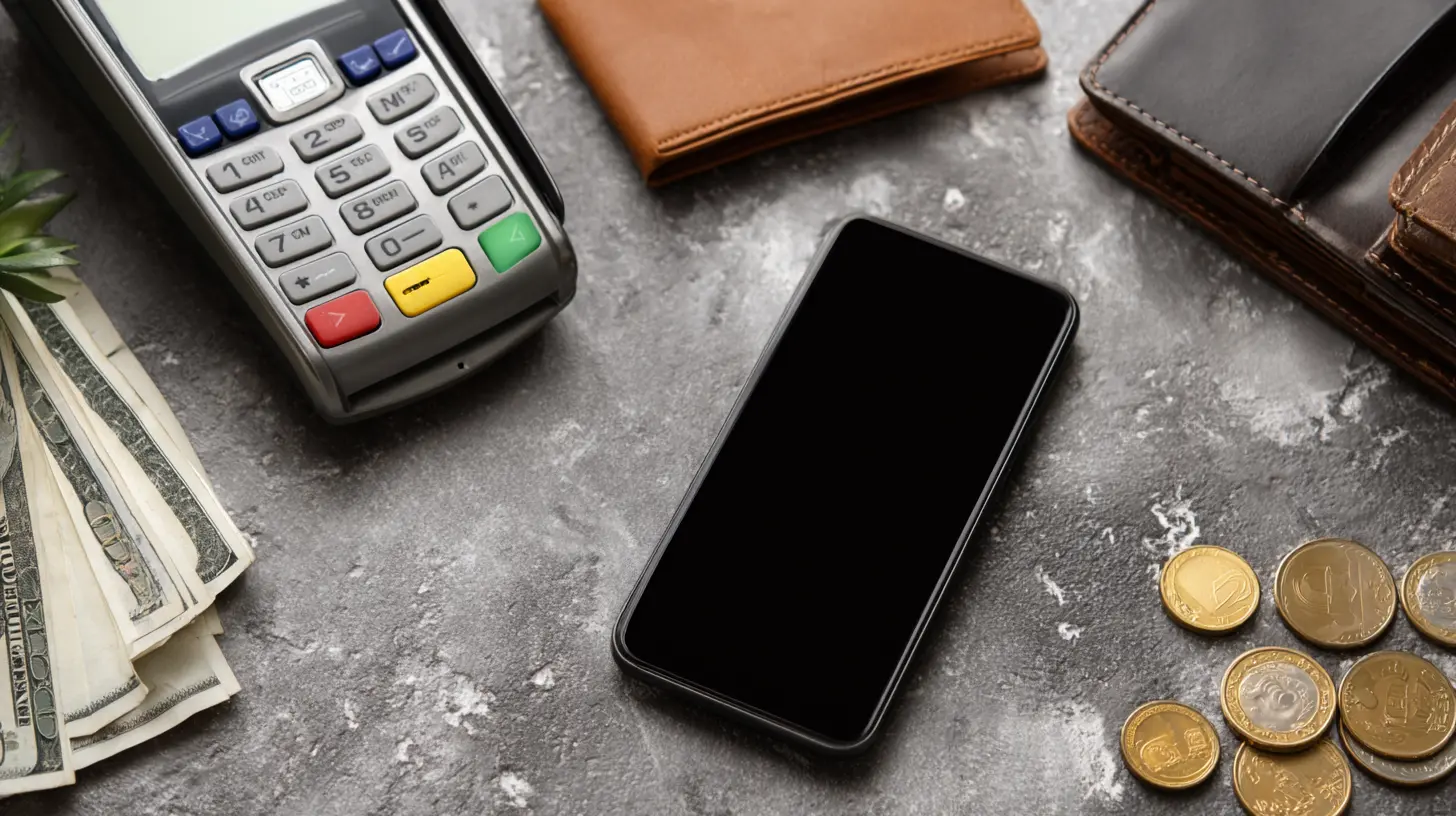
One of the main arguments for cashless spending is security. If you lose your wallet with cash in it, the money is gone. If you lose your credit card, you can report it and get a replacement. You are not liable for fraudulent charges in most cases.This is true, but it is not the whole story. Digital payments introduce new types of risk that cash does not have. Phishing scams, card skimming, account takeovers, and identity theft are all products of the digital payment era. Cash cannot be hacked. Your bank account can.
The more you rely on digital payments, the more you expose yourself to these risks. The solution is not to avoid digital payments but to layer your defenses. Use virtual card numbers for online purchases. Enable two-factor authentication on your financial accounts. Monitor your transactions regularly. Set up alerts for unusual activity.
Another overlooked risk is the fragility of digital infrastructure. If a payment network goes down, if your bank has a technical issue, or if you lose your phone, you may find yourself unable to access your money. Cash works without electricity, without internet, and without any third-party approval. Keeping some cash on hand is not paranoia. It is basic resilience.
The Rise of Buy Now, Pay Later and Its Trap
One of the most significant developments in cashless spending is the explosion of buy now, pay later services. Companies like Klarna, Afterpay, and Affirm have made it incredibly easy to split purchases into installments. The marketing is appealing. No interest if you pay on time. No credit check for small amounts. Instant approval.But here is what the marketing does not tell you. These services encourage you to spend money you do not have. The entire premise is to remove the barrier between desire and purchase. You do not need to wait until payday. You do not need to save up. You can have it now and pay later.
The problem is that multiple buy now, pay later loans can pile up quickly. Unlike credit cards, which show a single balance, these services create many small obligations across different platforms. It is easy to lose track. Miss a payment and you will face late fees. Some services report missed payments to credit bureaus, which can hurt your credit score.
The best practice here is simple. Treat buy now, pay later as what it is: a loan. Do not use it for discretionary purchases. If you cannot afford to buy something outright, you probably should not be financing it over four installments. The exception is for essential items like a necessary appliance or a medical expense, and even then, you should compare the terms with a standard credit card.
Mobile Wallets and the Consolidation of Your Financial Life
Mobile wallets like Apple Pay, Google Pay, and Samsung Pay have become the default way to pay for many people. They offer convenience, tokenization for security, and the ability to store loyalty cards, transit passes, and even boarding passes in one place.The deeper trend here is consolidation. Your phone is becoming your entire financial identity. It holds your payment methods, your banking apps, your investment accounts, and your identity documents. This is convenient, but it creates a single point of failure. If someone gains access to your phone, they gain access to a significant portion of your financial life.
The best defense is to secure your phone as if it were a bank vault. Use biometric authentication. Set a strong passcode that is different from your payment PIN. Enable remote wipe capabilities. Do not jailbreak or root your device. And be very careful about which apps you grant financial permissions to.
There is also a subtler issue with mobile wallets. They make spending even more effortless than using a physical card. You do not even need to take out your wallet. Your phone is already in your hand. The fewer steps between intention and purchase, the more likely you are to make impulse purchases.
The Role of Cash in Budgeting and Financial Discipline
Despite all the technological advances, cash remains one of the most effective budgeting tools ever invented. The envelope system, where you allocate physical cash to different spending categories, forces you to confront your limits. When the envelope is empty, you stop spending.This works because it makes trade-offs explicit. If you have fifty dollars in your dining envelope and you want to eat out, you can see exactly what you are giving up. With digital payments, the connection between your budget and your spending is weaker. You check your balance, but the mental accounting is less vivid.
This does not mean you need to go back to cash for everything. That would be impractical and would mean giving up rewards, convenience, and fraud protection. But you should consider using cash for the categories where you tend to overspend. For many people, that is food, entertainment, and small discretionary purchases.
A hybrid approach often works best. Use digital payments for fixed expenses like rent, utilities, and subscriptions. Use cash for variable expenses like groceries, dining, and personal shopping. This gives you the benefits of both systems while mitigating their weaknesses.
Rewards Programs: Are They Worth It?
Credit card rewards are a major reason why people prefer cashless payments. Cash back, travel points, and other perks can add up to significant value over time. A good rewards card can effectively give you a discount on everything you buy.But rewards are not free. They are funded by interchange fees, which are ultimately paid by merchants and then passed on to all consumers. This means that rewards card users are effectively subsidized by cash users and by people who carry balances and pay interest.
The key to making rewards work for you is to never carry a balance. If you pay interest, the rewards are almost certainly not worth it. The average credit card interest rate is over 20 percent. Even the best rewards program cannot offset that.
Another consideration is the behavioral effect of rewards. Some people spend more just to earn points. This is a trap. A 2 percent cash back reward is meaningless if you spend 10 percent more than you would have without the card. The reward should be a bonus, not a motivation to spend.
The International Perspective and the Unbanked Problem
The cashless revolution is not uniform across the globe. In Sweden, cash transactions are a small fraction of total payments, and many businesses no longer accept cash at all. In China, mobile payments through Alipay and WeChat Pay are ubiquitous, even for street vendors. In Germany, cash remains popular, and many consumers resist digital payments for privacy reasons.This diversity matters because it highlights a critical issue. A fully cashless society would exclude people who cannot access digital payments. The unbanked and underbanked populations, the elderly, people with disabilities, and those in rural areas with poor internet connectivity would all be left behind.
This is not just a social justice issue. It is a practical concern for your wallet. If cash is eliminated, the cost of financial services may rise because there is no alternative. Competition and choice are what keep fees down. Removing cash as an option reduces consumer power.
Practical Steps to Future-Proof Your Finances
So what should you actually do? The future of cashless spending is not something you can stop. But you can prepare for it in ways that protect your financial health.First, maintain a small cash reserve. Enough for a week of essential expenses. This is your emergency backup for system failures, natural disasters, or personal technology issues. Keep it in a safe place at home, not in your wallet where it might be stolen.
Second, automate your savings. If you are going to rely on digital payments, make sure your savings are also automated. Set up automatic transfers to a savings account on payday. This ensures that you save before you have a chance to spend.
Third, review your subscriptions regularly. Digital payments make it easy to sign up for services and forget about them. A streaming service here, a gym membership there, a cloud storage plan that you do not use. These small recurring charges add up. Set a reminder to review your subscriptions every quarter and cancel anything you do not actively use.
Fourth, use separate accounts for spending and bills. This creates a natural barrier. When your spending account is empty, you cannot spend more, even if your bill account has money. This is a simple but effective way to enforce a budget.
Fifth, understand the fees associated with your payment methods. Check your bank statements for monthly maintenance fees, foreign transaction fees, and ATM fees. Choose accounts that minimize these costs. The most expensive payment method is the one that charges you fees without you noticing.
The Future of Cashless Technology and What to Watch For
Several emerging technologies will shape the next phase of cashless spending. Central bank digital currencies, or CBDCs, are being researched and piloted by many governments. These are digital versions of national currencies issued by central banks. They could offer the efficiency of cryptocurrencies without the volatility.The implications of CBDCs are significant. They could make cashless payments even more seamless. They could also give governments unprecedented visibility into financial transactions. This raises privacy concerns that are worth paying attention to.
Biometric payments are another trend. Paying with your fingerprint, your face, or even your heartbeat is becoming more common. These methods are convenient, but they also raise questions about data security. Biometric data cannot be changed if it is compromised. Unlike a password, you cannot get a new face.
Open banking is also changing the landscape. This allows third-party financial service providers to access your banking data with your permission. It enables apps that can analyze your spending, find better deals, and automate your finances. The potential is exciting, but it also means you need to be careful about which third parties you trust.
Common Mistakes People Make When Going Cashless
Many people make the transition to cashless without thinking through the consequences. The most common mistake is assuming that digital payments are always safer. They are not. They are just different. You still need to protect your accounts, monitor your transactions, and be wary of scams.Another mistake is using credit cards for everything without tracking spending. A credit card is not a license to spend. It is a short-term loan that must be repaid. If you treat it as free money, you will end up with debt and interest charges.
A third mistake is ignoring the small fees. Foreign transaction fees, ATM fees, overdraft fees, and late payment fees can eat into your finances. These fees are often buried in the fine print. Read your account agreements and know what you are being charged.
A fourth mistake is keeping all your money in one account. If that account is compromised, you lose access to everything. Spread your funds across a checking account for daily spending, a savings account for emergencies, and perhaps an investment account for long-term growth.
The Balanced Approach to Your Financial Future
The future of cashless spending is not a binary choice between cash and digital. It is a spectrum. The smart approach is to use the right tool for the right purpose.Use cash for small transactions, for budgeting categories where you tend to overspend, and as a backup for emergencies. Use debit cards for everyday purchases where you want to avoid debt. Use credit cards for larger purchases where you want rewards and fraud protection, but always pay the balance in full. Use mobile wallets for convenience and speed, but secure your phone properly.
The most important thing is to stay intentional. The payment system is designed to make spending effortless. Your job is to add deliberate friction where you need it. Set spending limits. Track your expenses. Review your statements. Automate your savings. And never let convenience override your financial goals.
Your wallet is not just a place to store money. It is a reflection of your priorities and your discipline. The shift to cashless spending does not have to weaken your financial position. If you understand the psychology, the costs, and the risks, you can use the new systems to your advantage. The future belongs to those who understand how money actually works, whether it is made of paper or pixels.
all images in this post were generated using AI tools
Category:
Spending HabitsAuthor:

Zavier Larsen
Discussion
rate this article
2 comments
Runeveil Schultz
What if cashless spending holds secrets beyond convenience? The shift may alter our perceptions of value and trust, reshaping the very fabric of our financial lives...
September 25, 2026 at 11:41 AM
Cara Alexander
As cashless spending gains traction, it's essential to stay informed about its impact on personal finance. Adapting to new payment methods can enhance convenience but also requires awareness of security and budgeting challenges.
September 5, 2026 at 11:27 AM
Zavier Larsen
Thanks for your insight. Staying informed is key as we navigate the shift to cashless spending. Balancing convenience with security and budgeting is crucial for our financial health.