The Future of IPOs: How Technology Could Reshape Public Offerings
22 April 2026
Initial Public Offerings, or IPOs, have been a traditional rite of passage for companies looking to hit the big leagues. It’s like a startup finally getting its wings and flying solo in the public markets. But like most things in today’s fast-paced, ever-evolving tech world, IPOs are standing at the edge of a major transformation. Tech is knocking on the door, and guess what? It's not going to wait politely to be invited in.
So, what does the future of IPOs look like? Could technology completely revolutionize the public offering process? Spoiler alert: Yes, it already is—and in a big way.
Let’s dive in and unpack this exciting evolution, shall we?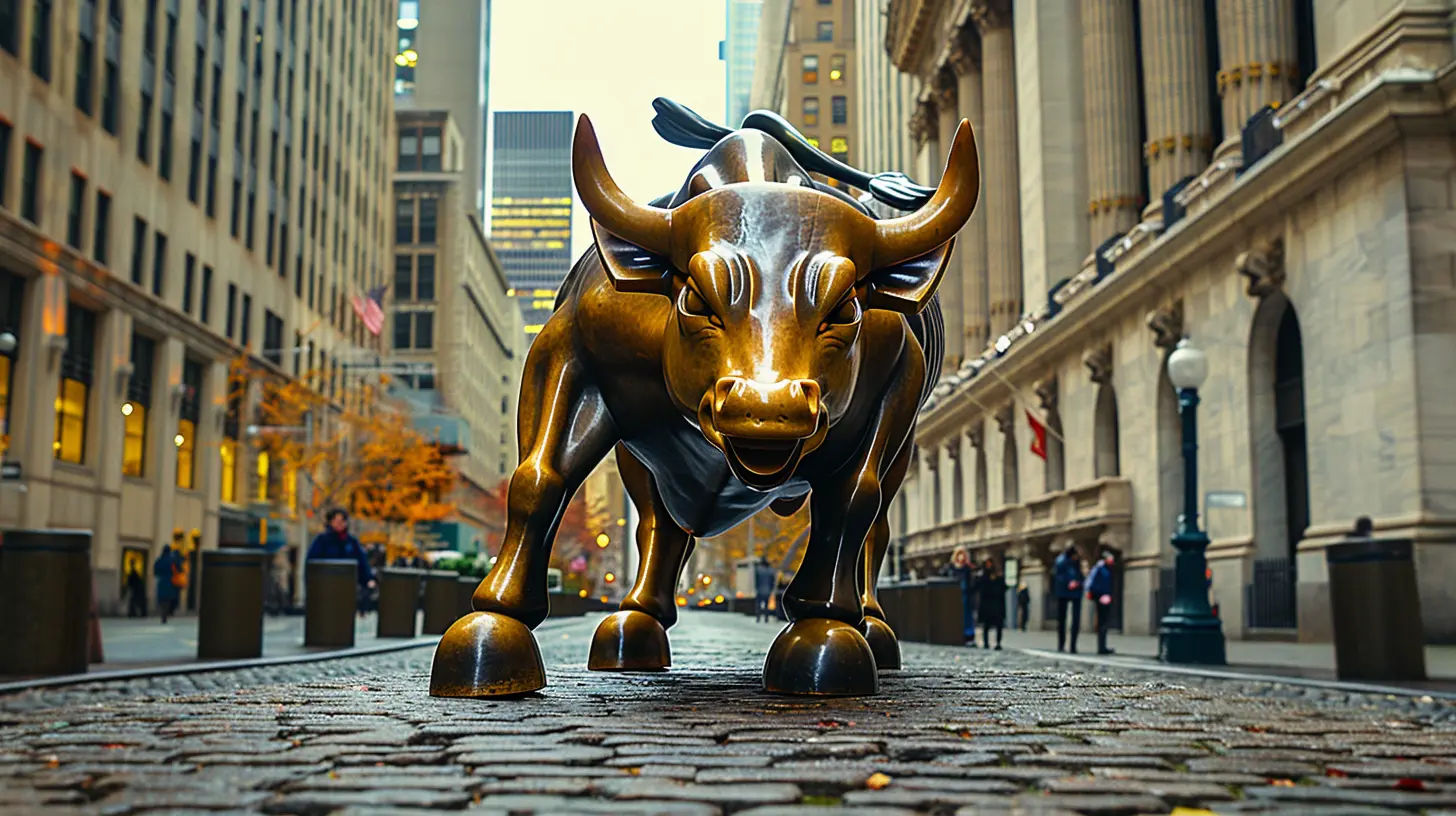
What’s an IPO Anyway?
Before we go full throttle into the future, let’s hit the brakes for a sec and talk about what an IPO really means.An IPO is when a private company decides it wants to go public by selling shares of its stock to the general public for the first time. Think of it like opening the doors to your secret club and suddenly letting everyone in.
Traditionally, this process has been... well, clunky. We're talking high fees, complicated paperwork, and a whole lot of hand-holding from investment banks. But times are changing, and technology is shaking things up.
The Old School IPO Process: A Quick Recap
So how do IPOs usually go down?1. Hire an investment bank (also called underwriters).
2. Prep like crazy—legal documents, audits, compliance filings, endless meetings.
3. Roadshows where company execs pitch their story to big institutional investors.
4. Pricing the stock and finally going live.
Sounds exhausting, right? It is. And not just exhausting—it’s expensive, slow, and often not fair to the average investor. That’s where tech steps in, cape and all.
The Digital Disruption of IPOs
Alright, here’s where things get interesting. Technology is entering the ring with a knockout combo—speed, transparency, and access.From blockchain to AI, fintech platforms to crowdfunding models, here’s how the traditional IPO is getting a much-needed digital makeover.
1. Direct Listings: The Trendsetter
Direct listings are like ditching the middleman and making your debut your own way.Companies like Spotify and Coinbase said “no thanks” to underwriters and went public by allowing their existing shares to be sold directly on the market. No fluff, no unnecessary fees, no middlemen taking a chunk of the profits.
Why does this matter?
Because it shows that tech-based companies want a tech-based process. Direct listings use digital platforms, rely heavily on data analytics, and cut down red tape with more efficient compliance technology.
2. Blockchain: The Game Changer
You've probably heard blockchain being tossed around with crypto talk, but it's so much more than that. Imagine a public ledger that’s nearly tamper-proof. That’s blockchain.Now think about applying that to IPOs:
- Smart contracts auto-executing transactions
- Tokenized shares traded on digital exchanges
- Transparent ownership tracking
With blockchain, investors can participate securely, and companies can manage offerings faster and with fewer intermediaries. It’s like replacing your dusty filing cabinet with a sleek AI assistant.
3. AI & Big Data: Smarter Decision-Making
Artificial Intelligence is creeping into everything—why not IPOs?AI-driven data analysis can:
- Predict market sentiment
- Optimize timing
- Target the right investors
And let’s not forget automated due diligence. What used to take weeks or months can now be done in days. When you're about to offer your company to the world, that kind of speed and insight can be a game-changer.
Data doesn’t lie, and AI knows how to read it like a bestseller.
4. Crowdfunding & Regulation A+ Offerings
Now here’s a fun twist: Instead of going after just the big sharks (institutional investors), tech platforms are letting everyday people get in early.Crowdfunding and Regulation A+ offerings (think of them as IPO-lites) allow startups to raise up to $75 million from regular investors. Platforms like StartEngine and SeedInvest make it as easy to invest in a startup as ordering a pizza online.
This democratizes access to capital and investing. It gives power back to the people, and it’s all made possible by—you guessed it—technology.
5. Virtual Roadshows: Bye-bye, Business Class
Remember those traditional roadshows where execs flew across the country pitching to potential investors? Well, now they’re doing it in sweatpants over Zoom.Virtual roadshows:
- Save time and money
- Open access to a wider, global audience
- Provide instant data on engagement
Thanks to video conferencing and virtual event platforms, companies can pitch smarter, not harder. Plus, it’s eco-friendly. Look at you, IPOs, going green!
Benefits of Tech-Driven IPOs
Let’s list out just how much better this could get:- Lower fees: No more millions going to underwriters.
- Faster timeframes: Get from private to public in record time.
- Greater transparency: Blockchain doesn’t play favorites.
- Wider access: Open the doors to retail investors.
- Better data: AI tells you what’s hot and what’s not.
So really, it’s not just a change—it’s an upgrade.
Challenges to Overcome
Of course, this isn’t a fairytale where everything’s perfect.There are still a few speed bumps:
- Regulatory clarity: Tech always moves faster than law.
- Security concerns: Hacking, fraud, and scams are real risks in the digital space.
- Investor education: Many people still don’t understand blockchain or digital securities.
- Market resistance: Institutions and banks aren’t going to give up control easily.
But hey, every revolution faces resistance. The key is to keep the momentum going.
The Rise of SPACs: A Sibling Rivalry?
SPACs (Special Purpose Acquisition Companies) have made headlines in recent years. They're like a shortcut to going public—merge with a SPAC and skip the IPO process.Although not tech in itself, the rise of SPACs was boosted by tech platforms enabling faster deals and broader outreach.
Are SPACs competition to traditional IPOs or just another flavor of the same future-forward shift? Probably both.
The Global Picture: IPOs Around the World
Let’s not forget—this isn’t just a U.S. thing. Countries like China and the UK are also embracing tech in capital markets.China’s STAR Market uses a registration-based model and tech-focused listings, while the UK is pushing regulatory reforms to attract more tech IPOs.
The future is global, and the tech is universal.
What Does This Mean For You?
Whether you’re a startup founder dreaming of the IPO bell, an investor looking for early access, or just a finance nerd (like me!) watching from the sidelines—this shift matters.Technology is making IPOs:
- More accessible
- More equitable
- More efficient
And that’s something we should all be excited about.
Imagine a future where investing in the next big thing is as easy and safe as shopping online. That’s not just hope—it’s happening.
Final Thoughts
The future of IPOs is here, and it’s digital, decentralized, and definitely dynamic. The way companies go public is being reimagined from the ground up. Thanks to technology, the gates to capital markets are opening wider than ever before.Sure, there are growing pains—but that’s how all revolutions start. The IPO of tomorrow is going to look a lot more like your favorite app than a Wall Street boardroom.
So buckle up—because public offerings are heading into a whole new era.
all images in this post were generated using AI tools
Category:
Ipo InsightsAuthor:

Zavier Larsen
Discussion
rate this article
2 comments
Sandra Jacobs
Exciting times ahead! Technology is set to transform IPOs, making them more accessible and innovative.
May 4, 2026 at 4:44 AM
Zavier Larsen
Absolutely! Technology is opening new doors for IPOs, making them more inclusive and dynamic. Exciting changes are on the horizon!
Destiny McCallum
Will AI be the new underwriter? Let's hope it doesn’t have a meltdown!
April 29, 2026 at 2:42 AM
Zavier Larsen
AI could enhance underwriting efficiency, but human oversight remains crucial to avoid potential pitfalls.