The Hidden Costs of Income Inequality in Modern Economies
22 February 2026
Let’s face it — money makes the world go ‘round. But what happens when the money starts spinning unevenly? Welcome to the wild world of income inequality. We’re not just talking about the classic “rich vs. poor” narrative. Oh no, it’s much deeper, sneakier, and way more draining on our economies than you might think. Buckle up — we’re diving headfirst into the hidden costs of income inequality in modern economies.
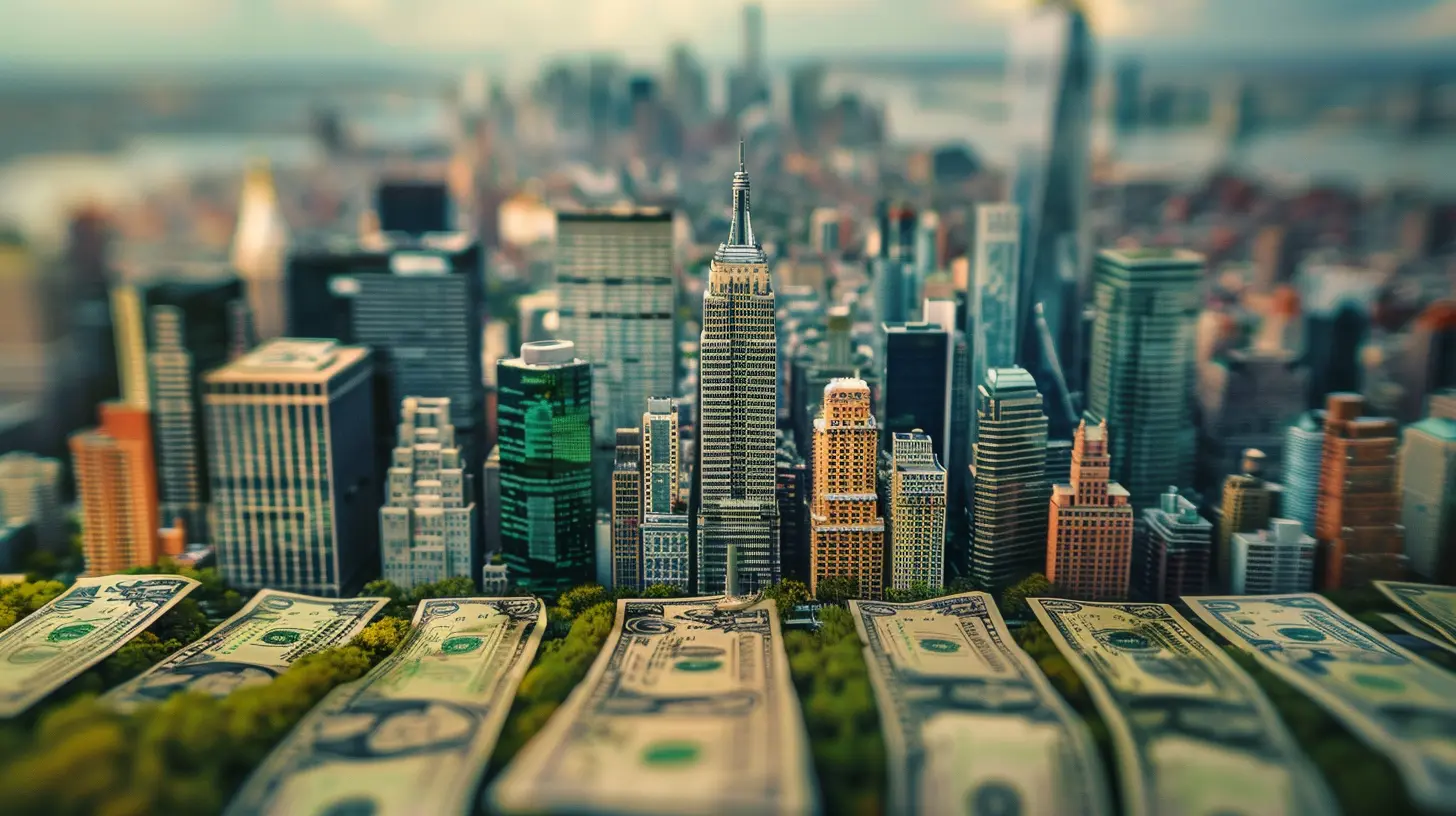
Income Inequality: It’s More Than Just Money Gap, Folks
You’ve probably heard the phrase “the rich get richer, and the poor get poorer.” It’s been thrown around so much it could be a TikTok trend by now. But this isn’t just about yachts vs. year-old cars — income inequality is a full-blown economic vampire. It silently sucks the life out of progress, locking millions out of opportunities and dragging down entire nations in the process.So what exactly are we talking about? Income inequality is when the gap between top earners and everyone else becomes so wide it makes the Grand Canyon look like a pothole. And while a little inequality can drive ambition and innovation, too much of it? That’s when the problems start creeping in. Think of it like hot sauce — a dash can spice things up, but chug a whole bottle and you're in for a world of regret.
1. Economic Growth? More Like Sloth
Let’s start with the biggie: economic growth. We all want thriving economies, right? But high income inequality throws a major wrench in the gears. When a huge chunk of money is hoarded at the top, it doesn’t trickle down — it just sits there. Wealthy folks often stash their cash in investments or savings (luxury yachts don’t count as stimulating the economy, sorry). Meanwhile, middle- and lower-income families are the real spenders, but if they don’t have money to spend… well, the economy stalls like a rusty lawnmower.Why Should You Care?
Low-income earners typically spend a higher percentage of their income. They buy groceries, pay rent, grab coffee — all things that stimulate local economies. But if they’re barely scraping by, guess what? That spending goes kaput. Which means fewer sales for businesses, fewer jobs, and slower growth for everyone. It’s like trying to start a bonfire with wet wood.
2. Public Health Takes a Hit
Here’s one you might not have seen coming — income inequality is a real buzzkill for public health. Yep, countries with wider income gaps tend to have worse health outcomes. And we’re not just talking about access to healthcare (though that’s a biggie too). It’s also about chronic stress, poor nutrition, and mental health — all things that snowball when you can’t afford a stable, dignified life.The Domino Effect
Let’s say someone is working two jobs, living paycheck to paycheck. They can’t afford regular check-ups, healthy food, or even a decent night’s sleep. Over time, this wears down their health, productivity, and well-being. Multiply that by millions, and you’ve got a nation pumping cash into treating illness instead of preventing it. Efficient? Not even close.
3. Education Gets Lopsided
You know how they say education is the great equalizer? Well, not when income inequality is hogging the playground. Kids from wealthier families get access to better schools, tutors, extracurriculars, and connections — you name it. Meanwhile, low-income families struggle to afford basic school supplies, let alone a shiny college degree.Unequal Start, Unequal Finish
This means fewer chances for upward mobility. And here’s the kicker — it becomes a cycle. Without access to quality education, it's harder to get good-paying jobs. And without good jobs, it’s harder to give your kids the education they need to break the cycle. It's like trying to win a race while wearing flip-flops and carrying a backpack full of bricks.4. Higher Crime Rates (Yep, That Too)
Here’s a bit of an eyebrow-raiser: societies with higher income inequality often see more crime. Why? Because when people feel left out, left behind, and out of options, some of them turn to unlawful means to survive. Not all, of course — but enough to make it a pattern.Inequality Breeds Desperation
Think about it. If communities are struggling with joblessness, underfunded schools, and a lack of opportunities, desperation kicks in. And desperation isn’t good for social harmony. It’s not just a “them” problem — it affects everyone’s safety, property values, and overall quality of life. High inequality creates an environment where crime festers like a forgotten sandwich in the back of the fridge.
5. Political Polarization Goes Into Overdrive
Ah, politics — the dinner table topic we all love to avoid. But here's the thing: income inequality fans the flames of division like a high-powered leaf blower. When people feel ignored or exploited, they lose faith in institutions. They vote for extremes, support radical ideas, or worse, give up on voting altogether.Democracy Gets Wobbly
And that’s a dangerous place for a society to be. If decisions are being made by the ultra-rich while everyone else tunes out, democracy starts looking a lot less like “power to the people” and a lot more like “power to the 1%.” The trust erodes, the system buckles — and suddenly, we’re not just talking about money anymore. We’re talking about survival of civil society.6. Innovation? Not So Innovative
Here’s a twist: income inequality may be slowing down innovation. “Wait,” you say, “don’t rich people innovate?” Sure, some do. But innovation thrives when a broad range of people have access to resources, education, and freedom to take risks. If only a tiny fraction of people can afford to experiment, start businesses, or even think about big ideas, we’re leaving a mountain of potential untapped.Bright Minds in Dim Situations
There’s likely a kid in a low-income neighborhood right now who could be the next Elon Musk. But unless they get a fair shot — good education, mentorship, financial support — their genius might go unnoticed. That’s not just sad; it’s costly. It's like owning a Ferrari and never taking it out of the garage.
7. Consumer Demand Gets Weak and Wobbly
Let’s circle back to the economy for a sec. We said earlier that low-income households are the real MVPs when it comes to spending. But there’s more. When income inequality rises, it often shrinks the middle class — you know, the people who actually buy homes, cars, gadgets, and vacations.The Sinking Middle Class
Without a strong middle class, consumer demand starts to sputter. And when that happens, businesses cut back. Investments slow down. Layoffs happen. Growth becomes sluggish. It’s like trying to run a marathon while constantly losing your running shoes. No one’s moving forward fast.8. Social Cohesion Crumbles
At the end of the day, societies work best when people feel… well, connected. That we’re all in this together. But high income inequality pulls us apart. It creates invisible walls between neighborhoods, schools, healthcare systems — even grocery stores.The “Us vs. Them” Mentality
People start viewing each other through suspicious lenses. Resentment builds. Empathy erodes. Before you know it, it starts to feel like two different countries are living side by side — one where life is easy, and one where every day’s a struggle. That’s not just depressing — it’s dangerous.
Okay, So What Can We Do?
Glad you asked. Tackling income inequality is a job for both policymakers and everyday folks. Here are a few not-so-rocket-science ideas to chew on:- Raise the minimum wage: More money in pockets = more spending = healthier economy.
- Improve access to education: Level the playing field from the jump.
- Progressive taxation: Yeah, tax the rich a bit more. They can handle it.
- Strengthen social welfare programs: Safety nets help everyone sleep better at night.
- Promote financial literacy: Empower people to make smarter money decisions.
Even tiny changes — like supporting local businesses or advocating for fair policies — help build more balanced economies.
Final Thoughts: When One Boat Sinks, We All Get Wet
Income inequality isn’t just an abstract graph or a dinner table debate — it’s deeply woven into the fabric of modern life. But the kicker? It doesn’t only hurt those on the lower rungs. Like a leaky pipe in an apartment building, it eventually affects everyone — even the penthouse suite.If we ignore it, we all pay the price in slower economies, sicker societies, and shakier democracies. But if we address it head-on? We build a future where everyone can thrive — not just survive.
So, the next time someone says, “income inequality isn’t my problem,” just remember: the economy doesn’t work unless all the gears are turning, not just the golden ones.
all images in this post were generated using AI tools
Category:
Income InequalityAuthor:

Zavier Larsen
Discussion
rate this article
2 comments
Bernadette McAdoo
Income inequality stifles potential, erodes trust, and undermines social stability—our collective future.
March 13, 2026 at 1:39 PM
Zavier Larsen
Thank you for your insightful comment! Income inequality indeed poses significant challenges to societal cohesion and economic potential. Addressing these issues is crucial for a more equitable future.
Carina McKnight
Income inequality is like a sneaky raccoon in your wallet—nibbling away at the resources you didn't even know you had! Let’s not let these clever critters create more financial chaos in our lives!" 🦝💸
February 25, 2026 at 4:03 AM
Zavier Larsen
Absolutely! Income inequality subtly undermines our financial stability, just like that sneaky raccoon. Recognizing and addressing these hidden costs is essential for a healthier economy.