The Influence of Political Power on Economic Inequality
3 July 2026
Let’s face it — when politicians start talking about "economic reform" or "closing the wealth gap," most of us can't help but roll our eyes. We've heard it all before, right? Yet, buried under all the political jargon and endless debates is a real, undeniable truth: political power has a massive—and I mean colossal—influence on economic inequality. It's like handing the steering wheel of the economy to someone who's either blindfolded or playing favorites. Sometimes both.
In this article, we’re going to peel back the layers of this relationship, like an onion... that may or may not make you cry. But hey, by the time we’re done, you’ll have a solid understanding of how the political elite shape the financial playing field—and why it often feels like the game is rigged.
What Is Economic Inequality, Anyway?
Before we dive into the political jungle, let’s quickly get on the same page about what we’re actually talking about. Economic inequality is basically the gap between the rich and the poor. It shows up in income (what people earn), wealth (what people own), access to opportunity (like education and healthcare), and even in how long people live.It’s not just about who owns a private jet versus who barely makes rent. It’s about systemic differences that create an unlevel playing field. And guess what? That playing field doesn’t build itself. It’s designed—brick by brick—by policies, regulations (or lack thereof), and yes, political power.
The Political Puppeteers Behind the Economic Curtain
Imagine a puppet show. On stage, you see the puppets dancing around: wages, taxes, education, inflation, housing markets. Seems random? Not quite. Behind the curtain are the puppeteers—those wielding political influence—pulling the strings with laws, tax reforms, subsidies, and lobbying.The reason this matters? Political decisions shape the rules of the economic game. Who gets taxed and how much, who gets bailed out in a crisis, who gets investment incentives—these aren’t just economic outcomes. They’re political choices.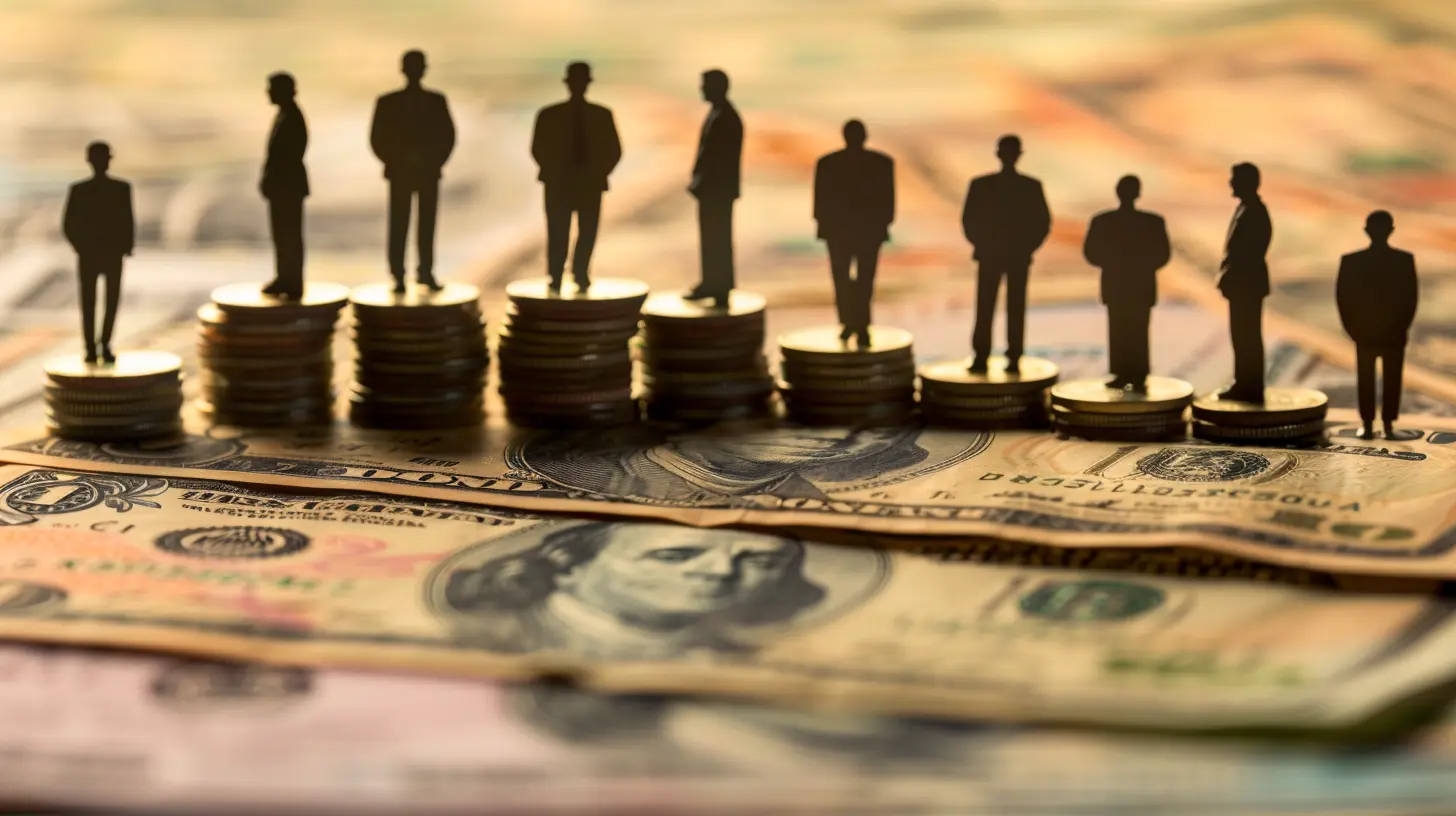
Trickle-Down Economics or Trickle-Up Inequality?
Remember the 1980s? (Okay, maybe you don’t, but stay with me here.) Back then, the magical buzzword was “trickle-down economics.” The idea was simple: give the rich tax breaks and incentives because they’ll invest more, create jobs, and somehow, magically, wealth would trickle down to everyone else.Spoiler alert: it didn’t quite work out that way.
Instead of creating prosperity for all, it made the wealthy even wealthier. Why? Because political power favored the upper class with preferential tax policies and deregulations that allowed the rich to stash money in offshore accounts or take advantage of capital gains loopholes (while the average Joe was taxed at a higher rate just for earning a salary).
Lobbying: Legally Buying Influence
Ah, lobbying—the not-so-secret sauce in the recipe for economic inequality. In theory, lobbying is just a way for citizens and organizations to influence politicians. In practice? It’s a billion-dollar industry where big corporations and the elite whisper sweet nothings (and campaign donations) into the ears of lawmakers.Let’s break it down like a Netflix drama:
- Big corporation wants lower regulations.
- Hires lobbyists to wine and dine politicians.
- Politicians pass favorable laws in return (whether directly or indirectly).
- Public gets the short end of the economic stick (again).
Essentially, political power can be bought—and when it is, it’s rarely used to level the playing field.
Gini What? The Numbers Don't Lie
Let’s toss in a little data without making your brain melt. The Gini coefficient is a number from 0 to 1, where 0 means perfect equality and 1 means one person has all the wealth while everyone else has none. Countries with more democratic accountability and less political corruption tend to have lower Gini scores (more equality). Countries with fragile democracies or authoritarian regimes? High Gini scores (aka huge inequality).Moral of the story? When political power is concentrated in the hands of a few, economic inequality follows like a shadow at high noon.
Case Study Time: A Tale of Two Countries
Let’s compare two real-world examples (names have not been changed because, well, they’re countries):United States
Often hailed as the "land of opportunity," the U.S. is also the land where CEOs earn 350x more than the average worker. Policies in the last few decades (think: tax cuts for the rich, deregulation, reduced union power) have created an economic system that favors capital over labor. Much of that was fueled by political decisions heavily lobbied by corporations and the wealthy elite.Sweden
Ah, the land of Ikea, ABBA, and... reasonably low economic inequality. Sweden has strong labor unions, progressive taxation, and robust social welfare programs. All of these are results of political choices made to distribute both power and money more evenly. Not perfect, but way more equitable than the U.S.The Vicious Circle: Inequality Breeds More Power
Here’s where things get really sketchy.Once the rich gain political influence, they use that influence to push policies that make them richer. Then, with even more wealth, they gain even more political clout. Rinse and repeat. It’s like a financial feedback loop from hell.
And when everyone else sees the system is rigged, trust in government collapses. People stop believing their voice matters, voter turnout drops, and surprise: that just gives the powerful even more leeway to do as they please.
Who’s Most Affected?
Short answer: Mostly everyone who isn’t in the top 1%.But let's detail it out:
- The working class faces stagnant wages, fewer benefits, and job insecurity.
- Minority communities bear the brunt of unequal school systems, healthcare, and policing.
- Small businesses get drowned out by the mega-corporations that can afford to "pay to play".
- Young people find it harder to climb the economic ladder due to insane student debt and sky-high housing prices.
Political decisions weave all of these into the same ugly economic tapestry.
Can Political Power Reduce Inequality?
Okay, let’s flip the coin now. While political power often fuels inequality, it can also be harnessed to reduce it. Crazy, right?Policies that actually reduce inequality aren’t mythical unicorns. They exist and work:
- Progressive taxation: Taxing the uber-wealthy and using it to fund public services.
- Universal healthcare: Reduces the financial burden on lower-income families.
- Free or affordable education: Levels the playing field for the next generation.
- Strong labor laws: Protect workers and support fair wages.
But spoiler: these measures require political will. And political will only happens when people organize, vote, and hold leaders accountable.
The Bottom Line: Power to the People (Maybe?)
No matter how you slice it, political power is tangled up in the economic fate of nations. If we want a fairer economic system, we can’t just tweak numbers or hope the market suddenly grows a conscience. We have to address the roots—who has power, how they got it, and what they're doing with it.That means more transparency. It means getting money out of politics (looking at you, Citizens United). It means voting with both our ballots and our dollars. And maybe, just maybe, not settling for trickle-down economics when we're thirsty for actual change.
Final Thoughts
So next time you hear a politician talking about how they’re going to “fix” the economy, ask yourself: who’s pulling their strings? Because the influence of political power on economic inequality isn’t just real—it’s the elephant in the room wearing a three-piece suit and a campaign sticker.And unless we start connecting the dots between power and policy, we’ll keep spinning our wheels while the elite speed off in golden Lamborghinis.
all images in this post were generated using AI tools
Category:
Income InequalityAuthor:

Zavier Larsen
Discussion
rate this article
1 comments
Zevonis Schultz
Political power shapes economic landscapes, but often for the few. When decisions benefit the elite, inequality soars. A truly equitable economy demands leaders who prioritize the many over the privileged.
July 13, 2026 at 12:25 PM
Zavier Larsen
You make a crucial point. True change requires leaders committed to uplifting everyone, not just the privileged few. Closing the inequality gap starts with inclusive decision-making.