The Link Between Your Daily Routine and Financial Leaks
19 September 2026
Most people believe their money problems come from big decisions. A bad investment. An expensive car. A house they could not really afford. Sometimes that is true. But in my years of working with households and small business owners, the leaks that hurt the most are rarely dramatic. They are small, repetitive, and invisible. They hide inside the routine you follow every single day without thinking.
Your daily routine is a financial system, whether you designed it that way or not. Every habit you repeat creates a predictable outcome. Repeat it 300 times a year and a small leak becomes a flood. This article is about finding those leaks, understanding why they exist, and fixing them without turning your life into a spreadsheet.
Why Routine Matters More Than Willpower
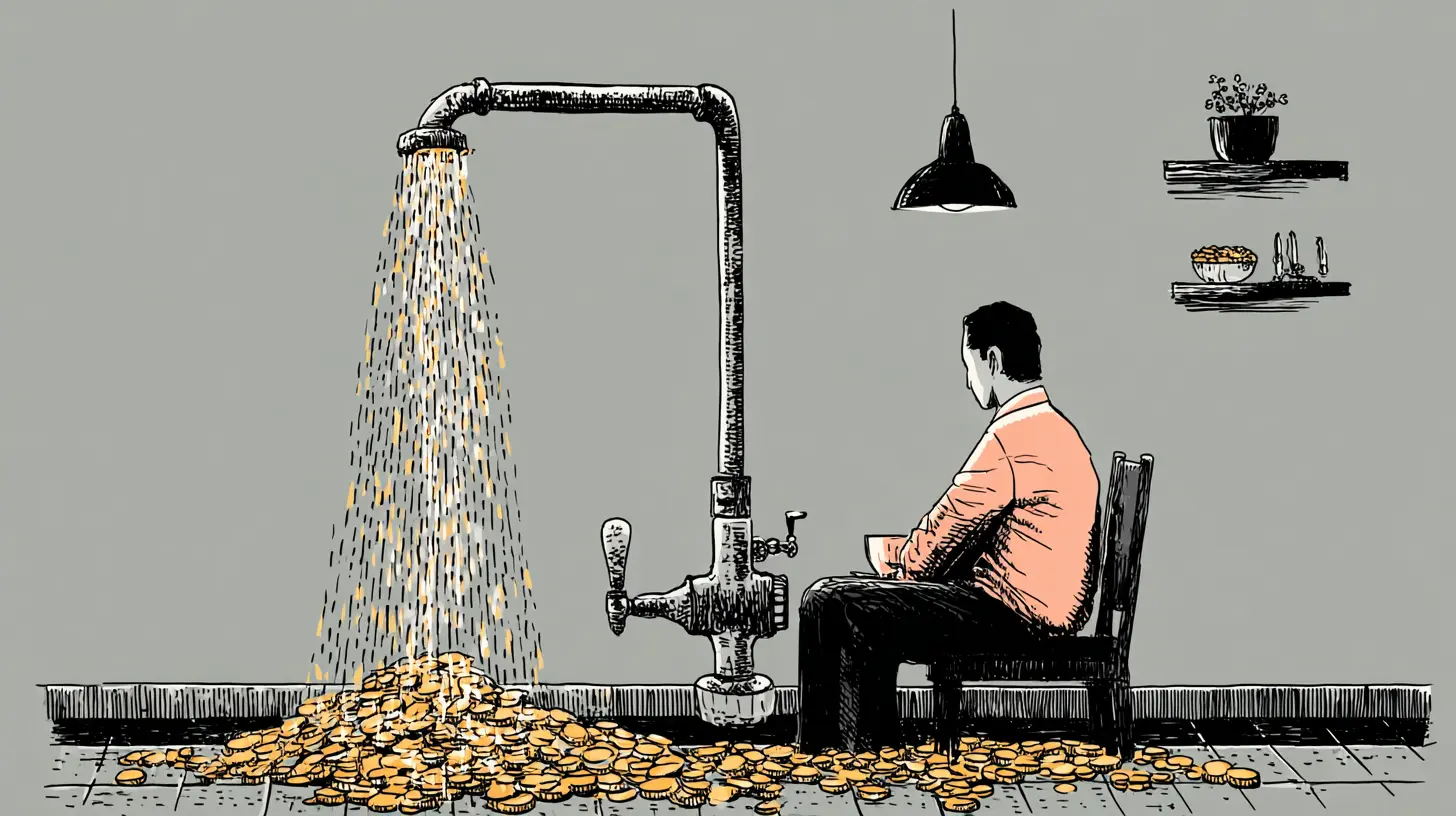
Willpower is a terrible financial tool. It runs out. It fluctuates with sleep, stress, and hunger. Routine, by contrast, runs on autopilot. That is exactly why it is so powerful and so dangerous.Think about how you pay for things. If you tap your card without looking at the total, you have built a routine that removes friction. Friction is not always bad. In behavioral finance, the gap between wanting something and paying for it is where good decisions live. When you eliminate that gap entirely, you also eliminate your ability to say no.
This is why people who earn similar incomes end up in wildly different financial positions. It is rarely about intelligence. It is about the architecture of their day. The person who packs lunch, checks their balance weekly, and waits 48 hours before non-essential purchases is not more disciplined. They have simply built a system that requires less discipline.
There is a trade-off here. Systems can become rigid. If your routine is so strict that you never enjoy your money, you will eventually abandon it. The goal is not austerity. The goal is intention.
The Five Most Common Routine Leaks
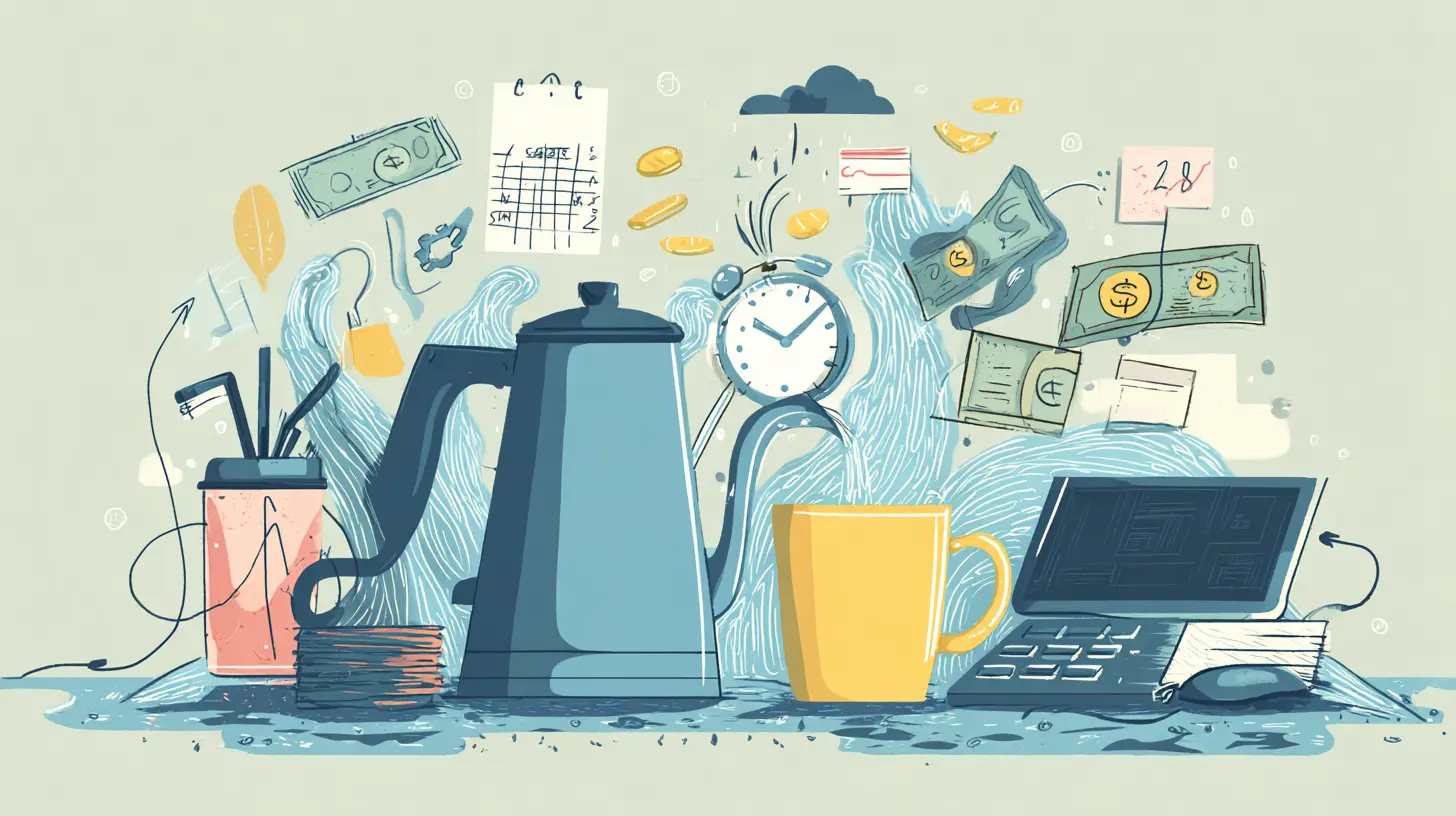
Before we go deeper, let us name the leaks. Most households have at least three of these running at the same time.1. Subscription creep
2. Convenience spending
3. Unplanned grocery and delivery runs
4. Interest and fee accumulation
5. Opportunity cost from idle cash
Each one is small on its own. Together, they can quietly consume 10 to 20 percent of a middle-income household's monthly cash flow. That is not a guess about your situation. It is a pattern I have seen repeatedly in budgeting work.

Subscription Creep: The Leak You Forgot You Signed Up For
Subscriptions are the perfect leak because they are designed to be forgotten. A monthly charge of 9.99 dollars feels trivial. Twelve months later, it is 120 dollars. Multiply that by six services and you are looking at more than 700 dollars a year for things you may not use.The real problem is not the money. It is the decision debt. Every subscription is a tiny recurring decision you never consciously make again. You approved it once, and then your routine absorbed it.
How to Audit Subscriptions Without Losing Your Mind
Do not try to review everything at once. That approach fails because it is overwhelming. Instead, do this:- Open your last two bank and card statements.
- Highlight every recurring charge, even the ones you recognize.
- For each one, ask a single question: did I use this in the last 30 days?
- If the answer is no, cancel it today, not tomorrow.
- If the answer is yes, ask a second question: does it still deliver more value than its cost?
The second question is the one people skip. A subscription can be used and still be a waste. If you pay 15 dollars a month for a service you use twice, that is 7.50 dollars per use. Would you pay that price at the point of sale? If not, it is a leak.
A useful rule: cancel anything you have not used in 60 days. If you miss it, you can resubscribe. The friction of resubscribing is a feature, not a bug.
Convenience Spending: The Tax You Pay for Being Tired
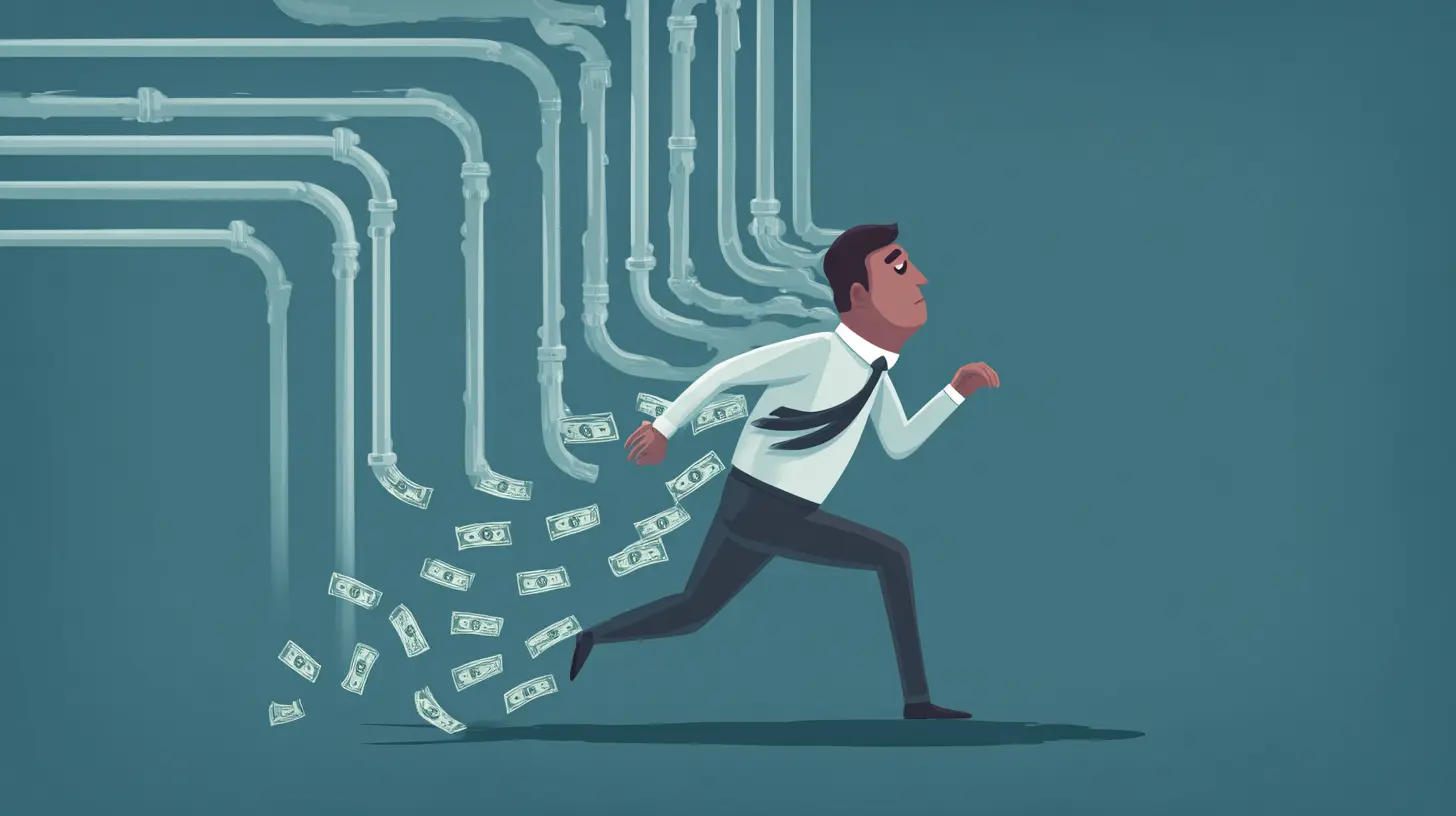
Convenience spending is the money you pay to avoid effort. Food delivery, ride shares, pre-cut vegetables, same-day shipping. None of these are inherently bad. The question is whether you are choosing them or defaulting to them.Here is the distinction that matters. A deliberate convenience purchase saves you time you will use for something valuable. A default convenience purchase saves you five minutes you will spend scrolling. The first is a trade. The second is a leak.
The Tiredness Loop
Most convenience spending happens between 5 pm and 9 pm. That is when decision fatigue peaks. Your routine at that hour determines your spending more than your budget does.If your default evening routine is opening a delivery app, you will spend. If your default is having something defrosted or a simple meal plan, you will not. The fix is not motivation. The fix is preparation.
Practical approach:
- Decide dinner before noon, not at 7 pm.
- Keep three "emergency meals" in the house that take under 15 minutes.
- Delete delivery apps from your phone and use the browser version when you truly need them.
That last tip works because it adds friction. You can still order. You just have to mean it.
Grocery Runs and the Illusion of Saving
People often think they save money by shopping at multiple stores for deals. In practice, this rarely works. Each additional stop increases the chance of unplanned purchases. You go in for chicken and come out with chips, a candle, and a magazine.There is also the frequency problem. Shopping three times a week instead of once increases exposure to temptation by 200 percent. Even if each trip is small, the total rises.
A Better Grocery Routine
- Shop once a week, with a list built from what you already have.- Eat before you go. This is not a cliche. Hunger changes what you buy.
- Use a pickup or delivery option if it prevents impulse buys. The fee can be cheaper than the leakage.
- Track your grocery total for four weeks. Most people are shocked by the variance.
One caveat: bulk buying only saves money if you actually consume the product before it expires. Buying 10 pounds of produce because it was on sale is not saving. It is waste with extra steps.
Interest, Fees, and the Cost of Not Looking
This is the leak that punishes you for ignoring it. A credit card balance carried month to month at a typical double-digit interest rate can cost hundreds of dollars a year. Late fees, overdraft charges, and ATM fees add more.The routine problem here is that these costs are invisible until they are large. You do not feel a 2 percent interest charge the way you feel a 40 dollar dinner. So you keep the balance, and the balance keeps growing.
What to Do Instead
- Set autopay for at least the minimum on every account. This prevents late fees.- Better, set autopay for the full statement balance if you can.
- Check your accounts weekly, not monthly. Weekly checks catch problems before they compound.
- If you carry a balance, stop using the card until it is paid. Otherwise you are borrowing at high rates for new purchases.
A common misconception is that carrying a small balance helps your credit score. It does not. Paying in full and on time is what builds a strong score. Interest payments are not a credit-building tool.
Idle Cash: The Leak Nobody Talks About
Not all leaks are spending problems. Some are earning problems. If you keep a large sum in a checking account earning almost nothing while inflation runs at 3 percent, you are losing purchasing power every year.This is a routine issue because most people never revisit where their cash sits. They set up a checking account years ago and never moved the surplus.
The Trade-Off
Emergency funds need to be liquid. That is non-negotiable. But "liquid" does not mean "earning zero." A high-yield savings account or a money market fund can offer both access and a reasonable yield.The trade-off is complexity. Every extra account is another login, another statement, another thing to monitor. If you have a tendency to forget accounts, a simpler setup may serve you better. The best system is the one you will actually maintain.
A reasonable structure:
- One checking account for bills and daily spending.
- One high-yield savings account for the emergency fund.
- One separate account for short-term goals like travel or a car repair.
That is it. Three accounts. Anything more and you risk losing track.
How to Diagnose Your Own Routine
You cannot fix what you cannot see. Here is a process I recommend to anyone who wants to find their leaks.Step 1: Track for 14 Days
Not 30. Fourteen is enough to see patterns and short enough that you will actually finish. Record every transaction, including cash. Use a notes app or a small notebook. The method does not matter.Step 2: Categorize by Trigger, Not by Type
Most budgets categorize by what you bought. That is less useful than categorizing by why. Ask: was this planned, convenient, emotional, or social? You will quickly see that most leaks fall into one or two triggers.Step 3: Find the Routine Behind the Trigger
If most of your unplanned spending happens after work on Fridays, the problem is not the spending. It is the transition from work to weekend. Change the transition and the spending changes.Step 4: Replace, Do Not Just Remove
A habit removed leaves a vacuum. If you cancel your daily coffee run, you need something to fill that 20 minutes. Otherwise you will drift back. Replace it with a walk, a call, or a home-brewed coffee ritual. The replacement does not need to be productive. It just needs to exist.Common Mistakes People Make
I have watched many people try to plug leaks and fail. The failures usually look the same.- Cutting everything at once. This leads to burnout and rebound spending.
- Ignoring small leaks because they feel insignificant. Small leaks compound.
- Relying on memory instead of records. Memory is unreliable and biased toward recent events.
- Setting up too many accounts or apps. Complexity kills consistency.
- Treating a budget as a restriction instead of a plan. Language matters.
- Forgetting to include irregular expenses like insurance, car maintenance, and annual fees.
Each of these mistakes shares a root cause: trying to change too much through willpower instead of changing the environment.
Best Practices That Actually Hold Up
After years of working with real households, a few practices consistently work.Automate the Good Decisions
Move money to savings the day you get paid. Pay bills automatically. Set investment contributions on a schedule. When the good decision happens without you, you cannot forget it.Review Weekly, Not Monthly
A 15-minute weekly review catches problems early. You see the subscription you forgot, the fee you did not expect, the grocery total that crept up. Monthly reviews are too late.Use a Waiting Period for Non-Essentials
A 48-hour rule works for most people. If you still want it after two days, buy it. If you forget about it, you saved money and learned something about the purchase.Name Your Goals
"Save more" is not a goal. "Save 3,000 dollars for a car repair by December" is a goal. Named goals compete with impulse spending in a way that vague intentions never do.Build a Buffer
A one-month buffer in checking prevents overdrafts and reduces the stress that drives bad decisions. It is not the same as an emergency fund. It is operating cash.When Routine Fixes Are Not Enough
I want to be honest with you. Not every financial problem is a routine problem. If your income does not cover your basic expenses, no amount of habit optimization will fix it. In that case, the work is on the income side: negotiating pay, adding hours, changing jobs, or reducing fixed costs like housing and transportation.Routine fixes work best when there is surplus being wasted. They are least effective when there is no surplus at all.
There is also a psychological dimension. Some leaks are coping mechanisms for stress, loneliness, or boredom. Plugging the leak without addressing the cause rarely lasts. If you notice that your spending spikes when you are anxious or isolated, the real fix may be a conversation, a hobby, or professional support, not a budget app.
Putting It Together: A 30-Day Reset
If you want a concrete plan, here is one that works.Week 1: Track every expense. Do not change anything yet. Just observe.
Week 2: Cancel unused subscriptions. Set autopay on all bills.
Week 3: Build your grocery list from what you have. Plan three emergency meals. Delete delivery apps.
Week 4: Move surplus cash to a high-yield account. Set up an automatic transfer to savings on payday.
At the end of 30 days, review what changed. Most people find between 100 and 400 dollars a month they did not know they were losing. That is not because they were careless. It is because their routine was never designed on purpose.
The Real Point
Your daily routine is not separate from your finances. It is your finances. Every habit either builds or drains. The good news is that routines are changeable. You do not need to overhaul your life. You need to find the three or four leaks that matter most and redesign the moments around them.Start small. Track for two weeks. Fix one thing. Then fix the next. The compounding works in your favor once the leaks stop.
all images in this post were generated using AI tools
Category:
Spending HabitsAuthor:

Zavier Larsen