The Role of Labor Unions in Fighting Wealth Imbalance
23 July 2026
Let’s face it—money makes the world go ‘round. But when a few are hoarding most of the wealth while the majority scrambles for the scraps, something's seriously off balance. That’s the growing reality in today’s economy, and it raises a big question: Can labor unions help level the playing field?
As income inequality hits new highs — with CEOs making hundreds of times more than their employees — labor unions are stepping up to the plate. But how exactly do they work to fight wealth imbalance? And are they still effective in today’s job market?
Let’s dig in and unpack the role labor unions play in battling this ever-widening wage gap.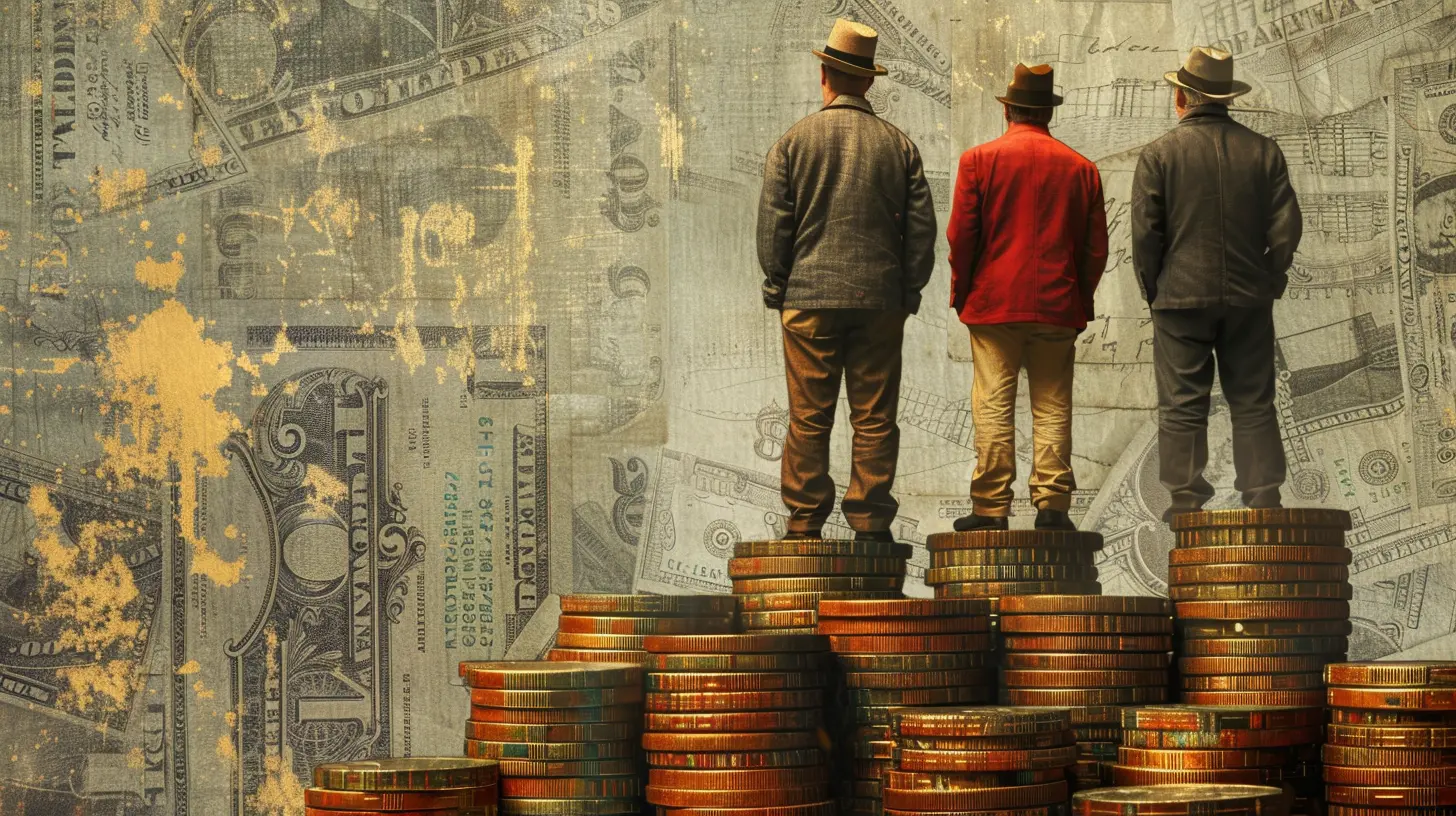
What Is Wealth Imbalance, Really?
Before jumping into unions’ role, let’s clear the air on what wealth imbalance actually means. In simple terms, it’s when assets, income, and resources are unevenly distributed among a population. Think of a pizza where one person gets seven slices, and the other nine at the table split the remaining one slice. Sounds unfair, right? That’s wealth imbalance in a nutshell.This gap keeps growing. In the U.S., the top 1% holds over 30% of the nation’s wealth, while the bottom 50% owns just a tiny fraction. That’s not just bad news for the folks at the bottom—it’s bad for the economy overall. A shrinking middle class means less consumer spending, fewer opportunities, and more social unrest.
Why Labor Unions Matter Today
We’ve all heard of labor unions—maybe in history class or through stories from older relatives. But they’re not just relics of the past. At their core, unions are groups of workers banding together to negotiate better wages, benefits, and working conditions.Now you might ask: “In an age of remote work, gig jobs, and AI-driven layoffs, are unions still relevant?”
Short answer? Absolutely.
Labor unions are more than just bridges between employees and employers. They’re watchdogs against corporate excess, advocates for fair pay, and one of the few institutional forces actively pushing back against wealth inequality.
How Labor Unions Help Bridge the Wealth Gap
Let’s look at some of the specific ways labor unions are tackling wealth imbalance head-on.1. Bargaining for Better Wages
This one’s a no-brainer. Higher wages mean more money in workers’ pockets. Unionized workers earn, on average, significantly more than their non-union counterparts. According to the U.S. Bureau of Labor Statistics, union workers make about 10-30% more than similar non-union workers.But it's more than just pay. We're talking real, lasting change that ripples into the local economy. When you pay workers more, they spend more—and that fuels business growth and job creation.
So yeah, when a union negotiates an extra $2 per hour, it may not seem like a revolution, but for many families, it’s the difference between survival and security.
2. Securing Stronger Benefits
It’s not just about the paycheck. Health insurance, retirement plans, paid time off—they all add up big time. Unionized jobs are far more likely to offer these goodies compared to non-union gigs.And these aren’t just perks. They're essential building blocks of long-term financial stability. Think of them as the safety nets that stop people from falling into poverty during tough times.
Health insurance alone can make or break a family's finances. In the U.S., where medical debt is the #1 reason for bankruptcy, this is a huge deal.
3. Reducing Wage Gaps Across Race and Gender
Let’s get real. Wage inequality isn’t just rich vs. poor. It’s also deeply tied to race and gender. Across countless industries, women and minorities earn less than white men doing the same job.Labor unions help close these gaps.
Why? Because union contracts are standardized. Everyone doing the same job gets the same pay, regardless of gender or skin color. Think of it like putting everyone on the same level playing field, where fairness is baked into the rules.
Studies have shown that women in unions earn about 90% of what men do, while non-union women earn only 80%. For Black and Latino workers, unions often mean access to better jobs and higher wages.
4. Advocating for Policy Changes
You know those big legislative wins like the minimum wage, paid sick leave, or workplace safety laws? Many of those didn’t just happen magically. Labor unions pushed for them.Unions are powerful political players. They use their influence to pressure lawmakers into passing policies that support working-class people. Without unions, we wouldn’t have many of the labor protections we now take for granted.
And the fight's not over. Today, unions are on the front lines pushing for higher minimum wages, universal healthcare, parental leave, and protections for gig workers.
Some Real-World Impact
Let me throw some numbers your way.- In states with higher union density, income inequality tends to be lower.
- Union households are more likely to own homes, have savings, and send their kids to college.
- Between 1973 and 2007, roughly a third of the rise in wage inequality among men in the U.S. was due to declining union membership.
That last one is key. As union power fell, CEO pay skyrocketed, and worker wages stayed flat. Coincidence? Probably not.
What About the Critics?
Of course, not everyone’s waving a flag for unions. Some argue they hurt businesses, discourage innovation, or protect underperforming workers. Others claim that they’re outdated in today’s fast-moving, tech-driven economy.But here’s the thing—many of these criticisms miss the mark.
Yes, unions must evolve to stay relevant. But the solution isn't weakening them; it's modernizing them. We’ve seen new forms of labor organizing among rideshare drivers, fast-food workers, and digital freelancers. This shows that the hunger for fairness and economic balance is still alive and well.
Moreover, businesses that work with unions (rather than against them) often see lower turnover, higher morale, and even better productivity. When workers feel respected and protected, they show up and give their best.
The New Wave of Unionizing
There’s been a surge in union activity recently—especially among younger workers. From Amazon and Starbucks to tech companies like Google, employees are organizing in surprising places.Why now?
Simple. People are tired of carrying the weight of record profits while struggling to pay their rent. Millennials and Gen Z have grown up watching income inequality explode, and they’re not buying the “pull yourself up by your bootstraps” speech anymore.
They want fairness. They want a voice. And unions provide that.
Global Perspective: Unions Around the World
It’s not just a U.S. thing. If you zoom out, you’ll see that countries with strong union movements tend to have lower levels of income inequality.Take Sweden, Finland, and Germany, for example. These countries have high union density and relatively small wealth gaps. Coincidence? Again, probably not.
Unions in these places work not just within individual companies but across entire industries. That means consistent pay and benefits regardless of where you work—and less room for corporate greed to run wild.
The Path Forward: Rebuilding Union Strength
So, where do we go from here?To truly tackle wealth imbalance, we need to rebuild and reimagine union power. That means:
- Making it easier to form unions without fear of retaliation.
- Modernizing union structures to include gig workers, freelancers, and part-time employees.
- Educating the public on what unions really do and why they matter.
- Pushing for labor-friendly policies at both local and national levels.
And it’s not just up to workers. Consumers, voters, and even responsible business owners have a role to play in supporting a more balanced economy.
Final Thoughts: Why This Matters More Than Ever
Let’s not sugarcoat it—wealth inequality is one of the biggest threats facing our society today. Without action, we risk becoming a world where opportunity only exists for the few at the top.Labor unions aren’t a magic fix, but they are a critical piece of the puzzle. They give power to the people who actually make things run. They are the voice at the table for millions who’d otherwise be ignored.
And as history has shown, when workers band together, real change happens.
Whether you’re an employee, employer, policymaker, or just someone who believes in fairness, it’s time to recognize the vital role of labor unions in building a more balanced, inclusive economy.
Because at the end of the day, no one wins in a system where only a few thrive, and the rest are left behind.
all images in this post were generated using AI tools
Category:
Income InequalityAuthor:

Zavier Larsen
Discussion
rate this article
1 comments
Phaedra Newton
Labor unions are vital in addressing wealth inequality and promoting fairness.
July 23, 2026 at 12:00 PM
Zavier Larsen
I completely agree. Labor unions play a crucial role in advocating for fair wages and working conditions, ensuring that all workers have a voice in the economic landscape.