The Role of Underwriters: How They Impact IPO Pricing
23 April 2026
When a company decides to go public and starts preparing for an Initial Public Offering (IPO), one of the first names on its call list isn’t a celebrity investor, but rather someone much less glamorous — the underwriter. Odds are, if you’re not knee-deep in finance, you’ve heard the word "underwriter" thrown around but haven’t really stopped to think, “So, what do they actually do?”
Let’s be real — underwriters might not be the stars of the IPO show, but they’re the ones working behind the scenes to make sure everything runs smoothly. Think of them as the directors of a play — not on stage, but without them, the show doesn’t go on.
So today, let’s pull back the curtain and take a deep dive into the world of IPOs and examine the critical role of underwriters, especially when it comes to pricing the stock.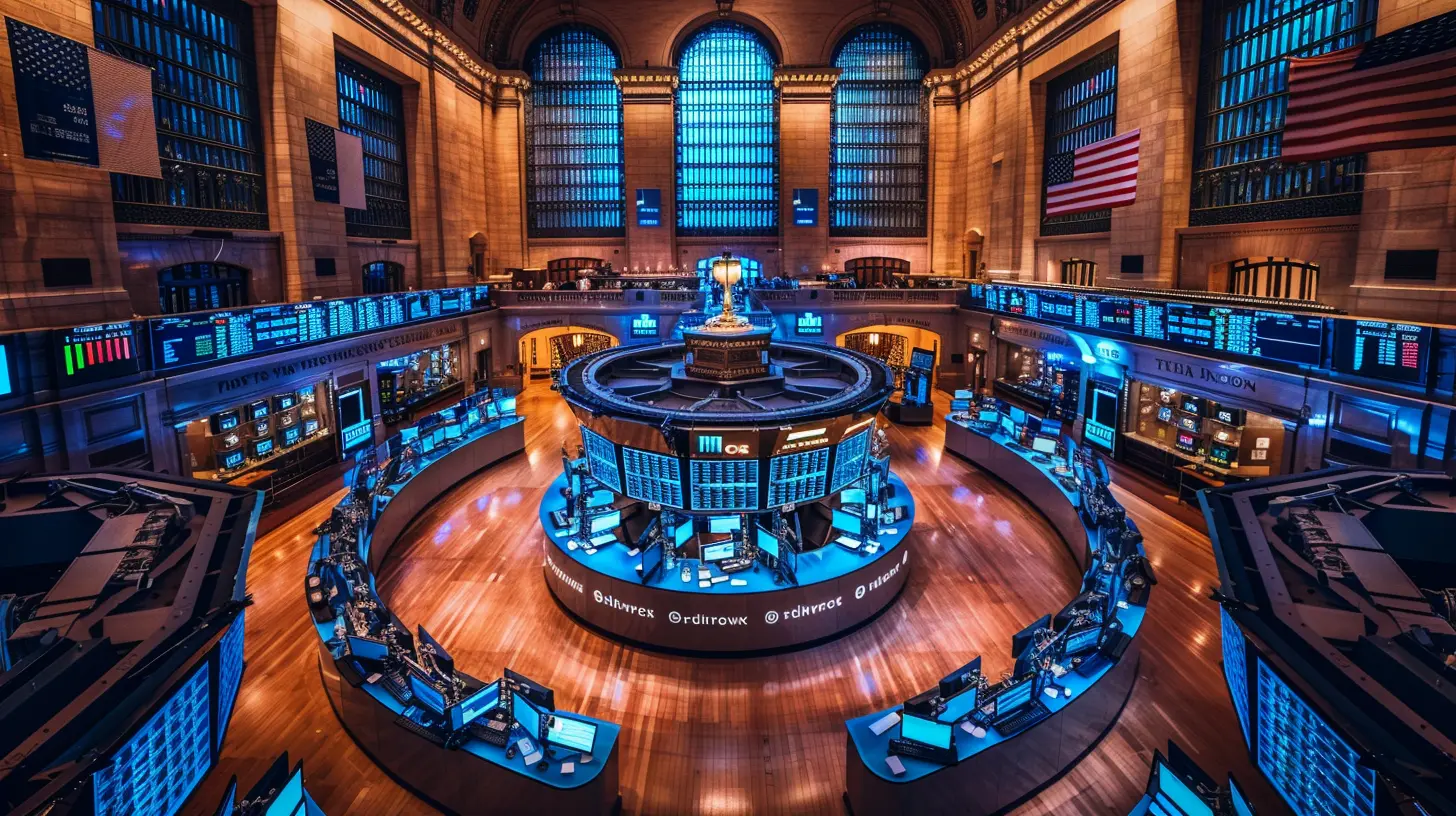
What Is an IPO, Anyway?
Before we get into how underwriters influence IPO pricing, let’s quickly define what an IPO is.An IPO, or Initial Public Offering, is when a private company sells its shares to the public for the first time. It’s a big deal because it transitions a company from a privately held business into a publicly traded one. This opens up a world of investment opportunities for regular folks like you and me while also generating capital for the company.
Sounds simple, right? Not exactly.
There’s a whole maze of paperwork, strategy, compliance, and — you guessed it — pricing that needs to be handled before those shares hit the stock exchange. That’s where underwriters come in.
Who Are Underwriters?
Imagine you’re about to throw a massive house party. You know how to throw a good party, sure, but this time you’re inviting hundreds of investors, regulators, and even some skeptical analysts who want a peek inside. You wouldn’t do it without a professional party planner, right?That’s essentially what underwriters are — they’re financial intermediaries (usually big investment banks like Goldman Sachs, Morgan Stanley, or J.P. Morgan) who help companies go public by managing the entire IPO process.
They’re responsible for:
- Evaluating the company's financials
- Helping decide the IPO price
- Marketing the stock to investors
- Managing regulatory requirements
- Stabilizing the stock post-IPO
But arguably, the biggest role they play? Pricing the IPO just right. Price it too high and the stock tanks. Price it too low and the company leaves money on the table.
Why IPO Pricing Is So Tricky
Setting the price for an IPO isn’t just throwing darts at a board. There’s a delicate balance to strike.Let’s say a new tech startup wants to IPO, and the founders believe their company is worth $10 billion. However, if investors think the company is only worth $6 billion, the IPO could flop. Plus, if the underwriters agree to price the shares at $10 a piece and the stock falls to $5 on Day 1... ouch. That’s egg on everyone’s face.
This is why underwriters are so important. They act as the middlemen who evaluate both the company’s value and the appetite of potential investors.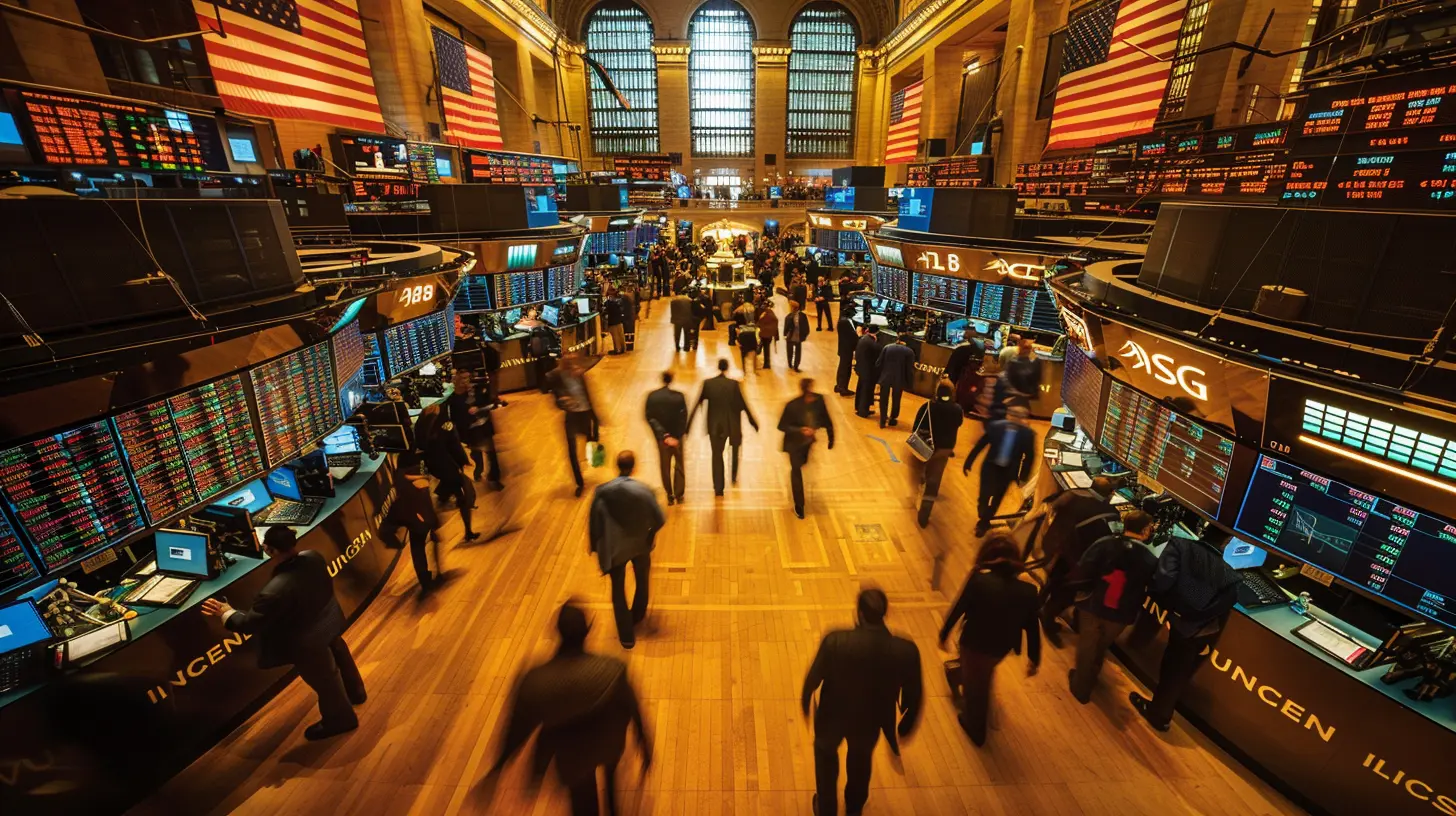
How Do Underwriters Set the IPO Price?
Now we’re getting into the meaty stuff.Underwriters use a mix of art and science to determine the IPO price. And trust me, it’s not as simple as “Let’s go with $20 a share.” Nope. There’s a whole process.
1. Due Diligence and Valuation
It starts with digging deep into the company’s books. Underwriters evaluate everything — revenue, profits, potential growth, the industry vibe, and even the management team. It’s like a financial magnifying glass. They want to answer: “What is this company really worth?”2. Roadshows and Market Feedback
Next comes the roadshow. This isn’t a rock concert, even though it sounds like one. But it’s vital.Underwriters and the company’s execs tour around meeting institutional investors (like hedge funds and asset managers) to pitch the company. During these pitches, they gather feedback — particularly around how much these investors are willing to pay for shares.
3. Book Building
No, they’re not writing novels. “Book building” is the process of tracking investor interest to determine demand for the stock. Let’s say a lot of firms are willing to buy in at $18-$20 per share — that gives underwriters a hint that this is the sweet spot.4. Final Pricing Decision
After all the data, feedback, and gut checks, underwriters recommend a final price. They balance the risk and rewards, considering how the stock might perform once it hits the public market.And here’s where the magic (or chaos) usually happens.
The Fine Line: Undervaluation vs. Overvaluation
Now that we know how IPO pricing works, let’s talk about the two major ways it can go sideways…Undervaluation
If the IPO is priced too low, the stock might soar on opening day — which sounds great, but not so fast. It actually means the company could’ve made way more money had it priced the shares higher.Take LinkedIn’s IPO in 2011, for example. The stock doubled on the first day. Awesome? Depends on who you ask. The company raised $352 million but left roughly the same amount on the table. That’s money that could’ve gone to the company's treasury.
Overvaluation
On the flip side, if the IPO is priced too high, the stock can crash. And nothing says “bad press” like a sinking ship on your debut. Investors lose confidence, and the company starts its public journey with a big red flag.Remember WeWork? Okay, they didn’t even make it to IPO, primarily because underwriters couldn’t justify the valuation. That's the power underwriters hold.
How Underwriters Make Money (And Why It Matters)
You’re probably wondering, “What’s in it for them?” Great question.Underwriters get paid in fees — often around 5% to 7% of the total IPO proceeds. So, there’s a strong incentive for them to get the pricing right. Too low, and they lose credibility. Too high, and investors lose trust.
Also, underwriters sometimes agree to buy the shares from the company and then resell them to the public (this is called a “firm commitment”). That means they’re essentially putting their own money on the line.
So yeah, they have skin in the game.
Stabilization: What Happens After the IPO?
Just because the IPO is launched doesn’t mean the underwriter’s job is done. They usually stick around for a little while to help ensure smooth sailing.If the stock price dips too much in the early days, underwriters might even buy back shares to keep the market stable. Kind of like putting training wheels on a bike.
After a few weeks — typically after the “quiet period” ends — the market takes over, and the underwriter steps back.
The Underwriter’s Influence on the Stock Market
Let’s zoom out for a second. Underwriters don’t just influence individual IPOs. They actually have a wider impact on the market overall.Institutional investors often trust the judgment of reputable underwriters. So, when a big-name underwriter backs an IPO, it adds a layer of legitimacy, encouraging more investment.
This influences:
- Market sentiment
- Investor confidence
- Stock market performance, especially in the short term
So yeah, underwriters are kind of a big deal.
Do All IPOs Have Underwriters?
Most do. But there are exceptions.Some companies, like Google and Spotify, chose a Dutch auction or direct listing, respectively. These methods reduce reliance on underwriters and let the market do more of the pricing job. However, they come with their own set of complexities and risks.
Still, the traditional IPO route with seasoned underwriters remains the most common — and for good reason.
So, Are Underwriters Heroes or Villains?
That depends. When everything goes well, underwriters are the unsung heroes ensuring a company goes public with grace and confidence. But when there's a mispricing debacle or a botched launch, they’re the scapegoats.At the end of the day, underwriters walk a financial tightrope. They juggle investor demand, company expectations, market conditions, and their own reputation. Can’t be easy, right?
Their decisions influence billions of dollars, set the tone for new public companies, and ripple through the markets. So yeah, despite being behind the scenes, they deserve more credit than they get.
Final Thoughts
Underwriters may not be front-page names, but their fingerprints are all over every successful (or not-so-successful) IPO. They price the shares, manage the chaos, calm the nerves, and ensure someone’s steering the ship during one of the most important moments in a company’s life.The next time you see a company ringing the bell at the stock exchange, remember — behind those smiles, there's a team of underwriters who made it all possible.
all images in this post were generated using AI tools
Category:
Ipo InsightsAuthor:

Zavier Larsen
Discussion
rate this article
2 comments
Sloan Vaughn
Underwriters: the financial wizards who turn dreams into dollar signs—abracadabra! 🪄✨
April 25, 2026 at 10:49 AM
Zavier Larsen
Exactly! Underwriters really do have a magical touch in shaping IPO success.
Candace Mendoza
Underwriters are crucial gatekeepers; their influence shapes IPO success and market perceptions dramatically.
April 24, 2026 at 2:55 AM
Zavier Larsen
I appreciate your insights. Underwriters indeed play a vital role in shaping perceptions and pricing strategies during IPOs. Their expertise can make all the difference.