The Role of Venture Capital in IPOs: Fuel or Fizzle?
31 July 2026
When we hear about tech companies going public and making headlines — Zoom, Airbnb, or Snowflake — there's one key player working behind the scenes like a silent engine powering the rocket: venture capital. But does venture capital (VC) truly fuel a company’s journey to Initial Public Offering (IPO), or does it sometimes cause things to fizzle before they even take off?
Let’s dive deep into the rollercoaster world of venture capital and IPOs. Grab a coffee and buckle up!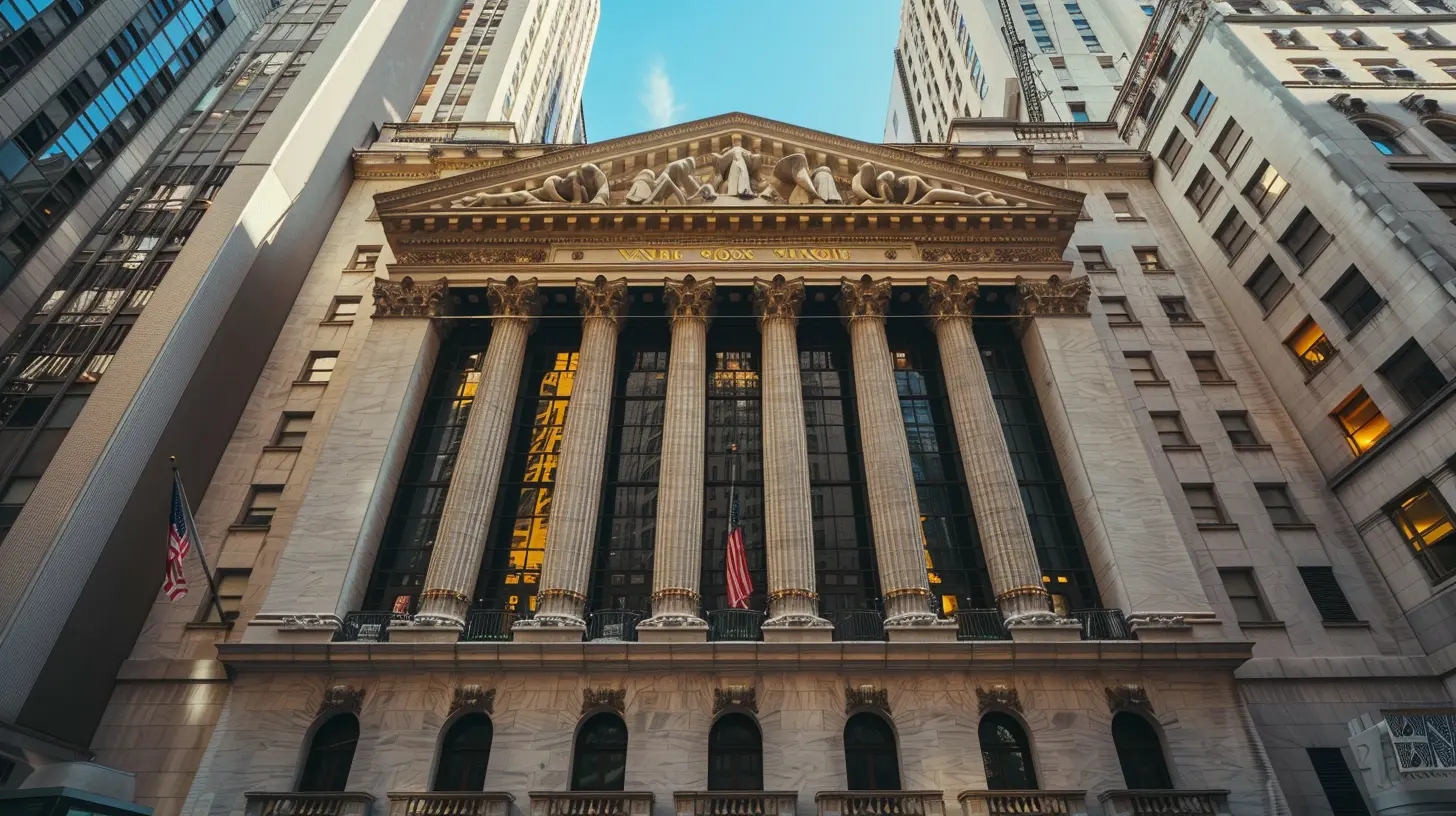
What Exactly Is Venture Capital?
Before we get into who’s bringing the fireworks to the IPO party, let’s understand the basics.Venture capital is a form of financing provided by investors to startups and small businesses that are believed to have long-term growth potential. These investors — venture capitalists — are often seasoned industry experts, former entrepreneurs, or specialized investment firms.
Here's the thing: VC is not your typical loan from a bank. Nope. Investors aren’t looking to get paid back with interest. Instead, they take a slice of the company — equity — and ride the wave hoping it turns into a money tsunami if the company goes public or gets acquired.
Sounds risky, right? That’s because it is.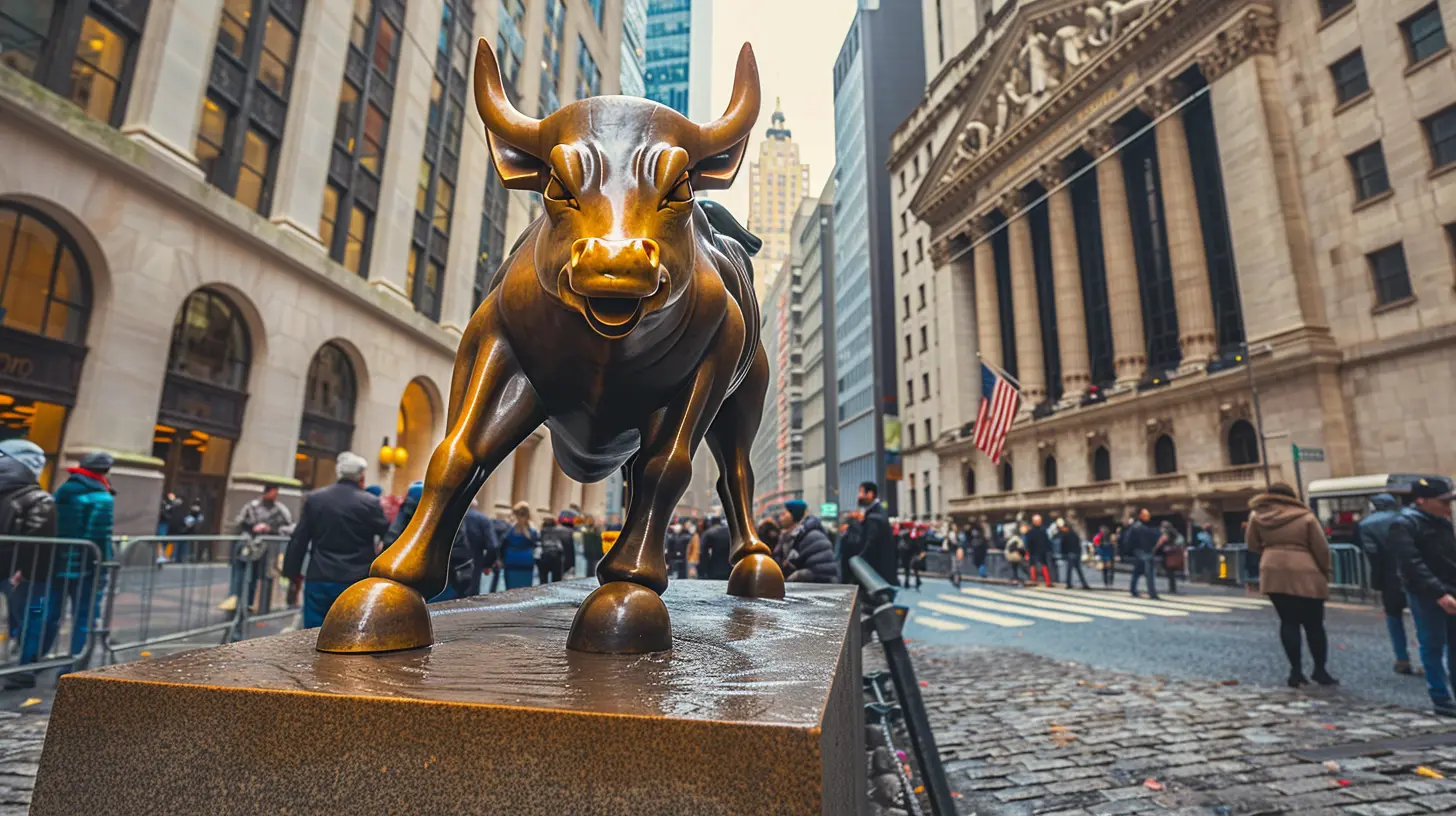
IPOs: The Jackpot Moment (Or Not)
An IPO, or Initial Public Offering, is when a private company decides to go public by listing shares on the stock market. It's like a coming-of-age ceremony for startups — a signal that they’ve made it to the big leagues.For venture capitalists, this is often the “liquidity event” they've been waiting years for. It’s their chance to recoup investments and hopefully walk away with hefty profits.
But here’s the twist: not every company that gets VC funding makes it to IPO glory. Some crash and burn well before ringing the Nasdaq bell. So, is VC truly a fuel, or does it sometimes act as a fizzle in disguise?
How Venture Capital Propels Companies Toward IPOs
1. Access to Capital (Obviously)
Let’s face it — startups are expensive. From hiring top-notch talent to developing revolutionary products, the bills add up fast.VC provides the deep pockets startups need without forcing them to sell their soul or drown in debt. With consistent funding rounds, companies can focus on scaling, R&D, and building a solid business model — all things that ultimately make them IPO-worthy.
2. Credibility Boost
Having a reputable venture capital firm backing your company? That’s like wearing a designer suit to a job interview. It instantly builds trust.Well-known VC firms like Sequoia Capital, Andreessen Horowitz, or Accel come with industry credibility and networks. Their involvement not only attracts other investors but also media attention, potential customers, and top-tier employees.
3. Strategic Guidance and Mentorship
Venture capitalists aren’t just cash dispensers. They’re also seasoned pros who’ve seen it all — the good, the bad, and the financially ugly.They bring in mentorship, help with decision-making, and often take seats on the board. For founders juggling a dozen hats, this guidance can be pure gold.
4. Setting Sights on the IPO Early
Most venture capitalists are in it for the exit. They invest knowing that their payday comes when the company either goes public or gets acquired. This creates a built-in drive for scaling fast and smart.In short, venture capital often lights a fire under startups to get IPO-ready faster than they might on their own.
The Limits and Risks: When Too Much VC Can Backfire
Now, just because VC can be rocket fuel doesn’t mean it’s always a smooth ride. Sometimes, that fuel leaks, and the rocket explodes.1. Pressure to Grow — Fast and Furious
VCs are in it to win it — and they want their returns sooner rather than later. That means startups often feel intense pressure to scale rapidly.This can backfire. Growing too quickly without building a strong foundation is like building a skyscraper on sand. It looks impressive — until it crumbles.
2. Loss of Control
Every time a company raises a new funding round, they give away a piece of the pie. Eventually, founders can find themselves running a company where they no longer hold much say.Imagine starting your dream company…and then being told how to run it by people who weren't there from the beginning. Not so dreamy, right?
3. Overvaluation Drama
Here’s where things get dicey. VC firms sometimes pump up company valuations to attract more funding. The company looks like a unicorn on paper, but that can create unrealistic expectations.When the IPO finally happens, and public markets don’t agree with the valuation? Boom. The stock tanks. Investors panic. Morale plummets.
Remember WeWork’s debacle? Yeah. That’s overvaluation gone wild.
Real-Life Stories: Fuel or Fizzle?
? Fuel: The Case of Airbnb
Airbnb is a poster child for VC-fueled IPO success. After raising billions from VC firms, the company made a jaw-dropping stock market debut in 2020 — right in the middle of a pandemic.The support, mentorship, and strategic push from VC firms helped Airbnb refine its model and gear up for a massively successful public launch.
? Fizzle: The Tale of Theranos
Theranos also had strong VC backing but lacked something crucial — transparency and a viable product.Despite raising over $700 million in venture capital, the company didn’t even make it to IPO. Instead, it became one of the greatest cautionary tales in modern finance.
The takeaway? VC funding can't replace good governance or a solid business model.
So, Is Venture Capital a Necessity for IPOs?
Here’s the honest truth: not always.There are plenty of companies that have gone public without major VC backing. But, having venture capital can drastically accelerate the journey — like switching from a bicycle to a sports car.
VC provides tools, talent, and traction. But it’s not a guarantee. It’s more like a jigsaw piece — a big one, sure — in the puzzle of a company’s success.
The Investor’s Perspective: Double or Nothing
For venture capitalists, IPOs are both thrilling and high-risk. They pour millions into startups hoping they’ll sprout billion-dollar exits. When it works? Jackpot. When it doesn’t? Ouch.So they diversify. A VC firm might invest in 10 startups knowing only one will hit it big. Kind of like betting on multiple horses and praying one wins.
This high-risk, high-reward game keeps them sharp, informed, and deeply involved in pushing startups toward IPOs.
Future Trends: Evolution of VC and IPOs
The finance world is changing rapidly, and so is the VC-to-IPO pipeline.? Direct Listings and SPACs
Some startups are skipping traditional IPOs and going for direct listings or SPACs (Special Purpose Acquisition Companies). These methods sometimes reduce reliance on venture capital and give founders more control.? Rise of Micro VCs and Angel Investors
Not every startup needs millions upfront. The rise of smaller VC firms and angel investors allows more flexibility and tailored support.? Focus on Sustainability and Social Impact
Modern VCs are now focusing on more than just profits. They want companies that make a societal impact, too. Think ESG (Environmental, Social, and Governance) goals.This trend not only shapes what kind of startups get funded but also how they’re perceived by public investors at IPO time.
Final Thoughts: So, Fuel or Fizzle?
Here’s the bottom line:Venture capital can absolutely be the fuel that launches a startup to IPO glory. It's the wind beneath the wings, the rocket booster, the battery pack in the Tesla of entrepreneurship.
But — and it’s a big but — without the right foundation, all that fuel can cause a fizzle or even an explosion.
So if you're a founder, ask yourself: Am I ready to partner with venture capitalists? Can I handle the pressure, the expectations, the sharing of control?
And if you're an investor or an enthusiast watching from the sidelines, remember this: The VC-IPOs relationship is complex, thrilling, and never boring. It's a marriage of money and risk, strategy and luck.
Either way, venture capital remains one of the most exciting forces shaping the future of public markets.
Still thinking IPOs are all about ringing a bell on Wall Street? Think again — it's a venture-backed journey, every step of the way.
all images in this post were generated using AI tools
Category:
Ipo InsightsAuthor:

Zavier Larsen
Discussion
rate this article
1 comments
Norah Hughes
This article highlights an important aspect of the finance world. Understanding how venture capital influences IPOs can really shape investment strategies. Great insights!
August 10, 2026 at 2:56 AM
Zavier Larsen
Thank you for your thoughts! I'm glad you found the insights valuable. Understanding these dynamics is key for any investor.