Understanding Bull and Bear Markets in Simple Terms
4 February 2026
Let’s face it—stock market lingo can sound like a foreign language. If you’ve ever heard someone mention a "bull market" or a "bear market" and just nodded along hoping they wouldn’t ask your opinion, you’re not alone. These terms get thrown around a lot in the finance world, especially when things are either going great—or not so great.
But don’t worry. You don’t need to be a Wall Street insider to get what these markets are all about. Sit back, grab your coffee (or tea, no judgment), and let’s break this down in plain English.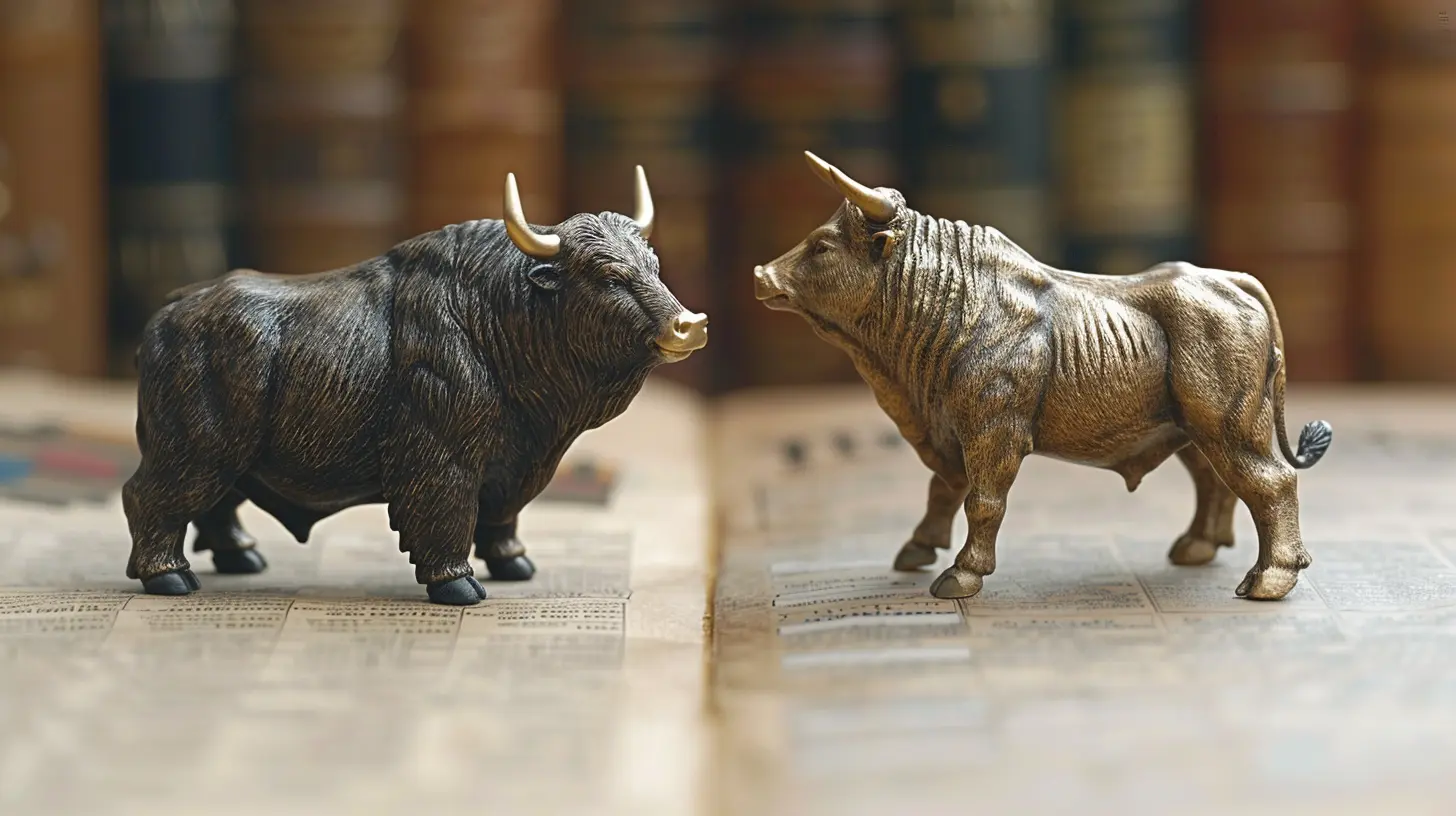
What Is a Bull Market?
Let’s start with the bull.A bull market is what investors dream of at night. It's when the market is charging ahead like a bull—prices are rising, optimism is strong, and people are excited. Picture a bull thrusting its horns upward. That upward motion? Yep, that symbolizes rising prices in the stock market.
Typically, the term refers to a period when the prices of securities (like stocks) go up by 20% or more from a recent low. But it’s more than just numbers. It’s about vibe. People are confident. They’re buying more. Companies see their stock prices climb, and investors are generally thriving.
Common Characteristics of a Bull Market:
- Growing investor confidence- Strong economic indicators (like rising GDP and low unemployment)
- High demand for stocks
- Prices going up continually over months or even years
The last major bull market? It started after the 2008 financial crisis and ran all the way until early 2020. That’s over a decade of mostly-good times.
What Is a Bear Market?
On the flip side, we’ve got the bear market. And yep, it’s exactly what you think—a bit of a bummer.Imagine a bear swiping its paws downward. That motion resembles prices dropping in the market. A bear market happens when stock prices fall by 20% or more and stay down for a while. It’s not about one bad day—it’s a longer trend of decline.
People start getting nervous. Selling increases, confidence shrinks, and suddenly everyone’s checking their portfolios a little too often (and maybe even crying a little inside).
Common Characteristics of a Bear Market:
- Falling investor confidence- Weak economic indicators (like high unemployment, low consumer spending)
- Decreased demand for stocks
- Prolonged period of pessimism
We saw a textbook bear market hit in early 2020 thanks to COVID-19, though it flipped back to bull territory pretty quickly after massive stimulus efforts.
So, Why Do These Markets Happen?
That’s the million-dollar question, isn’t it?Markets swing between highs and lows because of a mix of investor psychology, economic events, and market fundamentals.
People get excited when things look good—they buy more stocks, and prices go up. When headlines start looking scary (like inflation spikes or geopolitical issues), people panic and start selling. And down things go.
Let’s break that down a bit further.
Emotions and the Market
If markets were robots, bull and bear seasons would be way easier to predict. But since they’re driven by human beings (who aren’t exactly the poster children for rational thinking), emotions play a huge role.- In bull markets, optimism and fear of missing out (FOMO) leads people to buy more.
- In bear markets, fear and panic fuel the selling.
It’s a tug-of-war between hope and anxiety—just like life.
What's Going On Economically?
Sometimes it's broader economics doing the talking. If the job market's strong, inflation’s under control, and interest rates are low, people feel good about investing. That’s bull territory.But if the economy’s slowing down, interest rates are rising, or there’s a recession fear, things can take a bearish turn real quick.
Bull vs. Bear: How to Tell the Difference
Want to know if we’re in a bull or bear market right now? Here are some signs to watch.| Feature | Bull Market | Bear Market |
|--------|-------------|-------------|
| Stock Prices | Rising steadily | Falling steadily |
| Investor Mood | Optimistic | Pessimistic |
| Economic Indicators | Positive (growth, jobs) | Negative (slowdown, layoffs) |
| Trading Volume | Higher | Lower or panic-driven |
| Investment Strategy | Long-term growth focus | Defensive or short-term hedging |
You don’t need to be glued to CNBC to spot these trends. Just keep an eye on the headlines, your own investments, and the general spirit of the economy.
How Long Do These Markets Last?
Bull and bear markets don’t last forever. They’re like the seasons—sometimes you get sunshine and sometimes it's cold and gray.Bull Markets Tend to Be Longer 🐂
Historically, bull markets last longer. On average, they hang around for a few years. Since 1926, the average bull market has lasted about 6-7 years.Bear Markets Tend to Be Shorter 🐻
Bear markets, thankfully, are usually briefer—averaging about 1-1.5 years. But they can feel longer because they’re stressful.What Should You Do in Bull or Bear Markets?
Great question. And here's where things get personal.Everyone's situation is different, but here’s a general game plan:
During a Bull Market:
- Stay invested: Don’t try to time the top. It’s nearly impossible.- Rebalance occasionally: As prices rise, your portfolio might get out of whack.
- Take profits if needed: It's okay to cash in on gains, especially if you’ve hit your goals.
During a Bear Market:
- Don't panic sell: Selling during a crash locks in your losses.- Look for opportunities: Stocks are "on sale" during downturns.
- Focus on long-term goals: Remember your why.
- Review your risk tolerance: If you're losing sleep, it might be time to adjust your investments.
Do bear markets suck? Absolutely. But they're also part of the cycle. No storm lasts forever—and neither do market dips.
Can You Predict a Bull or Bear Market?
Short answer: not really.Plenty of analysts try to call the top and bottom of markets, but even the pros get it wrong. That's why the best strategy over the long term is to stay invested, stay diversified, and not let fear or greed take the wheel.
Trying to predict the market is like trying to guess the weather a month from now. You might get lucky, but most of the time, you're just throwing darts.
Final Thoughts: It’s All Part of the Ride
Understanding bull and bear markets isn't just about knowing random finance terms—it’s about getting a feel for how the market behaves and staying calm no matter what it throws your way.Think of investing as a road trip. Sometimes the roads are smooth and you're flying down the highway (bull market). Other times you're stuck in traffic with a flat tire (bear market). But if you keep your eyes on the destination, you’ll get there eventually.
So next time someone starts talking bull or bear, you won’t need to fake a head nod. You’ve got this.
Quick Recap
- Bull Market = Prices rising, optimism, opportunity.- Bear Market = Prices falling, fear, caution.
- Markets go through cycles—nothing stays up or down forever.
- Emotional discipline and long-term thinking are your best investment tools.
all images in this post were generated using AI tools
Category:
Financial EducationAuthor:

Zavier Larsen
Discussion
rate this article
2 comments
Delta Cooper
Master bull and bear markets to empower your financial journey and seize opportunities!
March 3, 2026 at 3:38 AM
Zavier Larsen
Thank you! Mastering these concepts truly empowers informed financial decisions and helps seize valuable opportunities.
Daniel McNair
Delve into the enigmatic world of bull and bear markets—where fortunes shift, and trends don’t just whisper but roar. Are you ready to uncover the hidden signals behind the chaos?
February 4, 2026 at 1:20 PM
Zavier Larsen
Absolutely! Understanding bull and bear markets unlocks the secrets to navigating market trends and making informed investment decisions. Let's dive in!