Why Wealth Inequality Is Threatening Economic Growth
23 June 2026
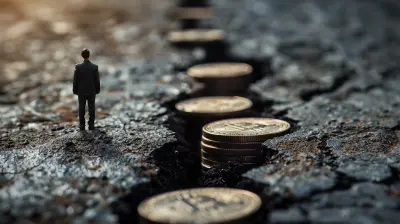
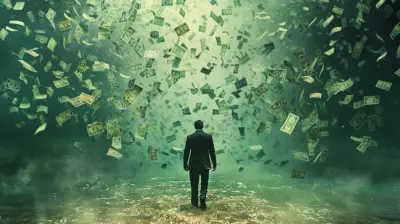
Let’s get real for a second — wealth inequality is not just a buzzword thrown around in political debates or economic journals. It’s a living, breathing issue that’s silently reshaping the world we live in. And the scary part? It’s not just affecting the poor anymore; it’s threatening the stability and growth of whole economies. Yeah, you read that right — yours, mine, and everyone else's.
You might be thinking, “But the economy is booming! Stocks are up, tech is thriving, billionaires are multiplying!” True, in part. But take a deeper look, and you’ll see cracks forming in the foundation — cracks caused by an ever-widening wealth gap. And if we don’t fix it, the whole structure could come tumbling down.

What Is Wealth Inequality, Anyway?
Let’s break it down. Wealth inequality refers to how unevenly assets — things like income, property, stocks, and savings — are distributed among people in a society.Imagine the economy as a pizza (delicious, right?). Everyone should get a slice, maybe not exactly the same size, but at least enough to satisfy hunger. Now picture one guy walking away with half the pizza while the rest of the group fights over the remaining pieces. That’s wealth inequality in action.
And it’s not just about envy or fairness — it’s about real-world consequences that affect the economy on a broad scale.
The Rich Are Getting Richer. So What?
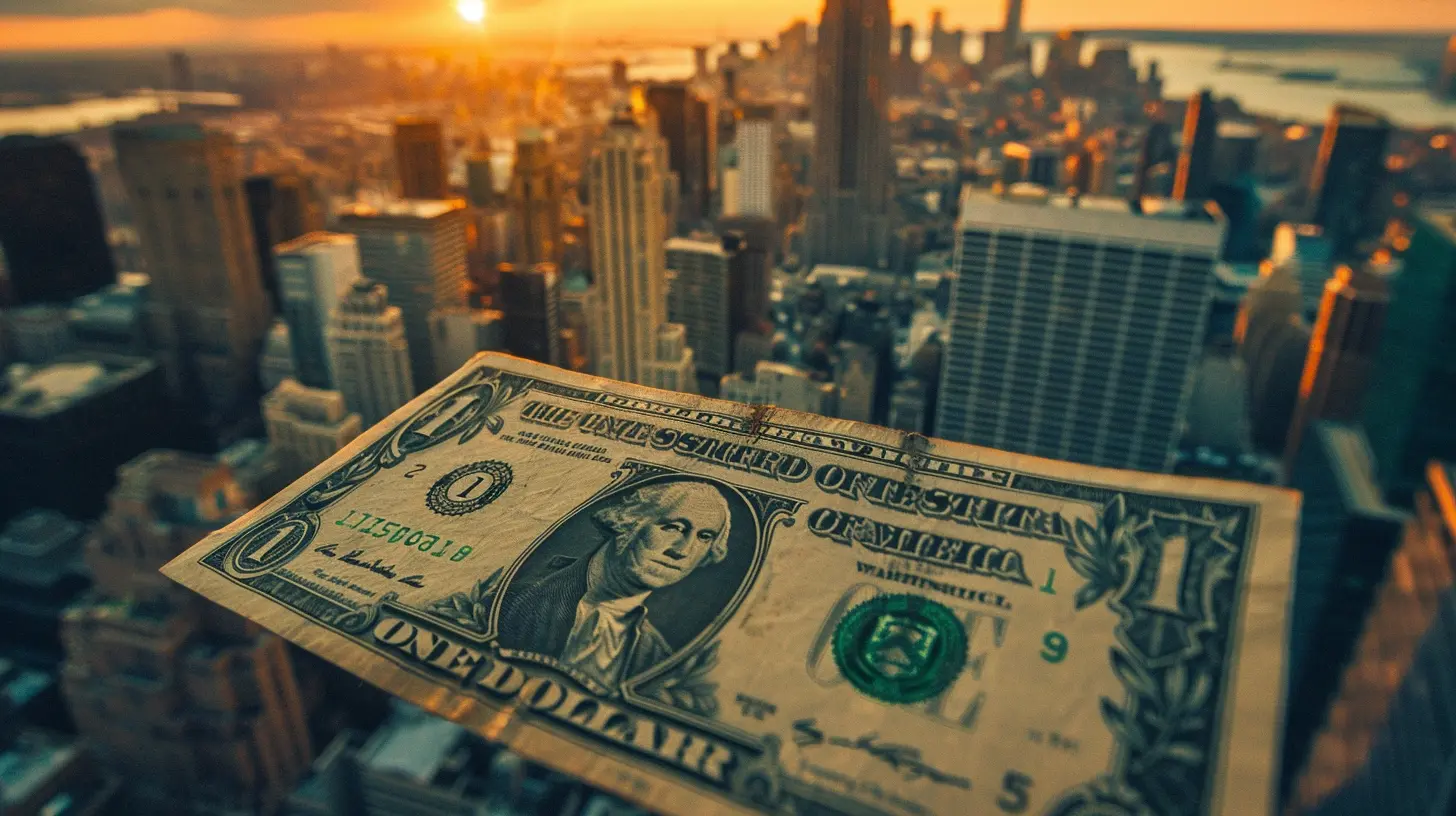
It’s easy to fall into the trap of thinking that as long as someone is making money, the economy is healthy. But what happens when most of the money ends up in the hands of a few?Spoiler alert: It stifles growth.
When wealth is concentrated, most people don't have enough to spend. Fewer purchases = less demand = slower economic growth. Simple.
Let’s go a bit deeper.
Reduced Consumer Spending = Slower Growth
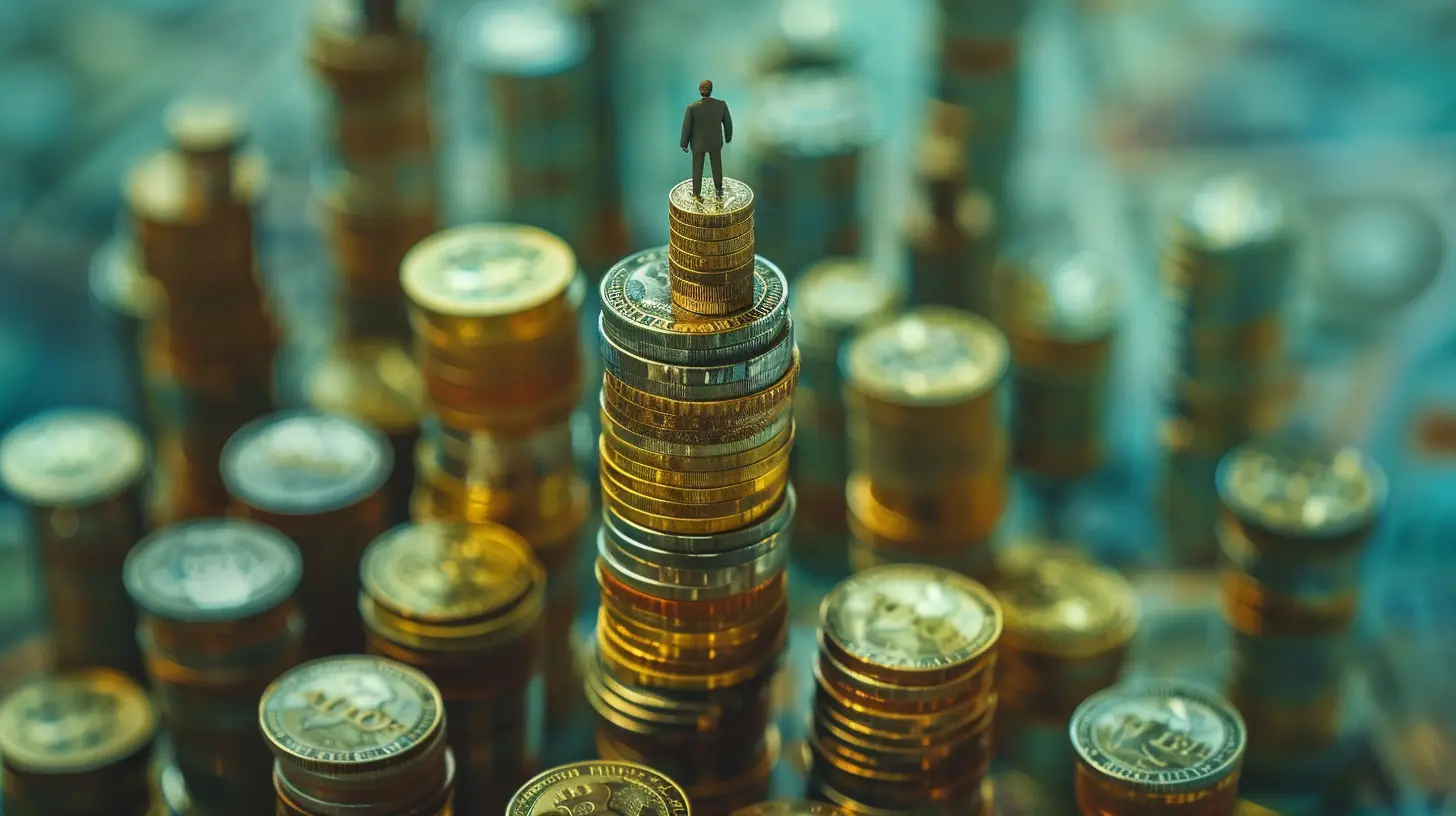
In most developed countries, consumer spending drives around 60–70% of economic activity. And who spends money? Hint: not the ultra-wealthy.The rich can only buy so many cars, houses, or gadgets. But the average person? Their spending matters way more. When middle- and lower-income households struggle financially, they pull back on spending — and that hits businesses hard.
Less demand means companies cut costs, reduce hiring, or even shut down. A domino effect begins. Suddenly, the entire economy is tiptoeing on the edge.
The Talent Trap: Wasted Potential
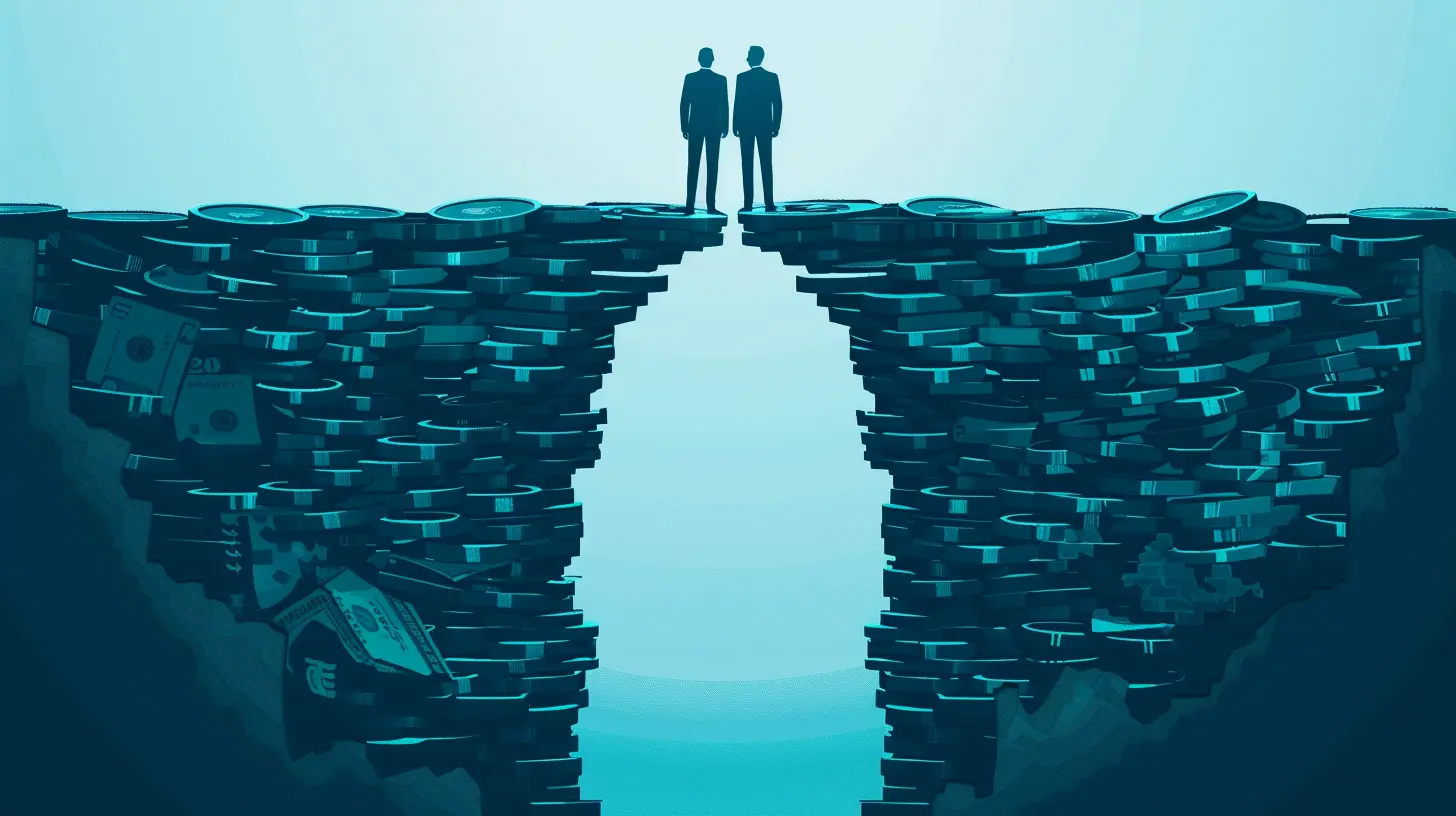
Imagine a kid from a low-income family with the brains to become a brilliant engineer or Nobel-prize-winning scientist. But without access to quality education or resources? That potential is lost.Wealth inequality locks people into their socioeconomic status. It’s like trying to climb a ladder with missing rungs. This means the economy misses out on innovation, ideas, and talent.
What’s worse, you get a society where your zip code determines your future. Not just unfair — economically dumb.
Debt Dependence Makes It Worse
Here’s the kicker: many families deal with wealth gaps by turning to debt. Credit cards, payday loans, high-interest mortgages — you name it.At first, it keeps the economy afloat. People keep spending. But eventually, that debt needs to be repaid. When too many households are drowning in debt, they stop spending. They default. The financial system takes a hit.
We saw this play out in 2008. Remember the subprime mortgage crisis? That was inequality and irresponsible lending joining forces to crash the global economy.
Political Unrest and Policy Paralysis
Yeah, inequality doesn’t just harm wallets — it messes with democracy too.When wealth is concentrated, so is political power. The ultra-rich can sway policies in their favor — think tax breaks, deregulations, and bailouts. Meanwhile, average citizens feel ignored, unheard, and disillusioned.
Frustration builds. Movements rise. Political polarization increases. And guess what? Economic growth suffers because investors hate instability. The whole system becomes reactive, not proactive.
Inequality Is Also Hurting Startups and Small Businesses
Big surprise — small businesses aren’t thriving in an unequal economy.Why? Because the average consumer can’t afford to support them. Also, aspiring entrepreneurs without wealth struggle to secure funding. Banks are often unwilling to lend to low-income borrowers, and investors tend to chase “safe bets” with the wealthy.
So, we end up with fewer startups, less innovation, and a more monopolized market.
It’s kind of like planting seeds on a concrete floor — nothing’s going to grow.
The Global View: Not Just a First-World Problem
Wealth inequality isn't exclusive to the U.S. or Europe. It’s becoming a global norm — and that's absolutely not a good thing.In developing countries, wealth inequality has led to fragile institutions, corruption, and sluggish economic development. When only a small elite controls resources, economic boosts like foreign aid or international investments don’t trickle down — they get stuck at the top.
This keeps millions in poverty and holds back regional and even global growth.
Climate Change and Inequality: A Vicious Loop
Stay with me here — this part is important.The poor suffer most from climate disasters. They lose jobs, homes, food security — you name it. But guess what causes many of those environmental issues? Unsustainable consumption patterns driven by the wealthy.
So, inequality fuels climate change, and climate change worsens inequality. It’s a toxic cycle that seriously threatens long-term economic stability. No growth can happen on a planet dealing with constant disasters.
Is There a Way Out?
There is — but it’s going to take willpower, innovation, and compassion.1. Tax Fairness
No, it’s not about hating the rich. It’s about everyone paying their fair share. Some of the wealthiest individuals and corporations pay less tax (as a % of income) than middle-class families. That’s not just unfair; it’s inefficient.Progressive taxation can fund social programs, infrastructure, education, and healthcare — all of which fuel economic growth.
2. Better Access to Education
Education is the ultimate equalizer.By investing in quality public education and affordable higher ed, we give everyone a fighting chance. The economy benefits when more people can contribute, innovate, and build businesses.
3. Public Investment in Health and Infrastructure
Healthy people work better. Communities with good roads, internet, and public transport are more productive. Investing in these things isn’t charity — it’s smart economics.4. Support for Workers
Raising minimum wages, protecting labor rights, and making it easier for people to unionize? All of that helps distribute income more fairly and boosts consumer spending.5. Encouraging Inclusive Innovation
Let’s stop chasing unicorns in Silicon Valley and start funding ideas in overlooked communities. With the right support, the next big thing could come from anywhere — not just elite campuses or rich tech hubs.Final Thoughts: Inequality Is a Slow-Motion Crisis
We can’t afford to ignore wealth inequality anymore. It’s not just a moral issue — it’s an economic one. A growing gap means shrinking opportunities, weaker consumer bases, more debt, political unrest, climate disasters, and yes — sluggish or even negative economic growth.The good news? We’ve got tools to fix it. The bad news? It won’t happen unless we care.
So, whether you’re an entrepreneur, policymaker, or someone just trying to make sense of the world — remember this: building a fair economy isn’t about tearing down wealth. It’s about redistributing opportunities so growth can be shared, stable, and sustainable.
Let’s build an economy where everyone gets a decent slice of the pizza. Who’s with me?
all images in this post were generated using AI tools
Category:
Income InequalityAuthor:

Zavier Larsen
Discussion
rate this article
1 comments
Elizabeth Price
Wealth inequality stifles opportunity and limits sustainable economic growth.
June 25, 2026 at 12:37 PM
Zavier Larsen
I completely agree. Addressing wealth inequality is crucial for unlocking potential and fostering a more inclusive economy.