Turkish Finance Minister Projects Year-End Inflation Could Drop to 19%
January 13, 2026 - 02:34
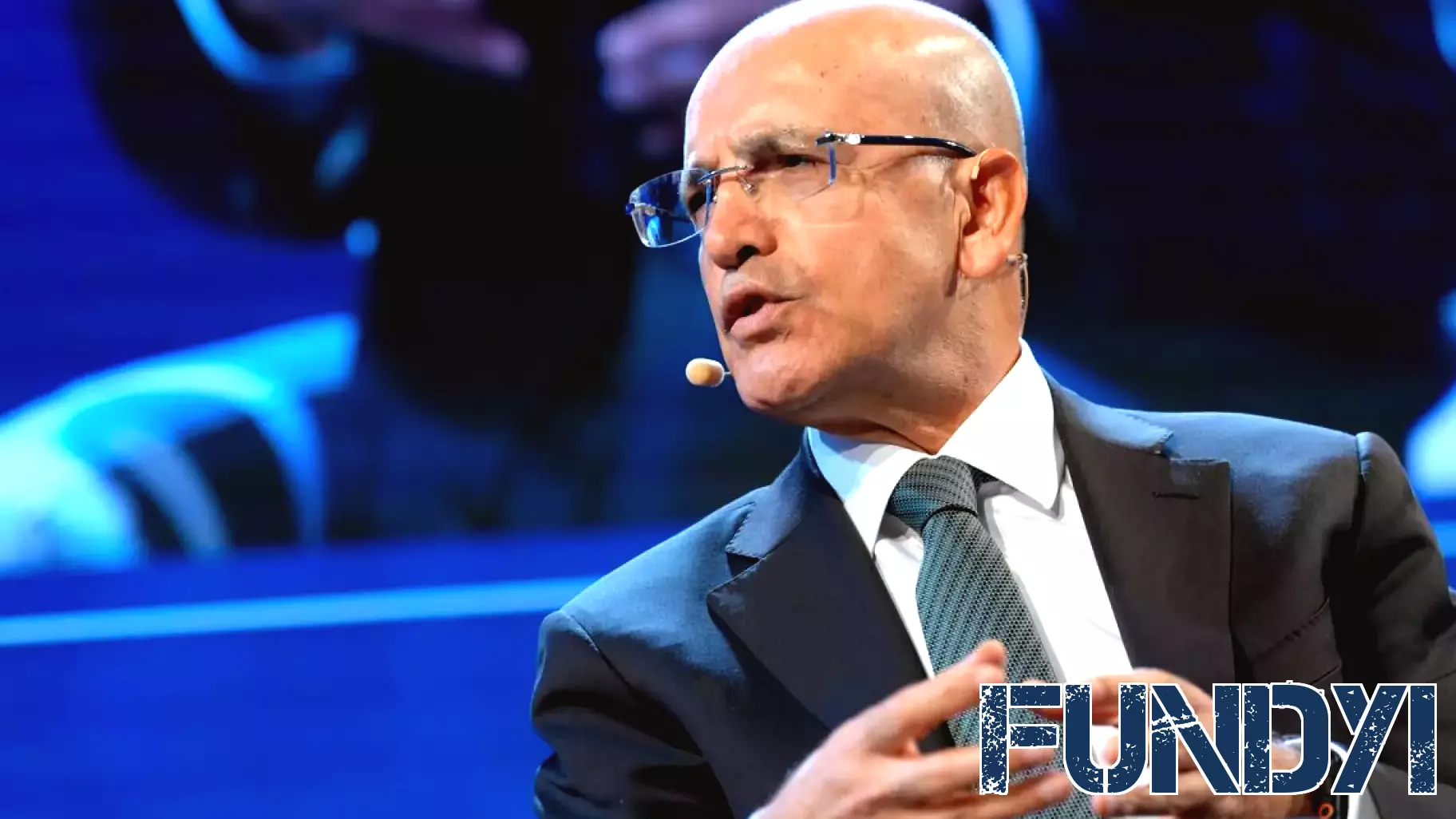
Turkish Treasury and Finance Minister Mehmet Simsek has shared an optimistic forecast regarding the nation's inflation rate, suggesting it may decrease to approximately 19% by the end of the year. This statement was made during a meeting with a group of investors, where Simsek conveyed a more positive outlook than what is currently anticipated by the markets.
The potential easing of inflation comes as a relief to many, considering the economic challenges that Turkey has faced in recent years. High inflation rates have been a significant concern for both consumers and policymakers, impacting purchasing power and overall economic stability.
Simsek's comments reflect a broader strategy aimed at restoring confidence in Turkey's economy and attracting foreign investment. As the government continues to implement measures to stabilize the economy, stakeholders are closely monitoring the developments and the effectiveness of these initiatives. The anticipated slowdown in inflation could have far-reaching implications for Turkey's economic landscape in the coming months.
MORE NEWS

October 10, 2026 - 07:24
Finding Ticker Symbols on Yahoo FinanceInvestors and traders often need a quick way to identify the correct ticker symbol for a specific security before they can research it or add it to a watchlist. Yahoo Finance offers a built-in...

October 9, 2026 - 23:09
Harvard College Introduces Financial Literacy Program for Aid RecipientsHarvard College has announced a new financial aid initiative designed to help students better understand money management, budgeting, and long term planning. The program will be integrated into the...

October 9, 2026 - 03:26
FIRST FINANCIAL BANK TO PARTICIPATE IN STATEWIDE DAY OF SERVICEFirst Financial Bank employees throughout Texas will join forces on October 12, 2026, for the bank`s 11th annual Day of Service. The event has become a tradition for the institution, with staff...

October 8, 2026 - 07:46
Jim Cramer Sees Something Worth Revisiting in These Power StocksMarket commentator Jim Cramer turned his focus to two energy companies during a recent broadcast, noting that their falling share prices might offer a reason to take another look. He pointed to...