How Racial Wealth Gaps Perpetuate Income Inequality
18 July 2026
Let’s face it—money talks. It plays a huge role in every aspect of our lives, from the food we eat to the neighborhood we live in. But here’s something most of us don’t talk about enough: who has access to wealth and why that matters. Specifically, let's talk about the racial wealth gap and how it keeps income inequality alive and kicking in the U.S. This topic isn't just about numbers—it's about real lives, long histories, and the future we're all building.
So, grab your coffee (or tea), and let’s unpack this complicated, often uncomfortable, but incredibly important topic.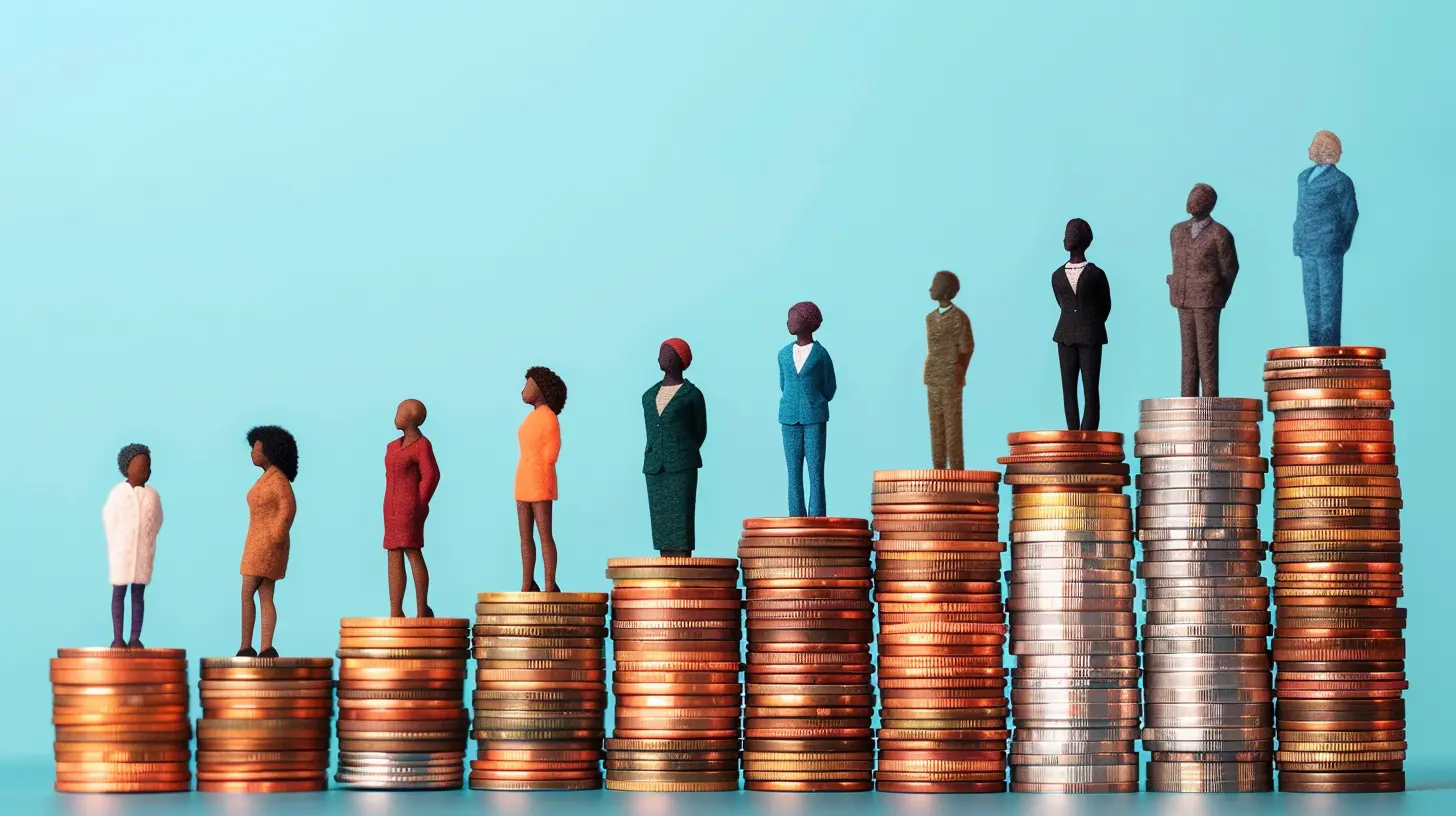
What Is Racial Wealth Gap, Anyway?
Before we dive in, let's make sure we're on the same page. The racial wealth gap refers to the significant disparity in net worth between different racial groups—most notably between white households and Black or Hispanic households in the United States.We’re not just talking about income here. Wealth includes everything from home equity, savings, investments, even inheritances. It’s the safety net that lets families weather rough patches and plan for the future. And here’s the kicker: the average white family has about 6 to 10 times more wealth than the average Black or Hispanic family.
That’s not just a coincidence. It’s the result of decades—no, centuries—of systemic inequality.
The History Behind the Gap: It Didn't Start Yesterday
To understand how we ended up here, we need to take a quick stroll through history.Slavery and Its Aftermath
The wealth gap has deep roots. After slavery was abolished, Black Americans were promised 40 acres and a mule. Spoiler alert: most never got that land. Instead, many were pulled into sharecropping, which kept them in poverty and near-slavery conditions for generations.Redlining and Housing Discrimination
Fast forward to the 20th century. As homeownership became the cornerstone of American wealth, Black families were systematically excluded. Banks used redlining maps to deny mortgages in predominantly Black neighborhoods. So while white families were building equity in suburban homes, Black families were shut out.Employment and Education Barriers
Even with civil rights progress, discrimination in hiring practices and unequal access to education continue to keep high-paying jobs and opportunities out of reach for many minority groups.It’s like running a race where some are starting on the track, and others are stuck in quicksand. Is it any surprise the finish line remains far off?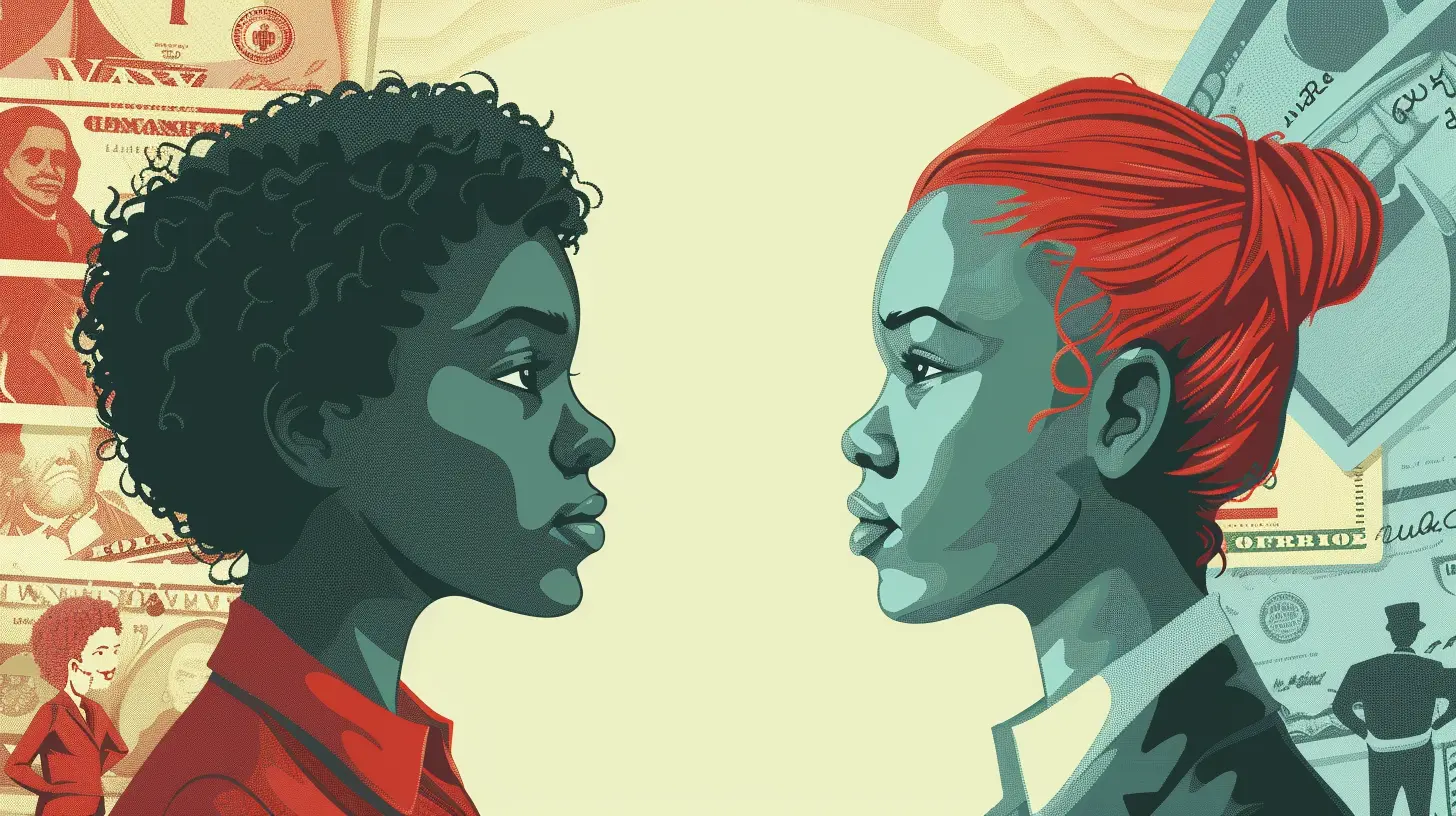
How Wealth Impacts Income (and Vice Versa)
Okay, so now that we’ve talked about wealth, let’s connect the dots to income inequality.At first glance, wealth and income might seem like two separate beasts. Income is what you earn. Wealth is what you own. But guess what? They’re cousins. And they feed off each other.
Wealth Buys Opportunities
If your parents have wealth, they can fund your education, help with down payments, or even support you through unpaid internships. That gives you more chances at landing a high-paying job. If you don’t have that cushion? You’re often forced into jobs based on necessity, not opportunity.Inheritance and Intergenerational Wealth
White families are far more likely to receive inheritances, which can provide a serious head start in life. This kind of “wealth transfer” isn’t small change—it can fund homes, businesses, or retirement. Meanwhile, families of color often have to build from scratch every single generation.Cost of Being Poor
Being poor is expensive. High-interest loans, rent instead of mortgages, no access to affordable health care—it all adds up. And without wealth, there’s little to fall back on when life throws a curveball.
Why This Matters for Everyone
You might be thinking, “Okay, but how does this affect me if I’m not directly impacted?” It's a fair question, and the answer is simple: income inequality weakens the economy for everyone.Less Spending Power
When a large portion of the population struggles financially, they can't spend much. Less consumer spending means lower demand for goods and services, which can hurt businesses and lead to job cuts. It’s like trying to build a fire with wet wood—nothing ever really sparks.Lost Innovation and Talent
When smart, driven people don’t have access to education or capital, their ideas never get off the ground. That’s a huge loss—not just for them, but for society as a whole.Imagine how many potential entrepreneurs, engineers, or artists we’ve missed out on simply because they lacked the resources.
The Role of Policy and Institutions
Here’s the blunt truth: this issue didn’t magically self-create—it was built through policies, and it’ll take smart policy to fix it.Tax Policies That Favor the Wealthy
The current tax system disproportionately benefits those who already have wealth—think capital gains taxes, estate tax loopholes, and deductions that only the well-off can access. That only widens the gap.Underfunded Schools in Minority Neighborhoods
Public schools are often funded by property taxes. So when communities have lower home values, their schools get fewer resources. That means less access to advanced coursework, extracurriculars, or even basic supplies.Talk about starting the race with your shoelaces tied together!
Wage Discrimination and Employment Gaps
Study after study shows that people of color—particularly Black Americans—still face wage discrimination. Add to that higher unemployment rates, and it’s easy to see how income inequality feeds the wealth gap, and vice versa.What Can Be Done? Steps Toward Change
Alright, so now that we’ve outlined the problem, let’s talk solutions. Because while this mess took generations to make, it’s not unfixable.Invest in Education
This one’s a no-brainer. Funding schools equitably, offering scholarship programs, and ensuring equal access to quality education can help close the opportunity gap early on.Promote Black and Minority-Owned Businesses
Supporting minority entrepreneurs through grants, loans, and mentorships can create jobs and keep money circulating within communities.Reform the Tax Code
Policy could shift to tax wealth more fairly—for example, closing loopholes that benefit the rich, or implementing progressive taxes that better fund community services.Expand Homeownership Opportunities
Programs that help first-time homeowners, particularly in marginalized communities, can start to level the playing field. Home equity is still one of the most powerful wealth-building tools out there.Financial Literacy Alone Isn’t the Answer
Let’s bust a myth while we’re at it. Yes, financial literacy matters. But telling people to budget better while ignoring their systemic disadvantages is like handing someone a map when they’re locked in a room. Helpful? Maybe. Effective? Not really.Programs that teach financial skills should be paired with real economic opportunity. Otherwise, we’re just treating the symptoms—never the disease.
Why Talking About This Matters
Conversations around money, race, and inequality can feel uncomfortable. But staying silent doesn’t make the problem go away. If anything, it keeps it alive.When we understand how racial wealth gaps perpetuate income inequality, we start to see the fuller picture. And knowing better helps us do better.
It’s not about guilt or blame—it’s about understanding the legacy we’ve inherited and deciding how we want to shape the future.
Final Thoughts
So, here’s the takeaway: the racial wealth gap isn’t just a Black or Brown issue—it’s an American issue. It’s something that holds back our economy, limits our potential, and undermines the idea of equal opportunity.It’s like trying to build a skyscraper on a shaky foundation. If we want a stronger, fairer society, we’ve got to reinforce that foundation. That means investing in people, reforming policy, and being honest about the past—and the present.
Let’s stop treating inequality as an unfortunate side effect. It’s a choice. And it’s one we can stop making.
all images in this post were generated using AI tools
Category:
Income InequalityAuthor:

Zavier Larsen
Discussion
rate this article
1 comments
Thorne Cox
This article sheds light on a critical issue often overlooked. Acknowledging and addressing racial wealth gaps is essential to achieving true equality. We must actively work towards solutions that promote fairness and opportunity for all.
July 18, 2026 at 3:22 AM
Zavier Larsen
Thank you for your thoughtful comment. Addressing racial wealth gaps is indeed vital for fostering true equality and creating opportunities for everyone. Let's keep pushing for meaningful change.