How to Make Your Money Go Further in the Coming Years
29 August 2026
Let's be honest: money has a talent for evaporating. You check your account on Monday, feel reasonably grown-up, and by Thursday you're staring at a balance that suggests you've been paying for someone else's groceries. Inflation doesn't help, and neither do subscription services you forgot you signed up for in 2021.
The good news? You don't need a finance degree or a trust fund to stretch your dollars. You need a system, a bit of self-awareness, and the willingness to question things you've been doing on autopilot. This guide isn't about deprivation or eating rice cakes for breakfast. It's about making smarter choices so your money works for you instead of the other way around.
The Real Reason Your Money Disappears
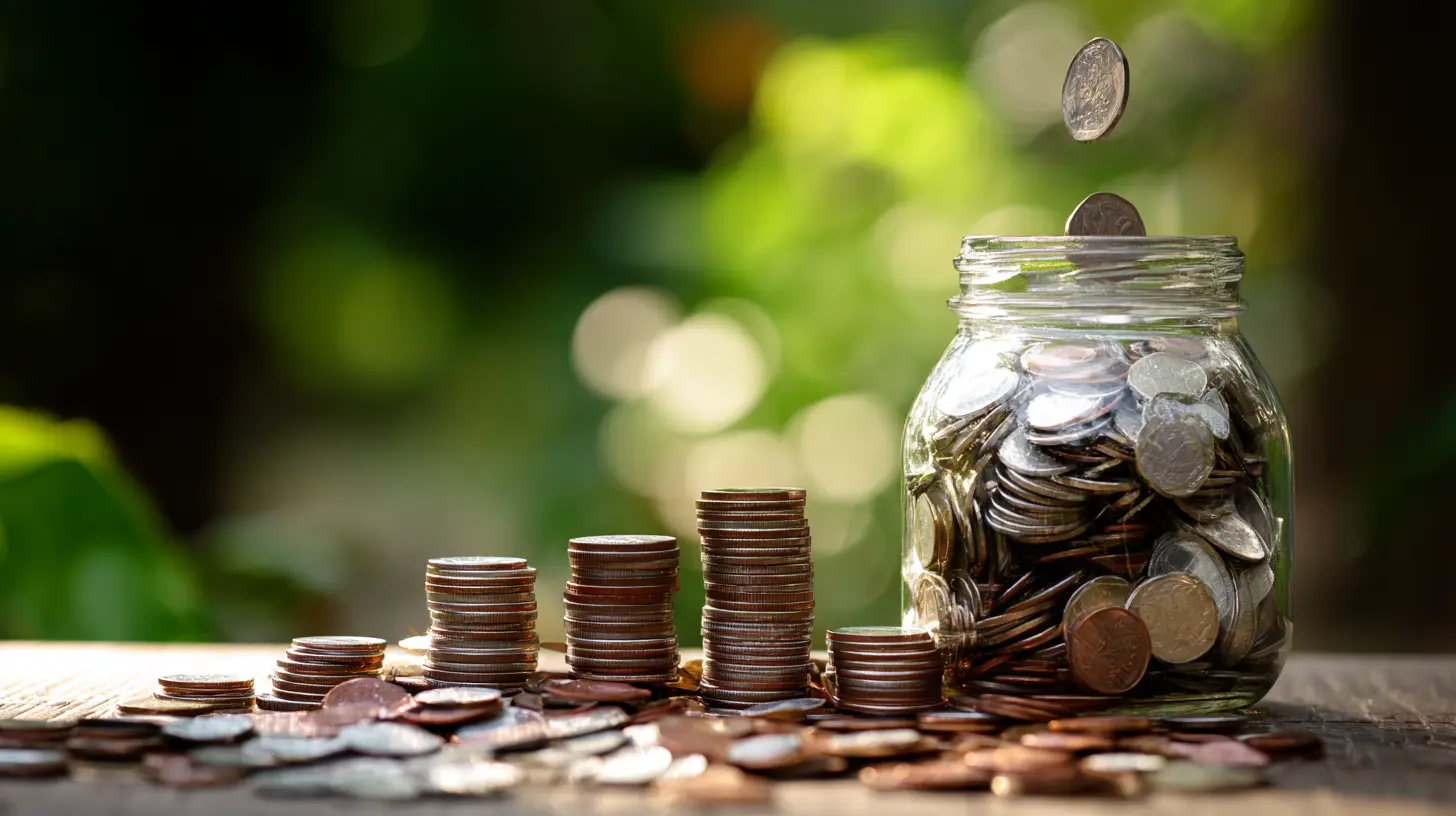
Before we talk solutions, let's talk about the elephant in the room: your behavior. Most people think budgeting is about math. It's not. It's about psychology. You don't have a spending problem because you're bad at numbers. You have a spending problem because buying things feels good in the moment, and saving feels like a vague promise to a future version of yourself you don't really know.Here's a practical shift: start treating future you as a real person. Would you hand your current credit card to a stranger and say "go wild, I'll deal with it later"? No. But that's exactly what you do when you spend without a plan. The fix isn't to become a miser. It's to make the future version of you visible. Set up automatic transfers to savings on payday. Name your savings accounts something specific, like "New Car Fund" or "Emergency Buffer." When you see money moving toward a goal, it stops feeling like a loss and starts feeling like a win.
Another quiet killer is friction. The easier it is to spend, the more you spend. Online shopping with saved card details, one-click checkout, and free returns are designed to remove every obstacle between you and your money. The opposite works too. Make spending harder. Delete stored payment methods. Unsubscribe from retailer emails. Wait 48 hours before buying anything over a certain amount. You'll be amazed how many "urgent" purchases turn out to be completely forgettable.
The Inflation-Proof Mindset
Inflation is not a monster under the bed. It's a slow leak in your tire. You don't notice it until the ride gets bumpy. The average annual inflation rate in many developed economies has hovered between two and three percent over the long term, but the last few years have shown us that spikes happen. When prices rise faster than your income, your purchasing power shrinks. That's not a political opinion; it's arithmetic.So what do you do? You don't panic-buy canned goods. You adjust your strategy. The first rule is to treat your income as a tool, not a reward. If you get a raise, don't immediately upgrade your lifestyle. The gap between your old salary and your new one is your chance to build wealth. If you can live on your previous income for six months after a raise, you've effectively given yourself a raise in savings that will compound over time.
Second, think about what you buy in terms of "cost per use." A fifty-dollar shirt you wear twice a week for two years costs less per wear than a twenty-dollar shirt you wear twice and then lose. This mindset works for everything from appliances to software subscriptions. The cheapest option is rarely the most economical. The most economical option is the one that delivers the most value per dollar spent over its lifetime.
Third, learn to distinguish between price and value. Price is what you pay. Value is what you get. A gym membership might cost forty dollars a month, but if you actually go, it's a bargain compared to the medical bills and lost productivity that come from a sedentary lifestyle. On the flip side, a premium coffee every morning might cost you over a thousand dollars a year. If that coffee genuinely improves your day and you can afford it, fine. But if you're buying it out of habit, not enjoyment, that's money leaking.
The Art of the Sinking Fund
One of the most underrated tools in personal finance is the sinking fund. It sounds boring, but it's actually a lifesaver. A sinking fund is a separate savings account you contribute to monthly for a specific, known future expense. Think car repairs, annual insurance premiums, holiday gifts, or that dental procedure you've been avoiding.Why does this matter? Because most people treat irregular expenses as emergencies. Your car breaks down, and suddenly you're reaching for a credit card. But car repairs aren't an emergency if you own a car. They're a certainty. The same goes for property taxes, school supplies, and Christmas. These expenses are not surprises. They're just poorly timed.
Set up sinking funds for anything you know is coming. Divide the annual cost by twelve, and transfer that amount each month. When the bill arrives, the money is already there. You avoid debt, you avoid stress, and you avoid the "where did my paycheck go" feeling that comes from paying a lump sum you didn't plan for.
The trick is to keep these funds in a separate account, not your main checking account. If it's too easy to see and transfer, you'll raid it. Give each sinking fund a nickname and a clear purpose. It's much harder to justify stealing from "Holiday Gifts" than from "Miscellaneous."

The Subscription Trap and How to Escape It
Let's talk about subscriptions. Streaming services, gym memberships, cloud storage, meal kits, beauty boxes, apps you downloaded once. They're individually small, but collectively they can eat hundreds of dollars a month. And here's the kicker: most people don't know what they're actually paying for.Set aside an hour once a quarter to do a subscription audit. Go through your bank statements and list every recurring charge. You'll likely find at least one service you haven't used in months. Cancel it. For the ones you keep, ask yourself if you're getting genuine value. If you watch one show on a platform and cancel it after the season, that's not wasteful. That's smart.
One strategy is to rotate subscriptions. Instead of holding five streaming services at once, subscribe to one for a month, watch what you want, cancel, and move to the next. This can cut your entertainment costs by seventy percent while giving you access to everything. The same logic applies to software. Do you need Adobe Creative Cloud every month, or do you only need it for one project a year? Pay for the month you need, then cancel.
Another trap is the "free trial" that turns into a paid subscription. Set a calendar reminder for the day before the trial ends. If you don't love the product, cancel immediately. If you do love it, keep it, but set a monthly reminder to reassess. Habits change, and your subscriptions should change with them.
The Grocery Game: Where Most Budgets Go to Die
Food is a necessity, but the way we buy it is often a disaster. The average household spends a significant chunk of its income on groceries and dining out, and a lot of that money is wasted. The biggest mistake is going to the store without a plan. You wander, you browse, you see a display of artisanal crackers, and suddenly you're spending forty dollars on snacks you didn't need.Here's a better approach. Plan your meals for the week, not in detail, but in structure. Know what you're having for dinner on weeknights, and shop for those ingredients specifically. Buy produce that's in season; it's cheaper and tastes better. Buy staples like rice, beans, pasta, and oats in bulk when they're on sale. Learn to cook at least five or six meals from scratch. You don't need to be a chef. You just need to be able to feed yourself without relying on takeout.
Now, about dining out. You don't have to eliminate it. But you should treat it as an event, not a default. Instead of ordering takeout three times a week, make it a Friday night ritual. The food tastes better when it's a treat, and you'll save a ridiculous amount of money. If you're a coffee drinker, brew at home and buy a good thermos. You'll save five or six dollars a day, which adds up to over two thousand dollars a year. That's not pocket change; that's a plane ticket.
The Energy and Utility Shuffle
Utilities are a fixed cost, but they're also a place where small changes add up. The biggest culprit is heating and cooling. You don't need your house to be a tropical paradise in winter or a meat locker in summer. Adjust your thermostat by a few degrees. Wear a sweater in winter, use a fan in summer. Programmable thermostats are cheap and pay for themselves quickly.Next, look at your electricity usage. Unplug devices you're not using. Yes, that includes phone chargers. The "phantom load" from electronics on standby can account for up to ten percent of your energy bill. Power strips make this easy; turn them off when you leave the house.
Check your water usage. Fix leaky faucets, take shorter showers, and run full loads in the dishwasher and washing machine. These sound like small things, but they add up to real savings over a year. And here's a tip most people miss: compare energy providers if you live in a deregulated market. You can often switch plans and lower your rate without changing your actual service. It takes fifteen minutes and can save you hundreds of dollars a year.
Transportation Without the Bleeding
Your car is probably the second biggest expense after housing. The cost isn't just the monthly payment; it's insurance, fuel, maintenance, registration, and depreciation. The most economical car is the one you already own, paid off, and maintain well. Upgrading to a newer model because you're bored is one of the quickest ways to destroy your net worth.If you're in the market for a vehicle, consider buying a reliable used car with cash instead of financing a new one. A car loses about twenty percent of its value the moment you drive it off the lot. Let someone else take that hit. And when you do buy, focus on total cost of ownership, not just the sticker price. Some cars are cheap to buy but expensive to maintain. Others cost more upfront but run forever with minimal fuss.
For everyday commuting, see if you can reduce trips. Combine errands into one outing. Work from home one day a week if your job allows. Carpool with a colleague. Use public transit sometimes, even if it's slower; you can read or listen to a podcast, which is more than you can do while stuck in traffic. And check your insurance premium annually. Loyalty doesn't pay; shopping around often does.
The Housing Question: Renting vs. Buying vs. Staying Put
Housing is the biggest line item in most budgets, and it's also the most emotional. Everyone has an opinion on renting versus buying. Here's the balanced view. Buying a home can be a good long-term investment, but it's not automatically better than renting. When you buy, you're responsible for maintenance, property taxes, and the risk of price declines. When you rent, you have flexibility and no surprise repair bills.The real question is whether you're ready for the commitment. If you plan to stay in one place for at least five to seven years, buying might make sense. If you're likely to move for work or lifestyle, renting is often cheaper when you factor in transaction costs, which can eat up six to ten percent of the home's value in fees and taxes.
If you already own, consider whether refinancing makes sense when interest rates drop. Even a one percent reduction in your mortgage rate can save you thousands over the life of the loan. And if you're renting, negotiate. Landlords often prefer a stable tenant over a new one. Ask for a lower rent in exchange for a longer lease. The worst they can say is no.
The Emergency Fund: Your Financial Seatbelt
No discussion of making money go further is complete without the emergency fund. This is the money that keeps you from going into debt when life throws a curveball. The standard advice is three to six months of living expenses. That's good advice, but it's not the whole story.Start smaller if you need to. A one-thousand-dollar buffer is enough to handle most minor emergencies like a flat tire or a medical copay. Once you have that, build toward one month of expenses, then three, then six. The key is to keep it liquid in a high-yield savings account where you can access it without penalty, but not so easily that you're tempted to dip into it for a sale.
Here's a common misconception: the emergency fund is not an investment. It should not be in the stock market. It's insurance, and insurance is meant to be safe and boring. The interest rate matters less than the fact that the money is there when you need it. Once you have six months of expenses saved, any extra money can go toward investments or paying down high-interest debt.
Debt: The Silent Wealth Killer
High-interest debt, especially credit card debt, is the single biggest obstacle to financial progress. Paying eighteen to twenty-five percent interest on a balance is like running on a treadmill that's tilted downhill. You're working, but you're not getting anywhere.The best strategy is the avalanche method: pay off the debt with the highest interest rate first while making minimum payments on everything else. This saves you the most money in interest over time. The alternative is the snowball method, where you pay off the smallest balance first for a psychological win. Both work. The best one is the one you'll stick with.
If you have multiple debts, consider consolidating them with a personal loan or a balance transfer card with a zero-percent introductory period. But be careful. Transferring a balance doesn't eliminate it. You still owe the money, and if you don't pay it off before the promotional period ends, you'll be hit with retroactive interest. Only use this strategy if you have a clear plan to pay off the balance within the promotional window.
And please, stop treating credit cards as free money. They're a convenience tool, not a loan source. Pay your balance in full every month. If you can't, you're living beyond your means, and no amount of clever budgeting will fix that until you address the spending side.
Investing: Making Your Money Work While You Sleep
Once you have an emergency fund and no high-interest debt, it's time to invest. This is where your money can actually grow faster than inflation. The stock market has historically returned about seven to ten percent annually over the long term, adjusted for inflation, but that comes with volatility. Some years are up, some are down. The key is time in the market, not timing the market.The simplest approach is low-cost index funds. These give you instant diversification across hundreds of companies, and they have low fees. Fees matter. A one percent annual fee might not sound like much, but over thirty years, it can eat up a quarter of your returns. Choose funds with expense ratios under 0.2 percent.
Automate your investments. Set up a monthly transfer from your checking account to your brokerage account. Treat it like a bill. You can't spend money that's already invested. And don't check your portfolio every day. Short-term fluctuations are noise. If you're investing for retirement, you're playing a decades-long game. Checking daily is like watching grass grow and then getting angry that it's not a tree yet.
There's also the question of tax-advantaged accounts. If you have access to a retirement plan through work, especially with an employer match, contribute at least enough to get the full match. That's free money. After that, consider an IRA. The tax benefits are significant, and the earlier you start, the more compounding works in your favor.
The Frugality Trap: When Saving Too Much Hurts You
Let's address the flip side. Some people take frugality too far. They clip coupons for hours to save ten dollars, then burn out and go on a spending spree. They refuse to spend money on anything that brings them joy, which makes them miserable and resentful.The goal isn't to be cheap. The goal is to be intentional. Spend money on things that matter to you and cut ruthlessly on things that don't. If you love travel, allocate a significant portion of your budget to travel. If you hate cooking, budget for a meal delivery service. The point is to align your spending with your values, not to minimize spending at all costs.
A good rule of thumb is the fifty-thirty-twenty budget: fifty percent of income for needs, thirty percent for wants, and twenty percent for savings and debt repayment. This gives you permission to enjoy life while still making progress. It's not a rigid law; it's a starting point. Adjust the percentages based on your situation, but keep the structure.
The Psychology of Enough
Here's the deepest truth about money: no amount is ever enough if you don't define what enough means. The culture around us constantly tells us we need more. A bigger house, a newer phone, a fancier car. This isn't about denying yourself; it's about recognizing that the pursuit of more can become a treadmill that never stops.Take time to define what financial success looks like for you. Is it retiring at sixty? Is it being debt-free? Is it having the freedom to work part-time? Write it down. When you have a clear "why," it's much easier to say no to the "what" that doesn't serve you.
And remember that money is a tool, not a scoreboard. The point of making your money go further is not to hoard it. It's to give you options. Options to take a lower-paying job you love, to help a family member in need, to take a sabbatical, or to simply sleep better at night. That sense of security is worth more than any purchase.
Putting It All Together: A Simple Action Plan
If all of this feels overwhelming, start small. Pick three things from this article and do them this week. Cancel one unused subscription. Set up a sinking fund for one upcoming expense. Turn your thermostat down two degrees. That's it. Progress builds on itself.In the coming years, inflation is likely to remain a factor, interest rates will fluctuate, and the economy will do what economies do: cycle. You can't control any of that. But you can control your spending, your savings rate, and your investment strategy. Those are the levers that determine whether you feel squeezed or comfortable.
The people who do well financially aren't necessarily the ones who earn the most. They're the ones who have a plan, stick to it, and make adjustments when needed. They don't chase every trend, and they don't panic during downturns. They play the long game, and the long game rewards patience and consistency.
So go ahead. Make your money go further. Not because you're cheap, but because you have better things to do with your life than worry about bills. And when you see that savings balance grow, you'll know exactly why you made the effort. Future you will thank you.
all images in this post were generated using AI tools
Category:
Spending HabitsAuthor:

Zavier Larsen
Discussion
rate this article
2 comments
Olivia Erickson
Great tips here! Excited to explore new ways to maximize savings and investments.
September 16, 2026 at 2:58 AM
Zavier Larsen
Thanks for reading! I'm glad you found the tips helpful. Happy saving and investing!
Camden McVeigh
This article offers practical tips that challenge traditional thinking. It's a reminder that managing finances is not just about saving, but also about smart spending choices.
August 31, 2026 at 2:46 AM
Zavier Larsen
I'm glad you found the tips helpful! It's all about making informed choices to really stretch your budget.