Institutional Investors and Their Impact on IPO Success
21 June 2026
Initial Public Offerings (IPOs) are some of the most exciting events in the financial world. When a company goes public, it opens its doors to public investment, raising capital for future growth. But behind the scenes, institutional investors play a crucial role in determining whether an IPO succeeds or flops.
These big players—mutual funds, hedge funds, pension funds, and insurance companies—can make or break a company's transition to the public market. But how exactly do they influence the IPO process? And why should retail investors care?
In this article, we’ll dive deep into the role of institutional investors in an IPO, their influence on pricing and market perception, and why their participation matters for retail investors like you and me. 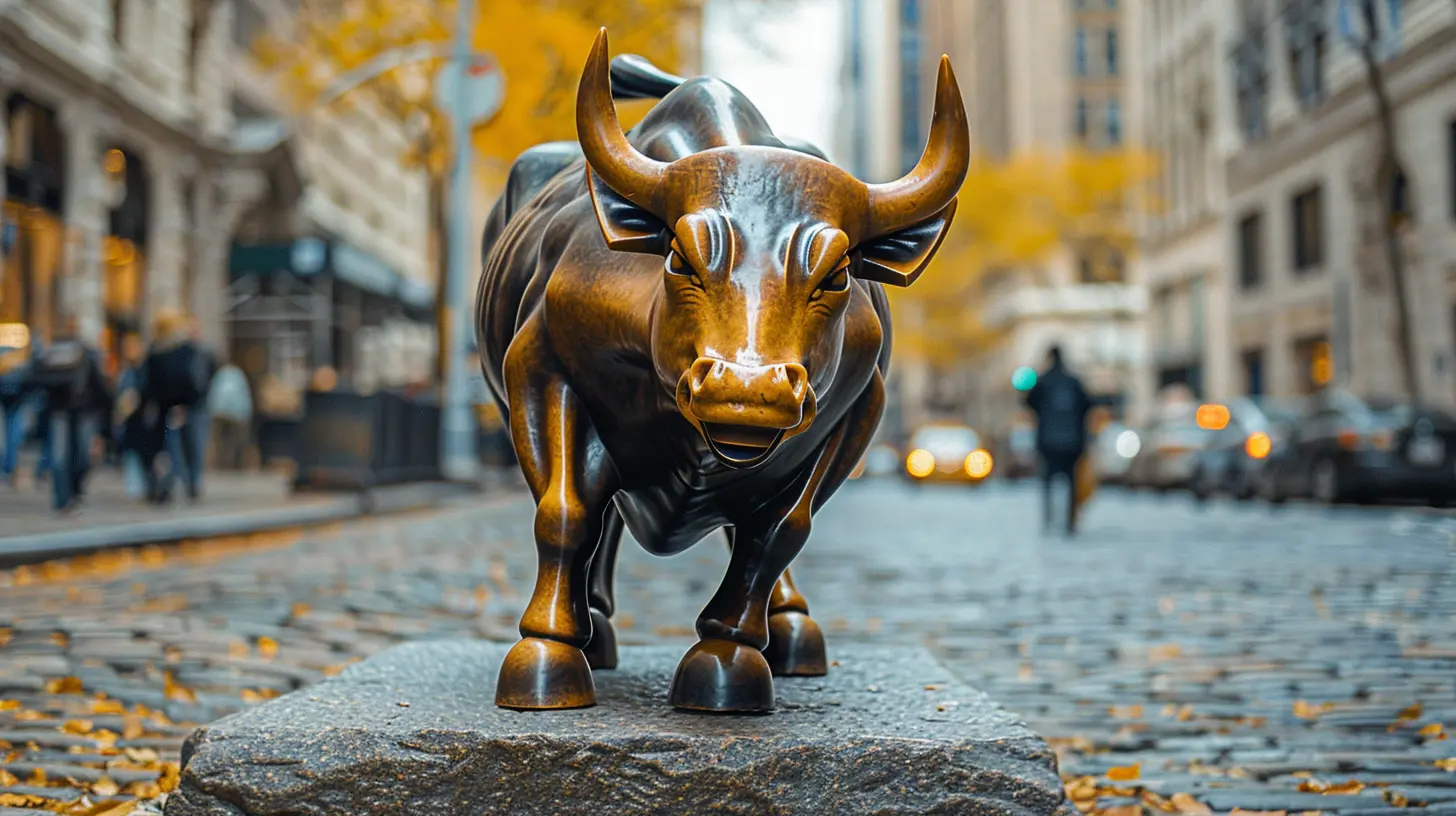
What Are Institutional Investors?
Before we get into their impact on IPOs, let's define institutional investors. These are large organizations that invest significant sums of money on behalf of others. Unlike retail investors (individuals investing their personal wealth), institutional investors manage billions—sometimes trillions—of dollars.Some common types of institutional investors include:
- Mutual Funds: Professionally managed portfolios pooling money from multiple investors.
- Pension Funds: Retirement funds investing on behalf of workers.
- Hedge Funds: High-risk, high-reward investment firms catering to wealthy clients.
- Insurance Companies: Firms investing policyholders' premiums for long-term growth.
Because of their deep pockets, these investors are often the first to grab a piece of an IPO—and their involvement has a massive impact on the outcome. 
How Institutional Investors Influence IPOs
1. They Help Set the IPO Price
Before a company goes public, investment banks take charge of pricing its shares. But pricing isn’t a simple game—it's a delicate dance between demand and supply. Institutional investors play a vital role in this by participating in book building, where they indicate how much they’re willing to pay and how many shares they want.If top-tier institutional investors show strong interest, the IPO price will likely rise. On the other hand, if they hesitate, the company might have to lower its expectations. A poorly priced IPO can lead to disappointing results on listing day, scaring away future investors.
2. They Create Market Confidence
Ever heard the saying, “Follow the smart money”? Institutional investors are considered the "smart money" in financial markets. Their involvement signals confidence in a company’s financials, business model, and growth potential.When a well-known fund like BlackRock or Fidelity buys into an IPO, other investors take notice. It’s a stamp of approval that can drive demand and boost the company’s stock price after listing.
Conversely, if big-name funds avoid an IPO, it raises red flags. This can lead to a weak opening, low trading volumes, and a struggling stock in the months after listing.
3. They Stabilize the Stock Price Post-IPO
The first few weeks after an IPO can be highly volatile. Some IPOs see their prices soar, while others crash quickly. Fortunately, institutional investors often provide stability by holding onto their shares rather than selling immediately.Retail investors, on the other hand, can be more reactionary—quickly buying into the hype and dumping shares at the first sign of trouble. Large institutions, by contrast, take a long-term approach, helping to prevent extreme price swings.
4. They Influence Retail Investor Behavior
Retail investors often look at what institutional investors are doing before making a move. If major hedge funds or mutual funds participate in an IPO, it creates a positive perception that attracts individual investors.On the flip side, if institutions stay away, retail investors might hesitate, fearing that there’s something wrong with the company. This perception alone can determine whether an IPO succeeds or struggles in the market. 
Case Studies: When Institutional Investors Made a Difference
Case 1: Facebook IPO (2012) – A Rocky Start
Facebook’s IPO is one of the most talked-about in history. Despite immense public interest, institutional investors were skeptical about the company's high valuation. On the first day of trading, the stock barely moved, and in the following weeks, it plummeted by more than 50%.Without strong institutional backing, the IPO struggled right out of the gate. Over time, however, as institutional investors gained confidence in Facebook’s business model, the stock recovered and eventually became one of the most valuable in the market.
Case 2: Snowflake IPO (2020) – A Blockbuster Debut
Snowflake, a cloud data company, saw one of the most successful IPOs in recent history. Warren Buffett’s Berkshire Hathaway and other major institutional investors showed strong interest early on, driving the IPO price higher than expected.This strong institutional demand fueled excitement among retail investors, leading to a record-breaking first-day stock price surge of over 100%. It was a textbook example of how institutional investor participation can drive IPO success. 
Why Retail Investors Should Pay Attention
As a retail investor, you might not have the same buying power as big institutions, but that doesn’t mean you should ignore their moves. Here’s why their involvement should matter to you:1. They Signal Quality – If major funds are investing, the company likely has strong fundamentals.
2. They Reduce Volatility – Institutional investors provide stability, reducing extreme price swings.
3. They Set the Tone for Long-Term Growth – A strong institutional backing often means confidence in the company’s future.
When researching an IPO, check if major institutional investors are buying in. Their participation (or lack thereof) can give you valuable insights before making your own investment decision.
The Downside: Can Institutional Investors Hurt IPOs?
While institutional investors bring many benefits, they’re not perfect. Here are a few drawbacks to consider:- Overpricing Risks: Sometimes, excessive institutional demand can lead to an overhyped IPO, causing the stock to crash after an initial surge.
- Lock-Up Period Selling: Many institutional investors agree to hold their shares for a specific period (often 90-180 days). When that lock-up period ends, a sudden wave of selling can drive the stock price down.
- Limited Retail Allocation: Since large funds buy up most of the IPO shares, retail investors often get left with minimal allocations, making it harder for individuals to secure shares at the IPO price.
Despite these risks, institutional investors remain a crucial part of the IPO ecosystem.
Final Thoughts
Institutional investors are the backbone of IPO success. They influence pricing, boost market confidence, stabilize trading, and shape retail investor sentiment. If you're a retail investor looking at an upcoming IPO, paying attention to institutional interest can help you make smarter investment decisions.While these big players aren’t always right (as Facebook’s rocky IPO showed), their moves often provide valuable insights into a company’s long-term potential.
So, next time you hear about a hot new IPO, don’t just look at the hype—look at where the institutional money is flowing. It could make all the difference in whether the stock becomes a winner or a flop.
all images in this post were generated using AI tools
Category:
Ipo InsightsAuthor:

Zavier Larsen
Discussion
rate this article
1 comments
Ivy Barron
It's fascinating to see how institutional investors shape the landscape of IPOs. Their strategies can significantly influence not just initial pricing but also long-term performance. I'm eager to learn more about the dynamics at play in this evolving market.
July 2, 2026 at 11:35 AM
Zavier Larsen
I'm glad you found it fascinating! Institutional investors definitely play a crucial role in shaping IPO outcomes. Their strategies can really make a difference in both pricing and long-term results. It's an evolving landscape worth watching closely.