The Connection Between Climate Change and Economic Inequality
17 August 2026
Let’s face it—climate change isn’t just about warmer summers, melting glaciers, and rising sea levels. It’s also about money. And more specifically, how the impact of a warming planet is making the gap between the rich and the poor even wider.
In this article, we’re going to break down the deep and tangled connection between climate change and economic inequality. Trust me, this is more than just an environmental issue—it’s a social and financial one too. If you’ve ever wondered why some people suffer more during environmental disasters or why wealthier nations seem to bounce back faster, stick around. We’re diving deep.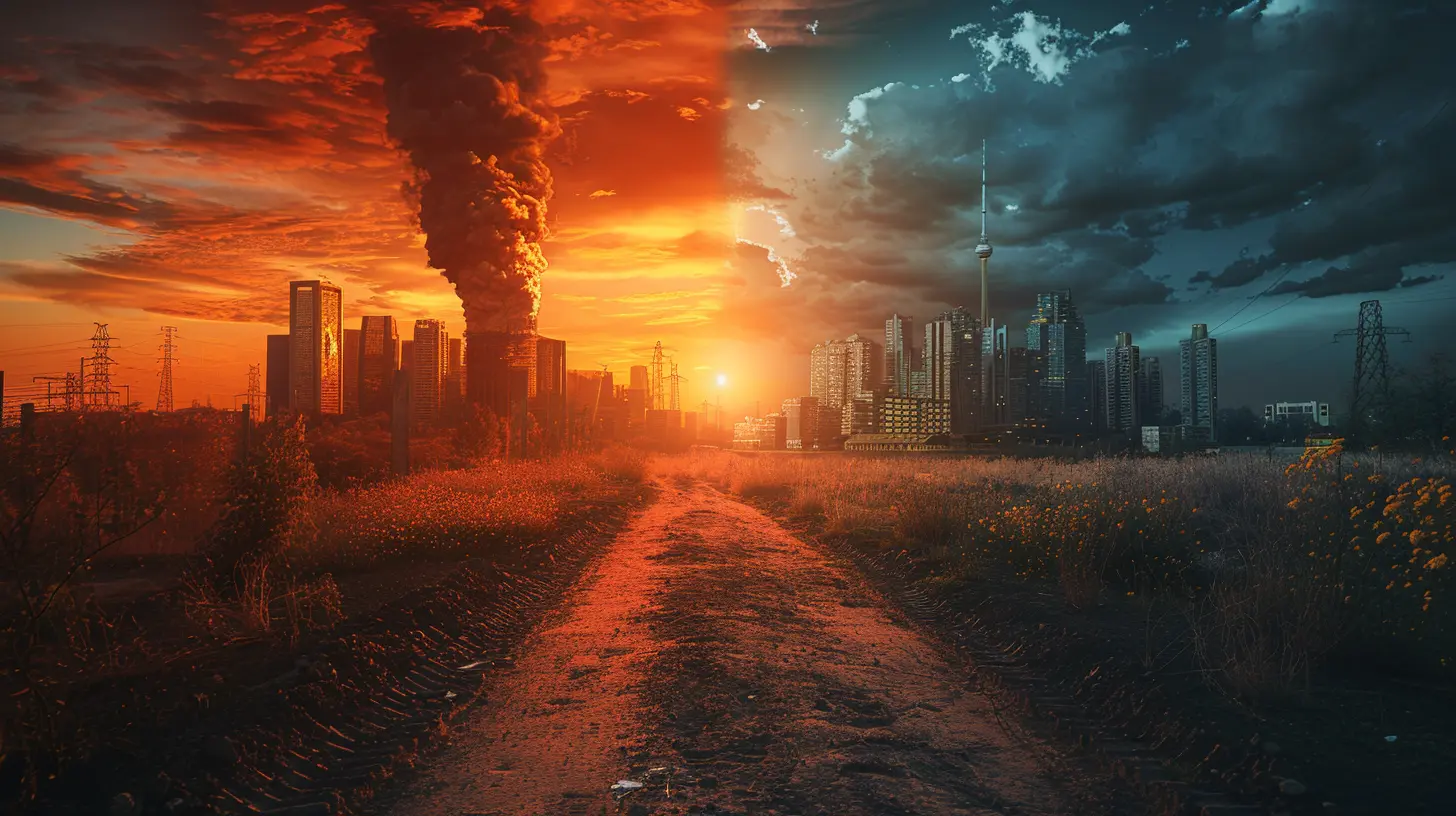
Climate Change: It’s Not Hitting Everyone Equally
Sure, climate change affects all of us—but not in the same way.Think about it. When a hurricane hits, who struggles the most? It’s not the folks lounging in high-rise condos or sipping lattes in climate-controlled cafes. It’s the low-income neighborhoods, the farmers, the coastal dwellers with no safety net. Climate disasters don’t care about your wealth, but they sure expose it.
Poorer communities often live in more vulnerable areas. They might not have flood insurance, an emergency savings fund, or even a car to evacuate. Meanwhile, the wealthy? They’ve got resources, connections, and Plan B’s.
And this isn’t just happening in your backyard. It’s a global issue.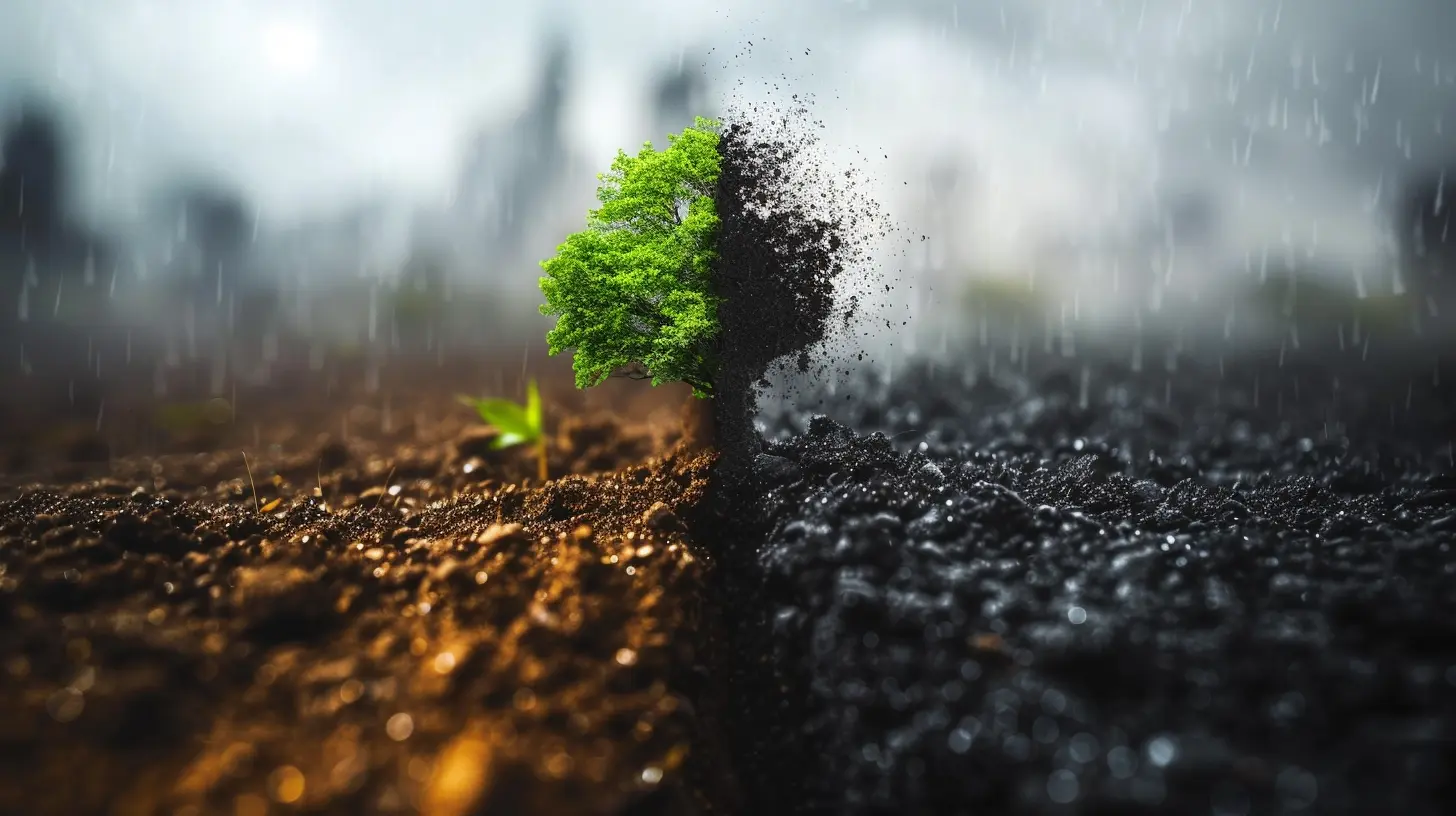
The Global North vs. The Global South Divide
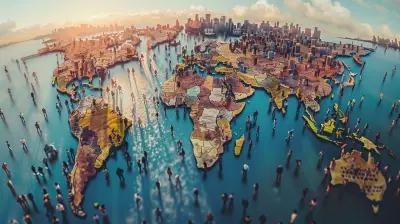
Let’s zoom out for a second.Developed countries—mostly in the Global North—are responsible for the lion’s share of historical greenhouse gas emissions. Yet, ironically, it's the developing countries in the Global South that bear the brunt of the consequences.
Countries like Bangladesh, Somalia, and Haiti are frequently hit by climate disasters like floods, droughts, and hurricanes. These regions already struggle economically, and climate change just keeps adding fuel to the fire.
Meanwhile, wealthier nations have cleaner infrastructure, better disaster response systems, and stronger economies to support recovery. It’s like making a mess and expecting your poor neighbor to clean it up. Not fair, right?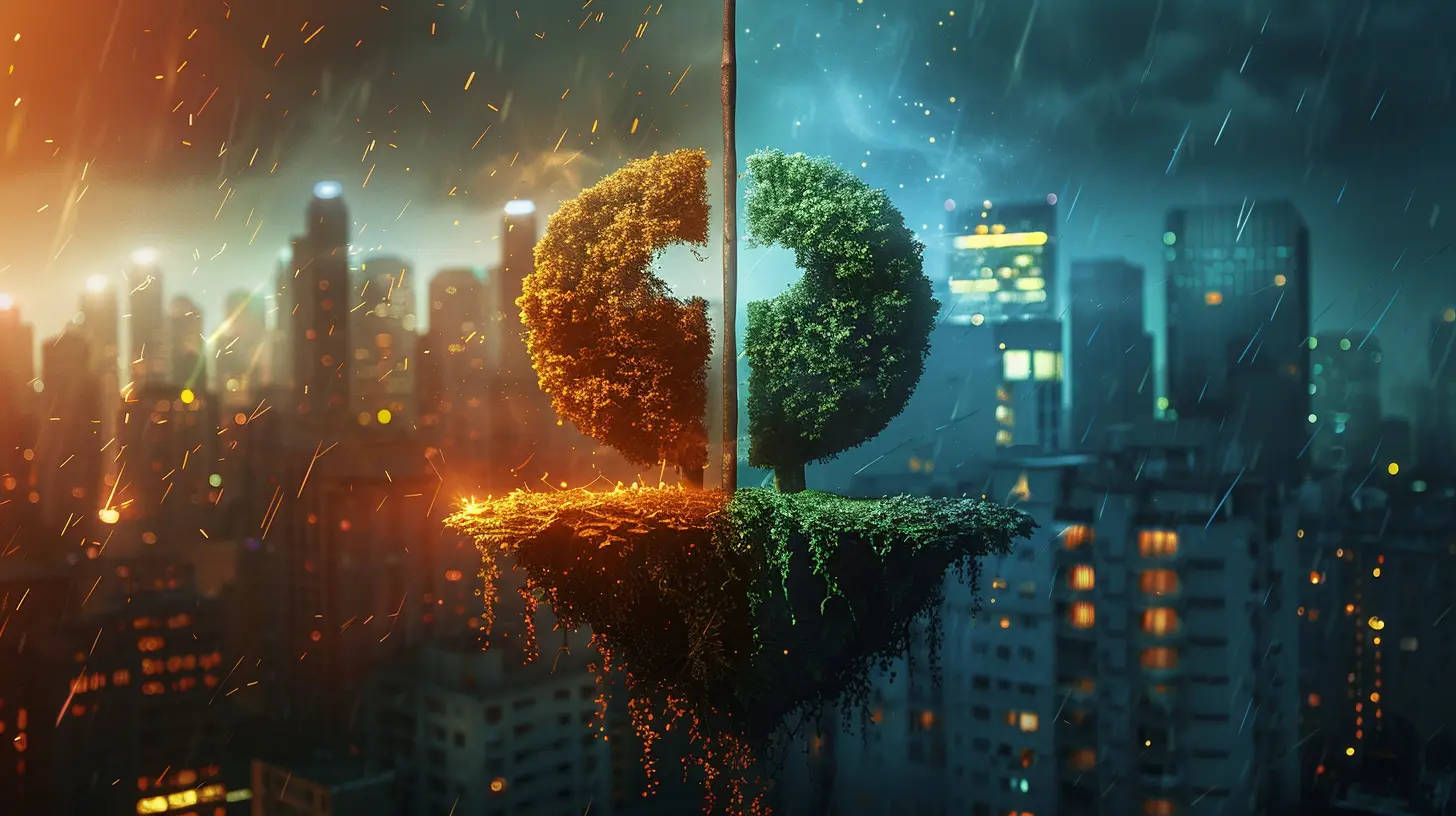
Wealth Builds Climate Resilience—But Only for Some
Here's something to think about: money acts like a shield when it comes to climate change.Got money? You can move away from flood-prone areas, upgrade your home to withstand storms, or install solar panels to reduce your carbon footprint. You’ve got options.
But if you’re scraping by on minimum wage or living in poverty? You’re stuck. Trapped in areas with bad infrastructure, polluted air, and little to no emergency support. And after a disaster, rebuilding your life might take years—if it’s even possible.
Economic inequality means that the people most at risk from climate change are often the least equipped to prepare or recover.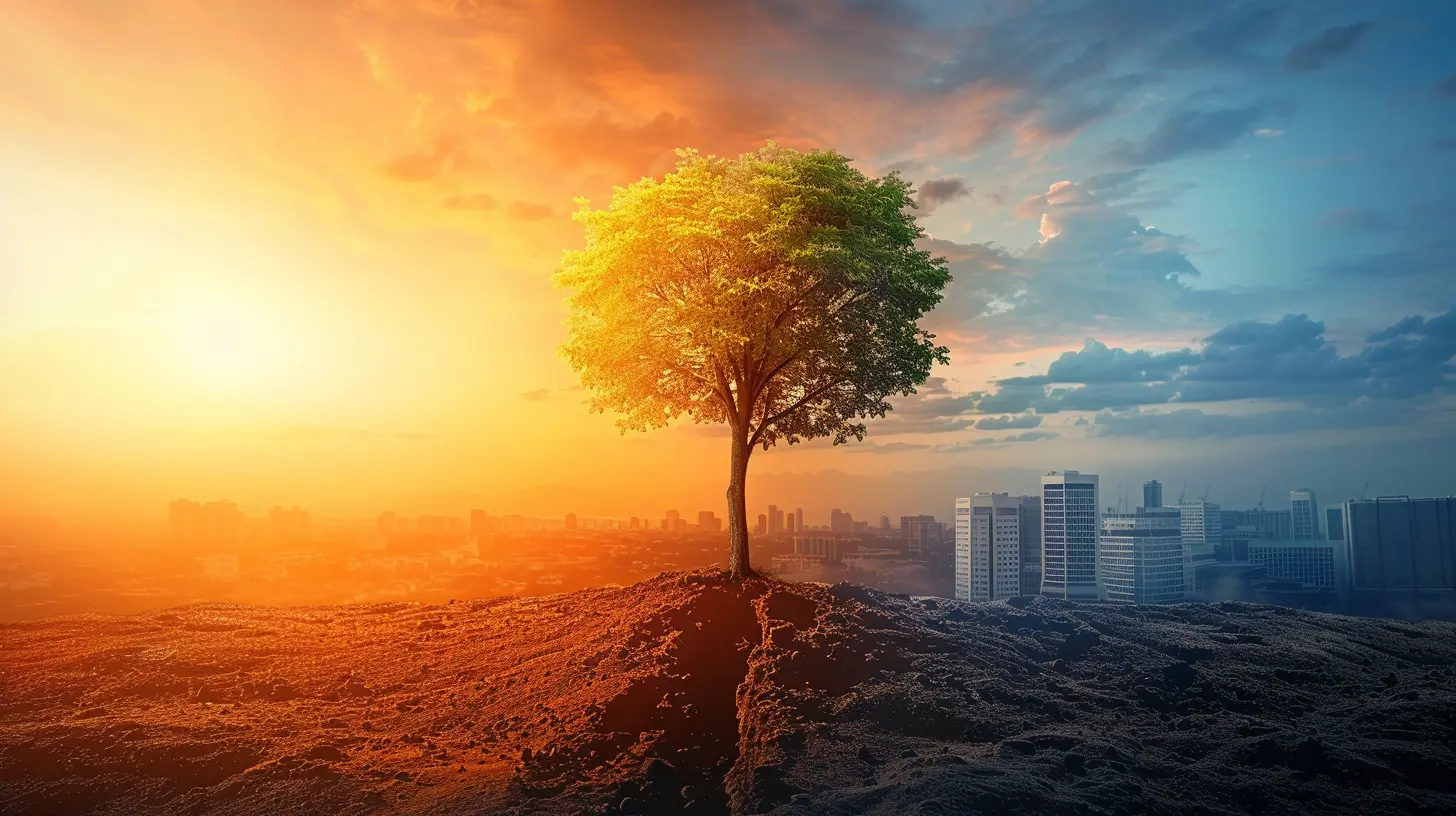
Climate Change Creates New Forms of Inequality
It’s not just that climate change reveals inequality—it also creates it.Think about displaced workers. As the world transitions away from fossil fuels, jobs in coal, oil, and gas are disappearing. That’s good for the planet, sure—but not everyone has the luxury to pack up and become a solar technician overnight.
This is where the idea of a "just transition" comes in—helping workers and communities move into greener industries without being left behind.
Without support and planning, this shift could seriously widen the wealth gap. Blue-collar workers could be hit hard, while white-collar professionals grab all the new opportunities in green tech.
Disaster Recovery: A Game of Privilege
Let’s talk post-disaster recovery.After hurricanes, wildfires, or floods, wealthier communities often get back on their feet fast. Why? Because they had insurance, emergency funds, and access to quick loans or government aid.
Meanwhile, poorer folks might lose everything and get little to no assistance. Homes might be uninsured. Banks won’t offer loans. Government help? Often delayed or minimal.
And here's the kicker—those left behind often end up going deeper into debt or homelessness. The cycle continues.
Climate Gentrification: When Safer Areas Get Too Expensive
Here’s something you might not have heard of: climate gentrification.As sea levels rise and extreme weather becomes more common, people are moving to safer areas—higher ground, cooler temperatures, better infrastructure. But guess what? The moment an area gets labeled “climate-resilient,” property prices skyrocket.
We’ve seen this in cities like Miami. Wealthier residents move into higher elevation neighborhoods traditionally occupied by low-income and minority communities. The result? Long-time residents are priced out.
So once again, climate change drives a wedge between the wealthy and the poor.
Farming and Food Security: Another Uneven Battlefield
Let’s talk about your dinner plate.Climate change messes with farming—big time. Droughts, floods, and unpredictable seasons mess up harvests, especially in poorer regions where farmers don’t have access to irrigation, modern tools, or financial safety nets.
Food becomes scarce, prices go up, and guess who struggles the most? Low-income families. While the wealthy might grumble about rising grocery bills, the poor are forced to make impossible choices—like choosing between heat and food.
And in developing countries, entire communities that depend on agriculture face permanent disruption.
Health Impacts: A Dangerous Cost of Inaction
If money buys you healthcare, then climate change has made it even more of a luxury.Hotter temperatures mean more heat strokes, the spread of diseases like malaria and dengue, and worsening air quality. These are serious health risks—and guess who’s most exposed?
People without A/C, health insurance, or access to quality healthcare. Children, the elderly, and the poor are at higher risk of illness and death. Meanwhile, wealthy individuals can escape extreme heat, travel to better hospitals, or afford preventative care.
Climate Policy: Sometimes It Misses the Mark
Now, let’s be honest—climate policies are essential. But if they’re not carefully designed, they can actually make inequality worse.For example, carbon taxes are meant to discourage pollution, but they can hit low-income households the hardest. They already spend a bigger chunk of their income on energy, so a price hike hurts them more.
That’s why smart climate policy needs to go hand-in-hand with social and economic justice. Think of it like baking bread—if you skip the yeast, it won’t rise. You need all the right ingredients.
Solutions: Bridging the Gap Between Climate and Justice
Alright, enough doom and gloom. What can actually be done?1. Invest in Resilience for Vulnerable Communities
Governments and organizations need to build flood defenses, offer insurance subsidies, and improve infrastructure in at-risk, low-income areas.
2. Green Jobs and Training Programs
Let's make sure workers from all backgrounds can transition into the green economy. Offer job training, apprenticeships, and incentives for companies to hire diversely.
3. Climate Funding for Developing Nations
Wealthier countries must fulfill their international promises to support climate adaptation and mitigation projects in the Global South.
4. Fair Climate Policies
Policies like carbon pricing can work—if paired with rebates or credits for low-income families.
5. Include Marginalized Voices
Let’s not just talk about vulnerable communities—let’s involve them in creating climate solutions. They know their needs better than we do.
Why This Matters (To You Too)
Even if you’re not living in a flood zone or struggling to pay bills, this matters. Because inequality isn’t just unfair—it’s unstable. A world where climate disasters keep knocking out the most vulnerable is a world full of unrest, migration, and economic breakdowns.And whether you're running a business or raising a family, none of us thrives in chaos.
Tackling the connection between climate change and economic inequality isn’t just ethical—it’s essential.
Final Thoughts: It’s All Connected
Here’s the bottom line: Climate change and economic inequality are two sides of the same coin. One feeds the other, and unless we address both, we’ll never have real solutions.We need to reframe climate action—not just as saving the planet, but also as saving people. Especially those who’ve been left behind for far too long.
So the next time climate change makes the headlines, ask yourself: Who’s paying the price? And what can we do to even the odds?
Because real climate justice means economic justice, too.
all images in this post were generated using AI tools
Category:
Income InequalityAuthor:
Zavier Larsen
Discussion
rate this article
1 comments
Jax McQuillan
This article sheds light on the often overlooked relationship between climate change and economic inequality. It's crucial to recognize how environmental impacts disproportionately affect vulnerable communities. Addressing climate issues must include equitable solutions that support those most at risk, ensuring a fair transition to a sustainable future for all.
August 17, 2026 at 11:16 AM
Zavier Larsen
Thank you for your thoughtful comment. I completely agree that we must prioritize equitable solutions that support vulnerable communities as we address climate change. It's vital for a sustainable future.