The Impact of High-Frequency Trading on Day Traders
14 August 2026
Let’s call it like it is—day trading isn’t what it used to be. Once upon a time, nimble individual traders could make a decent living chasing quick wins in the stock market. But then came the speed demons: high-frequency traders (HFTs). Fast-forward to today, and these lightning-fast algorithms rule the stock exchange battlefield. So what does that mean for good ol’ day traders like you and me?
This article breaks down the wild world of high-frequency trading and how it’s changing the game for day traders. We'll dive deep into the impacts, the pros, the cons, and whether there's still room for the little guy in a market dominated by machines.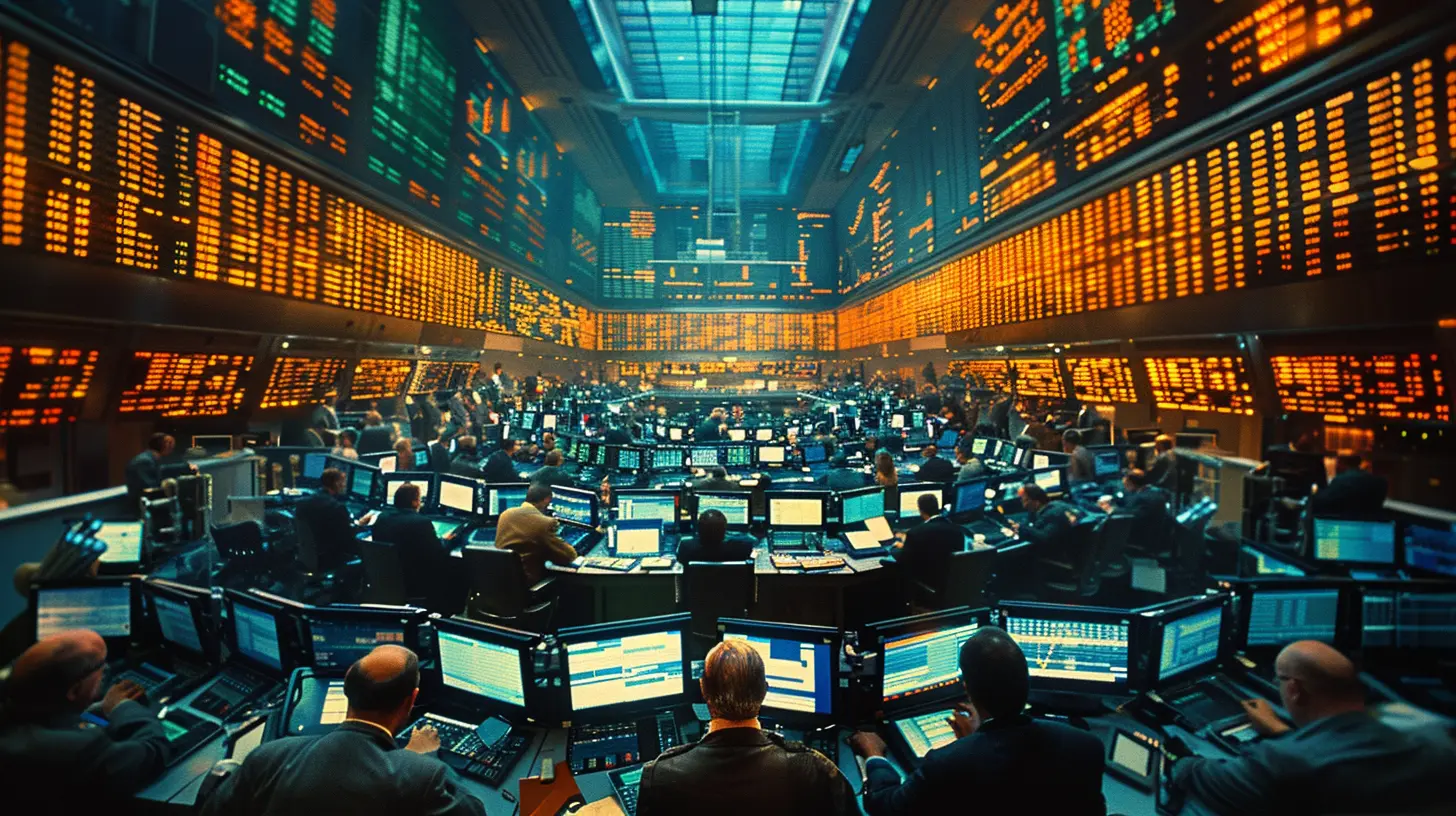
What Is High-Frequency Trading Anyway?
High-frequency trading is a form of algorithmic trading where computers execute a massive number of orders in fractions of a second. We're not talking lightning speed—we're talking faster than lightning. Think milliseconds, or even microseconds.Imagine you’re at an auction, about to bid on something. Just as you raise your hand, someone uses a robot to snatch the item—before you’ve even blinked. That’s basically what HFT does. It uses super-smart algorithms, co-located servers (right next to stock exchanges for extra speed), and data analysis to beat everyone to the punch.
And trust me, it works. HFT firms can execute thousands of trades in the time it takes you to click "buy."
How Day Trading Works in a Nutshell
Day trading is all about buying and selling stocks (or options, cryptos, etc.) within the same trading day. The goal is to ride short-term price movements and pocket the profit. You see an opportunity, jump in quick, then exit before the market closes.Most day traders rely on tech tools like trading platforms, chart patterns, indicators, and a solid gut instinct honed over countless screen hours. Unlike long-term investors, day traders live in the moment. It’s fast, exciting, and yeah—kinda stressful.
The Collision of Two Worlds
You might be thinking, “Okay, but I’m a smart trader. I’ve got my strategies. Why should I worry about HFTs?”Here’s the deal: day traders and HFTs operate in the same market, but the playing field isn’t level. While you're manually clicking your trades or executing them through slower systems, HFTs are already done, sipping virtual tea after bagging the prize.
It’s not a fair fight—and that’s where frustration kicks in for many retail traders.
Let’s unpack what’s really happening behind the screens.
1. Speed Kills (Your Edge)
Speed is everything in short-term trading. But human reaction time? Not a chance against microsecond algorithms.High-frequency trading systems are built purely for speed. Some even lease lines directly into exchanges to reduce latency. In fact, some HFT firms spend millions reducing latency by even a single millisecond.
When they enter and exit positions faster than you can load a chart, they can front-run your orders, pick off your margins, and leave you scratching your head wondering why that perfect setup went sideways.
2. Liquidity: Friend or Foe?
Here’s the interesting part—HFTs actually provide a ton of liquidity to the market. That means more buyers and sellers, which usually helps reduce spreads (the difference between the bid and ask price).Sounds good, right?
Well, sometimes. The trouble is, this liquidity can vanish in an instant. When markets get volatile, HFTs often pull back, leaving day traders exposed to sudden spread widening and unexpected slippage. One moment you’re in a trade with decent liquidity, the next—you’re stuck with no exit.
3. Market Noise and Fake-Outs
You’ve probably seen it: a stock forms a breakout setup, volume spikes, and you enter. Seconds later, boom—it reverses hard.Often, these fake-outs are caused by HFT strategies designed to probe support and resistance levels. They create false signals to trap traders, then profit from those moves, leaving retail traders holding the bag.
It’s not just market noise; it’s algorithmic trickery. And it’s one of the most frustrating parts of trading in an HFT-dominated world.
4. Front-Running and Latency Arbitrage
Let’s get into a bit of trader jargon here—stick with me. Front-running is when a trader (or computer) jumps ahead of a pending order they know is about to impact the market.HFTs can detect large impending trades and get ahead of them, buying first and selling seconds later at a profit. Sounds shady? It is. But it’s not always illegal, which is part of the problem.
Latency arbitrage is another trick. HFTs exploit time delays between different exchanges to buy low in one place and sell high in another—before anyone even notices.
Day traders? We simply can’t compete at that level. You're playing Pong, they’re playing Call of Duty with night vision goggles.
5. “Spoofing” and Other Dirty Tricks
Some HFTs use tactics like spoofing to manipulate prices. Basically, they place bogus orders to create artificial demand or supply, luring traders into traps. Then they cancel the orders and profit from the price moves they orchestrated.Although spoofing is illegal and regulators do go after offenders (sometimes), it’s tough to catch in real time—especially when it happens in milliseconds.
Day traders are often the ones who get played by these tricks, and it stings.
6. Higher Costs for Retail Traders
You might not see it on your P&L right away, but over time, trading in HFT-heavy markets adds up. Slippage, unexpected price changes, and spreads widen your costs. It’s death by a thousand cuts.Plus, as exchanges become more HFT-friendly (because of the fees they generate), there’s more pressure on brokers to keep up—costs that sometimes get passed down to retail traders.
Is There Any Upside?
Alright, I’ve spilled all the tea on the dark side. But let’s be fair—HFT isn’t all bad.It’s improved execution speeds across the board and made markets more efficient. Spreads are typically tighter, and volume is higher, which can benefit day traders who know how to work with it instead of against it.
Some savvy traders even use HFT indicators and tools (like order flow analysis and Level II data) to ride the same waves the algorithms create.
It’s like surfing: if you know how to catch the wave, you can ride it. If not, prepare to wipe out.
How Day Traders Can Survive (and Thrive!)
So how do you stay in the game when you’re up against algo-powered titans? Here are some survival tips:1. Focus on Higher Timeframes
Instead of scalping every micro-move, consider extending your trades slightly. Five-minute or 15-minute charts reduce noise and let you ride bigger trends, where HFTs have less impact.2. Specialize in Illiquid or Niche Markets
HFTs dominate liquid, high-volume stocks. But mid-cap and small-cap stocks—or even crypto pairs—can offer profitable opportunities with less bot interference.3. Use HFT Data to Your Advantage
Tools like order flow, time and sales, and volume profile aren’t just geeky—they can give you real insight into what HFTs are doing. If you understand the clues, you can anticipate their moves.4. Be Selective with Entries
Avoid chasing breakouts blindly. Use confirmation signals and wait for the trap to spring before jumping in. Think like a sniper, not a machine gunner.5. Automate Part of Your Trading
You don’t have to go full cyborg, but automating parts of your strategy—like entry alerts, stop-losses, or trailing exits—helps you keep up with the speed of the market.Are Regulators Doing Anything About It?
Yes and no.Regulators like the SEC have introduced rules targeting abusive HFT practices (like spoofing), but enforcement is tricky. These algorithms operate at mind-bending speeds, and spotting foul play takes serious forensic work.
Some countries have considered implementing speed bumps or transaction taxes to curb HFT dominance, but those ideas meet heavy resistance.
So for now, the algo army is here to stay.
Final Thoughts: Can Day Traders Still Win?
Absolutely—but it’s a different ballgame.High-frequency trading has changed the landscape forever. There’s less room for error, more volatility, and greater complexity. But that doesn’t mean it’s impossible to succeed.
Day traders who adapt, learn, and evolve their strategies can still carve out a niche. You may not outgun the robots, but you can outthink them in ways they can’t replicate—yet.
Just like in nature, survival belongs to the most adaptable. So buckle up, stay sharp, and never stop learning.
all images in this post were generated using AI tools
Category:
Day Trading BasicsAuthor:

Zavier Larsen
Discussion
rate this article
1 comments
Elias Cox
High-frequency trading crushes day traders' chances for real profits.
August 27, 2026 at 4:35 AM
Zavier Larsen
High-frequency trading definitely creates challenges for day traders, often making it harder for them to compete. However, many find ways to adapt their strategies to still succeed.