How to Dispute Errors on Your Credit Report
14 January 2026
Mistakes happen. Whether it's a wrong phone number or a billing error, we’ve all had to sort out something that wasn’t our fault. But when it comes to your credit report? Those errors can be costly. That’s your financial report card—and you don’t want someone else’s C- showing up on your A+ record.
If you've found incorrect information on your credit report, take a breath. You're not alone, and you’re not stuck with it. Let’s walk through how to dispute errors on your credit report and take back control of your financial reputation.
Why Is Your Credit Report So Important?
Think of your credit report like the scoreboard of your financial life. Lenders, landlords, insurance companies, and sometimes even employers peek at it to see how well you manage money.It shows:
- Your credit accounts (credit cards, loans, etc.)
- Payment history
- Outstanding debts
- Credit limits and balances
- Public records (like bankruptcies or foreclosures)
A single error—like a missed payment you didn’t actually miss—can drag down your credit score and cost you thousands in interest rates or missed opportunities. So yeah, it’s kind of a big deal.
Common Errors Found on Credit Reports
Before you can fix a mistake, you have to spot it. Most people don’t even realize how often errors pop up. Believe it or not, a 2021 Consumer Reports study found that 34% of consumers found at least one error on their credit reports.Some of the most common issues include:
- Incorrect personal information (misspellings, wrong address, wrong Social Security number)
- Accounts that aren’t yours (could be identity theft or just a mix-up)
- Wrong balances or credit limits
- Accounts marked as late or in default when they’re current
- Duplicate accounts
- Outdated negative information that should’ve dropped off
- Closed accounts still listed as open
Sounds scary, right? Thankfully, you have the right to challenge any of these.
Step 1: Get a Copy of Your Credit Report
You can’t fix what you can’t see.The first step? Request all your credit reports. There are three main credit bureaus: Equifax, Experian, and TransUnion. Each one may have slightly different info, so it’s smart to check all three.
You can get free copies of your reports every 12 months through AnnualCreditReport.com—the only official site authorized by the federal government. Bonus: after COVID hit, they started offering free weekly reports (at least for now).
Once you’ve got them, sit down and comb through every single line like you’re editing your résumé before a big job interview.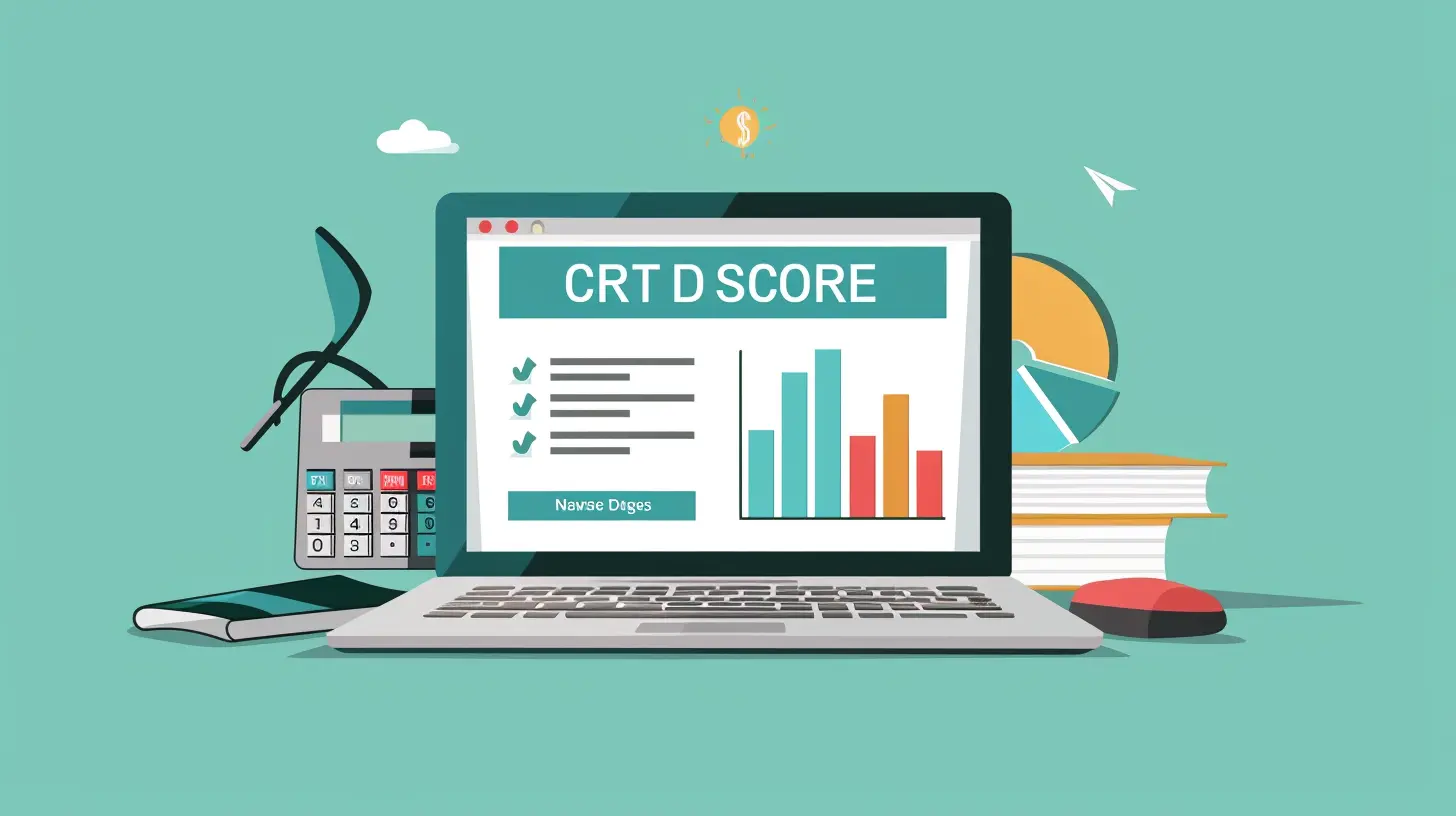
Step 2: Identify and Highlight the Errors
Got your report in hand? Awesome. Now grab a highlighter—or just pull out your inner detective.You’re looking for anything that doesn’t make sense:
- A loan you never took out
- A credit card you closed five years ago still listed as open
- A missed payment you know you paid on time
- Old negative items that should have fallen off (typically after 7–10 years)
Mark those suckers. Take notes. Screenshot pages. The more organized you are now, the easier your dispute will be.
Step 3: Gather Supporting Documentation
Here’s where you build your case like a lawyer preparing for court (except the jury is a credit bureau and the judge is a computer algorithm).Let’s say you're disputing a missed payment. You’ll want to gather:
- Bank or credit card statements that show the payment went through
- Emails or letters from the creditor confirming your account is in good standing
- Any correspondence related to the account
Attach anything that supports your side of the story. In the world of credit reporting, if it’s not written down, it didn’t happen.
Step 4: File a Dispute With the Credit Bureaus
Now for the fun part: telling the credit bureaus, “Hey, this is wrong!” You can do this online, by mail, or by phone—though mail is usually the most reliable (and traceable).Online Disputes:
- Experian: experian.com/disputes- Equifax: equifax.com/personal/disputes
- TransUnion: transunion.com/dispute
These online options are fast and convenient, but some experts argue a paper trail gives you more legal protection if things get hairy.
Mailing a Dispute Letter:
Include:- Your name, address, and contact info
- A clear explanation of each error
- A copy of the credit report with the error highlighted
- Copies of your supporting documents
- A polite but firm tone
Here’s a quick sample:
[Your Name]
[Your Address]
[City, State, ZIP Code]
[Phone Number]
[Date]
To Whom It May Concern,
I am writing to dispute the following item(s) in my credit report. I have enclosed a copy of the report with the items in question circled.
[Item #1: Describe the issue and why it's wrong.]
[Item #2: Do the same.]
Please correct these errors and delete the incorrect entries. I have also included copies of documents supporting my claim.
Thank you for your attention to this matter.
Sincerely,
[Your Name]
Send it certified mail with a return receipt. That way, you’ve got proof they received it.
Step 5: Wait for the Investigation
Once you file your dispute, the credit bureau has 30 days to investigate (45 days if you submitted additional documentation during the process).They’ll contact the creditor or data furnisher (aka, the bank or lender) to verify the info. If the lender doesn’t respond or can’t verify the claim, the bureau has to remove the item.
You’ll get a written update after the investigation closes. If changes were made, you'll also get a free updated copy of your credit report.
Step 6: Follow Up (Don't Assume It's Over)
If the investigation falls in your favor—amazing! The incorrect info gets corrected or deleted, and you’re good to go.But if the bureau doesn’t agree with you? You still have options.
- Ask for the reinvestigation details – What did they base their decision on?
- Add a statement of dispute – You can add a 100-word statement to your credit report explaining your side.
- Complain to the CFPB – The Consumer Financial Protection Bureau will nudge the credit bureau or creditor to take another look.
- Take legal action – If the error is serious and unresolved, and you've suffered damage, consider hiring a credit attorney.
Remember: you don’t have to just take “no” for an answer.
What If the Mistake Is the Lender’s Fault?
Sometimes, it's not the credit bureau making the mistake—it’s the furnisher (your bank, credit card company, or loan provider). They might’ve reported inaccurate info by accident.In this case, you can—and should—dispute it directly with them. Just like with the credit bureau, submit your documentation and be clear and to the point.
They’re actually required by law (under the Fair Credit Reporting Act) to investigate your dispute and report updates to all the credit bureaus.
How Long Does It Take to Remove Disputes?
Once your dispute wraps up, credit bureaus usually make corrections within 30 days. In most cases, you’ll get an email or letter with the investigation results and a fresh copy of the report.If it’s been more than a month and you haven’t heard anything? Follow up. Sometimes your dispute gets stuck in the digital void.
How Disputes Affect Your Credit Score
Good news: filing a dispute won’t hurt your credit score. In fact, once the error is corrected—especially if it was a big one like a missed payment—your score could jump up.While a dispute is active, the item will typically be marked as “in dispute.” This may impact the way your score is calculated for a short time, but lenders usually understand that disputes are part of life.
So don’t stress about hurting your score. Think of this as a long-term investment in your financial future.
Tips for Keeping Your Credit Report Clean in the Future
- Check your report regularly – At least once a year. Make it a habit, like spring cleaning.- Set up alerts on your accounts – Many banks offer notifications when your score changes or suspicious activity occurs.
- Freeze your credit – This stops scammers from opening new accounts in your name.
- Dispute errors right away – Don’t wait. The sooner you act, the easier it is to fix.
A clean credit report isn't just about a number. It’s your ticket to better loan rates, credit cards, jobs, and even rental opportunities. Protect it like it’s your passport.
Final Thoughts
Disputing errors on your credit report might feel like a hassle, but it’s absolutely worth the effort. You're not just fixing a typo—you’re defending your financial reputation.It’s your credit history. Own it. Monitor it. Fight for it when it’s wrong.
Because in the game of life, your financial name is your most valuable player.
all images in this post were generated using AI tools
Category:
Credit ScoreAuthor:

Zavier Larsen
Discussion
rate this article
2 comments
Max Gibson
Disputing errors on your credit report is crucial for maintaining financial health. Stay proactive and organized: gather your documentation, know your rights, and follow up persistently. A clear, assertive approach will not only help rectify mistakes but also enhance your credit profile in the long run.
February 10, 2026 at 4:09 AM
Zavier Larsen
Absolutely! Staying proactive and organized is key to effectively disputing errors on your credit report. Your clear approach will greatly improve your financial health.
Noah McMichael
“Disputing credit report errors is like convincing a cat to take a bath—challenging but totally worth the effort! Dive in, gather your evidence, and make that report purrfectly accurate. You’ve got this!”
January 26, 2026 at 4:46 AM
Zavier Larsen
Thanks for the clever analogy! Disputing errors can indeed be tough, but your encouragement makes it sound fun and rewarding. Let’s get those reports purrfect!